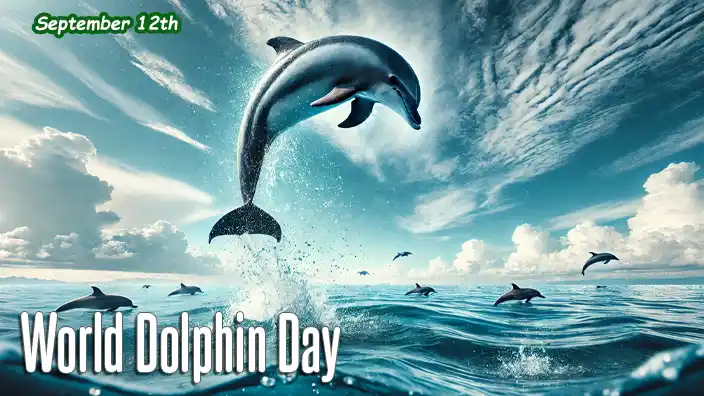
Celebrating the Ocean’s Cleverest Comedians
Every April, Dolphin Awareness Month gives us a reason to turn our attention toward one of the ocean’s most intelligent, playful, and downright fascinating creatures. Dolphins have long captured human imagination with their acrobatic leaps, friendly behavior, and what often looks suspiciously like permanent grins. But beneath those cheerful faces lies a highly advanced marine mammal deserving of both admiration and protection.
Dolphin Awareness Month is more than an excuse to appreciate adorable sea life. It serves as an important reminder that dolphins face serious environmental threats, including pollution, habitat loss, fishing net entanglement, and climate change. In short, it’s time to celebrate Flipper while also making sure future generations don’t only know dolphins from documentaries and aquarium gift shops.
What Is Dolphin Awareness Month?
Dolphin Awareness Month is an annual observance dedicated to promoting dolphin conservation, marine education, and public understanding of one of the world’s most intelligent marine mammals. Celebrated each April, this awareness campaign encourages individuals, schools, conservation organizations, and ocean lovers to learn more about dolphins while supporting efforts to protect their habitats.
The month focuses on raising awareness about the many threats dolphins face in the wild, including plastic pollution, ocean noise, commercial fishing practices, habitat destruction, and climate change. While dolphins are often admired for their playful personalities and acrobatic behavior, the reality is that many species are under increasing environmental pressure. Dolphin Awareness Month serves as a reminder that these beloved creatures need more than admiration—they need action.

Dolphins are members of the cetacean family, closely related to whales and porpoises, and can be found in oceans, coastal waters, and even freshwater rivers around the world. Species such as bottlenose dolphins, spinner dolphins, and endangered river dolphins each face unique challenges depending on their environments. By highlighting these issues, Dolphin Awareness Month helps draw attention to both global and local marine conservation efforts.
Educational campaigns during the month often include school programs, marine sanctuary events, fundraising initiatives, documentaries, and community clean-up projects aimed at preserving aquatic ecosystems. Social media also plays a major role, helping conservation groups spread awareness to larger audiences.
Ultimately, Dolphin Awareness Month is about celebrating the beauty, intelligence, and ecological importance of dolphins while inspiring people to take meaningful steps toward healthier oceans. Because while dolphins may look like they’re permanently smiling, keeping their world safe is serious business.
Why Dolphins Matter
Dolphins play an essential role in maintaining healthy marine ecosystems. As predators, they help regulate fish populations and contribute to the balance of ocean food chains. Their presence often signals a healthy aquatic environment.
More importantly, dolphins have become symbols of marine conservation. Because people are naturally drawn to these charismatic creatures, they often serve as ambassadors for broader ocean protection efforts.
Protecting dolphins means protecting:
- Ocean biodiversity
- Coastal habitats
- Marine food chains
- Future ecological stability
So yes, saving dolphins is important for the dolphins—but it’s also a win for the entire blue planet.
A Brief History of Dolphin Conservation
Dolphins have fascinated humans for thousands of years, appearing in ancient mythology, maritime folklore, and early art as symbols of protection, intelligence, and harmony with the sea. Ancient Greek sailors often considered dolphins good luck, and stories of dolphins assisting shipwrecked sailors have been passed down for generations. It turns out humanity has been impressed by dolphins for a very long time—and honestly, with good reason.
Modern dolphin conservation efforts began gaining momentum during the 20th century as industrialization, commercial fishing, and marine pollution increasingly threatened dolphin populations worldwide. By the mid-1900s, scientists and environmentalists started raising concerns about the dangers posed by tuna fishing nets, which accidentally killed large numbers of dolphins through bycatch. Public outrage over these practices eventually led to stronger regulations and the rise of “dolphin-safe” fishing initiatives.
The 1972 Marine Mammal Protection Act in the United States marked a major turning point, establishing federal protections for dolphins, whales, seals, and other marine mammals. This legislation helped reduce direct harm from hunting, harassment, and certain commercial activities. International agreements and organizations soon followed, expanding marine conservation efforts across the globe.
Throughout the 1980s and 1990s, growing awareness of captivity issues, habitat destruction, and ocean pollution further fueled dolphin advocacy. Conservation groups began focusing not only on protecting dolphins from hunting and fishing but also on preserving the health of entire marine ecosystems. After all, protecting dolphins without protecting their environment is a bit like fixing a roof while the foundation sinks.
Today, dolphin conservation includes scientific research, rescue and rehabilitation programs, sustainable fishing practices, habitat restoration, and public education campaigns such as Dolphin Awareness Month. While progress has been made, many dolphin species still face serious challenges, particularly endangered river dolphins and populations impacted by climate change and plastic pollution.
The history of dolphin conservation is ultimately a story of growing human responsibility—an evolving recognition that these intelligent marine mammals deserve not only our admiration but our active protection. Because keeping dolphins safe means preserving some of the ocean’s most extraordinary residents for generations to come.
How to Celebrate Dolphin Awareness Month
Participating in Dolphin Awareness Month can be both enjoyable and impactful. There are many ways to support dolphin conservation while having a little fun along the way.
Ways to get involved:
- Support reputable marine conservation organizations
- Reduce single-use plastics
- Participate in beach or waterway cleanups
- Learn about local dolphin species
- Watch educational documentaries
- Share conservation facts on social media
- Choose eco-friendly seafood options
If you happen to spot dolphins in the wild, admire them responsibly. Dolphins are social, but nobody enjoys a tourist with poor boundaries.
Fun Facts About Dolphins
Dolphins are full of surprises, and their abilities are nothing short of impressive.
- Dolphins use echolocation to navigate and hunt
- Some dolphins can recognize themselves in mirrors
- They have unique signature whistles, similar to names
- Dolphins can swim at speeds over 20 mph
- They sleep with one half of their brain at a time
- Certain species have been known to use tools
In other words, dolphins may actually have life figured out better than most of us.

The Importance of Marine Conservation
Marine conservation is essential not only for dolphins but for the overall health of the planet. Oceans cover more than 70 percent of Earth’s surface, regulate global climate, produce much of the oxygen we breathe, and support countless species. When marine ecosystems suffer, the effects ripple far beyond the water, impacting food supplies, weather patterns, coastal communities, and biodiversity worldwide.
For dolphins, healthy oceans mean access to clean habitats, stable food sources, and safe migration routes. Unfortunately, marine pollution, plastic waste, oil spills, overfishing, and rising ocean temperatures continue to threaten these environments. Dolphins often serve as indicator species, meaning their health reflects the overall condition of marine ecosystems. If dolphins are struggling, it’s usually a warning sign that larger environmental problems are at work.
Plastic pollution remains one of the most visible dangers. Millions of tons of plastic enter the oceans each year, harming marine life through ingestion, entanglement, and habitat degradation. Fishing gear, chemical runoff, and underwater noise pollution from shipping and industrial activity further complicate survival for dolphins and many other species.
Marine conservation efforts focus on protecting ocean habitats through measures such as:
- Reducing pollution
- Supporting sustainable fishing practices
- Establishing marine protected areas
- Restoring coral reefs and coastal ecosystems
- Promoting environmental education
- Addressing climate change impacts
These actions help preserve biodiversity while ensuring that future generations can continue to benefit from healthy oceans.
Conserving marine ecosystems also supports human economies. Fisheries, tourism, and coastal industries depend heavily on ocean health. In many ways, protecting the sea is both an environmental responsibility and a practical necessity.
Dolphin Awareness Month helps connect the dots between dolphin conservation and broader marine stewardship. Protecting dolphins means safeguarding the oceans they call home—and by extension, preserving one of Earth’s most vital life-support systems.
Because while dolphins may steal the spotlight with their charm, the real star of the show is the ocean itself.
Why Dolphin Awareness Month Still Matters
Dolphin Awareness Month is both a celebration and a call to action. It highlights the beauty, intelligence, and ecological importance of dolphins while emphasizing the need for responsible stewardship of marine environments.
By learning about dolphins and supporting ocean conservation, we help preserve one of nature’s most beloved species for future generations.
After all, dolphins have spent millions of years perfecting the art of intelligence, grace, and looking happy. The least we can do is return the favor.