April 27, 1932, in Detroit, Michigan
 June 15, 2014, in Gig Harbor, Washington
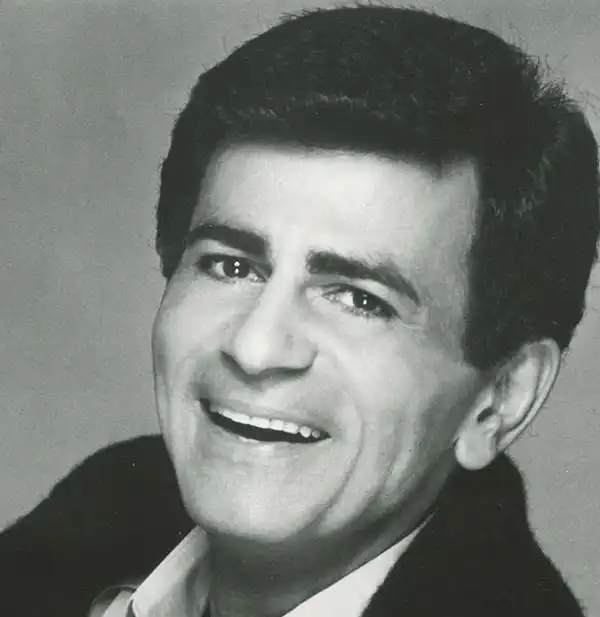
Born Kemal Amin Kasem, Casey Kasem grew up in a Lebanese-American family with a strong sense of identity and work ethic. From early on, he was drawn to broadcasting—a field that, at the time, was all about voice, timing, and connection. No shortcuts, no filters—just you and the listener.
He got his start in radio in the 1950s, working his way up through various stations, learning the craft the old-fashioned way: one show at a time. Along the way, he also served in the U.S. Army, where he worked as a DJ—because even then, someone had to keep the music playing.
But everything changed in 1970 when Kasem launched American Top 40.
Now, this wasn’t just a countdown show. This was an event.
Every week, Kasem guided listeners through the top songs in the country with a style that was warm, personal, and unmistakably his own. He didn’t just announce rankings—he told stories. He read letters. He created moments.
And of course, he gave us that iconic sign-off:
“Keep your feet on the ground… and keep reaching for the stars.”
You can almost hear it, can’t you?
Kasem’s ability to connect with listeners turned American Top 40 into a cultural staple. At its peak, it was heard by millions across the United States and around the world. In a time before streaming, before playlists, before skipping ahead with a tap of your thumb, Casey was the guide. If you wanted to know what mattered in music—you listened to him.
And just when you thought one career would be enough, Kasem added another.
He became a prolific voice actor, most famously as Shaggy in Scooby-Doo. That laid-back, slightly panicked voice? That was Casey. The man who calmly counted down the biggest hits in America was also running from cartoon ghosts with a sandwich in hand.
Talk about range.
Over the decades, Kasem continued hosting countdown shows, adapting to changing musical tastes while maintaining that same signature warmth. He wasn’t flashy, he wasn’t over-the-top—he was consistent. Reliable. The kind of voice you trusted to be there every week.
In many ways, he represented the very best of radio:
- Personal connection
- Storytelling
- A shared experience
No algorithms. No skipping. Just listening.
Casey Kasem passed away on June 15, 2014, but his influence still echoes every time someone curates a playlist, counts down a chart, or speaks into a microphone hoping someone out there is listening.
Because long before streaming took over, Casey Kasem proved something simple and powerful:
A great voice can make the whole world feel a little smaller—and a lot more connected.