Welcome to the Underwater Neighborhood.
Have you ever wondered what it would be like to fly... but underwater? Grab a mask, a snorkel, and a pair of fins, then discover a world where the fish completely ignore your personal space and every colorful coral seems to be showing off. World Snorkeling Day celebrates one of the easiest and most enjoyable ways to explore the ocean, whether you're floating over a tropical reef, spotting sea turtles, or simply trying to convince yourself that the shadow behind you is definitely not a shark. Fortunately, it's usually just another snorkeler wondering the same thing.
What Is World Snorkeling Day?
If you've ever wanted to peek into another world without needing a submarine or a marine biology degree, World Snorkeling Day is your invitation. Celebrated each year on July 30, the day encourages people of all ages to discover the beauty waiting just beneath the water's surface with nothing more complicated than a mask, snorkel, and a pair of fins.
Unlike scuba diving, snorkeling doesn't require tanks, extensive training, or remembering which valve does what. You simply float comfortably on the surface, breathe through your snorkel, and enjoy an underwater view that often feels like watching nature's most colorful television channel—except the fish don't stop swimming when the commercials begin.
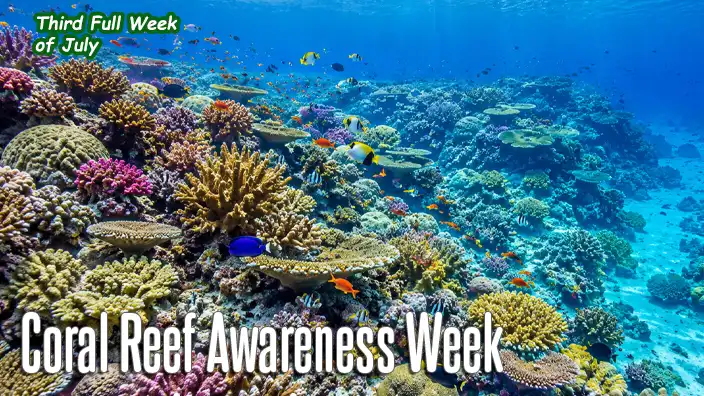
The celebration is about much more than taking holiday photos of tropical beaches. It encourages people to appreciate coral reefs, marine life, and the importance of protecting the oceans that countless species call home. Many snorkeling destinations also use the day to promote reef conservation, responsible tourism, and education about fragile marine ecosystems.
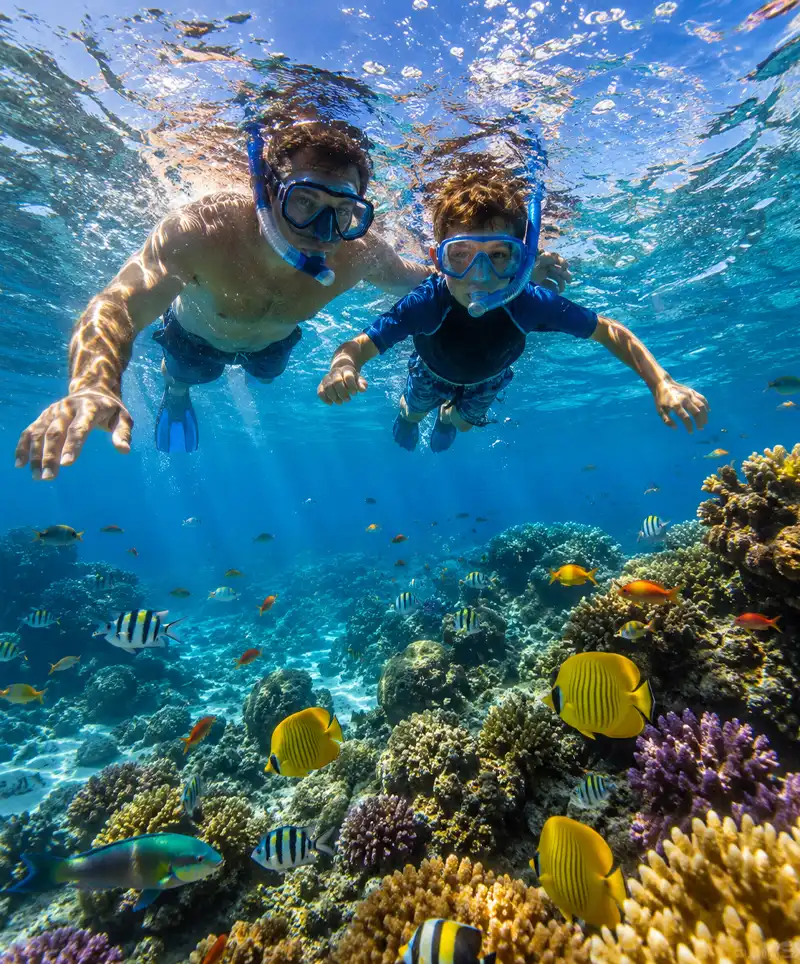
One of the best things about snorkeling is that almost anyone can enjoy it. Families, couples, solo travelers, and even first-time swimmers can experience the underwater world in calm, shallow waters. Of course, if you're the type who laughs every time a fish swims directly toward your mask, you'll quickly discover that curiosity works both ways.
World Snorkeling Day is also a reminder that adventure doesn't always mean climbing mountains or jumping out of airplanes. Sometimes the greatest discoveries happen while floating quietly above a coral reef, watching sea turtles glide past with absolutely no concern about your holiday schedule. It is difficult not to relax when everything around you seems to be moving at the speed of a Sunday afternoon.
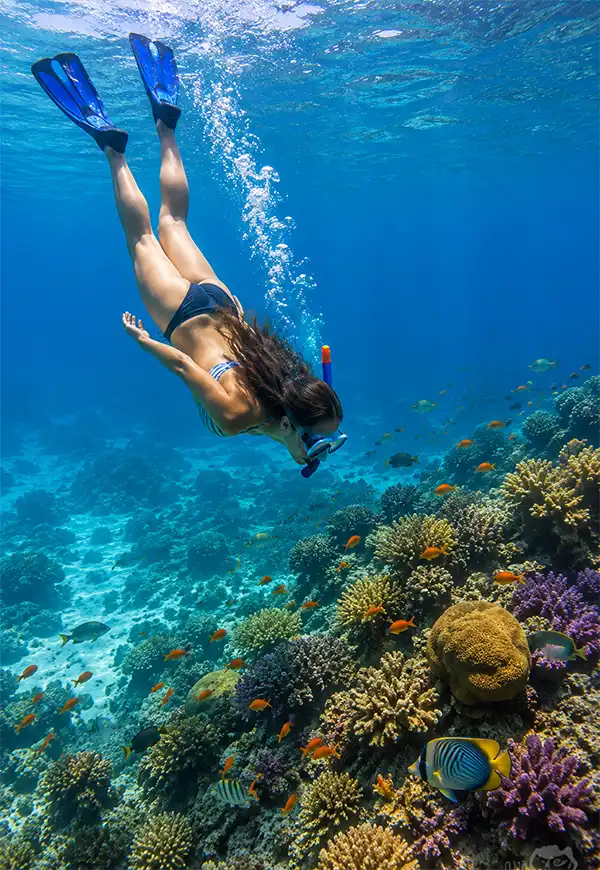
Whether you spend the day exploring a tropical lagoon, visiting a local snorkeling spot, or simply dreaming about your next beach vacation, World Snorkeling Day celebrates the simple joy of seeing our oceans from an entirely different point of view—preferably without discovering that your snorkel somehow became a very expensive straw.
The History of World Snorkeling Day
People have been trying to stay underwater longer for thousands of years. Long before anyone thought about beach resorts or underwater selfies, ancient sponge divers in places like Crete are believed to have used hollow reeds as simple breathing tubes while working in shallow waters. It wasn't glamorous, but it certainly beat holding your breath every few seconds.
Modern snorkeling began taking shape in the early twentieth century. In 1922, French inventor Jacques O'Marchal demonstrated one of the first practical combinations of a breathing tube and mask, helping to inspire the recreational activity we know today. A few years later, inventors such as Barney B. Garden and Joseph L. Belcher filed patents for improved breathing tubes, making snorkeling equipment more practical and widely available. Belcher submitted his patent application on July 30, 1932, a date that would later become closely associated with World Snorkeling Day.
The word "snorkel" itself didn't become common until around 1950, when sporting goods companies began promoting breathing tubes for swimmers. The name was borrowed from the German word Schnorchel, originally used to describe the air intake tube fitted to submarines. Thankfully, today's snorkelers are usually looking for colorful fish rather than enemy ships.
World Snorkeling Day is a relatively modern celebration. It first gained recognition in 2016, when July 30 was promoted as a day to celebrate snorkeling and encourage people to discover the beauty of the underwater world. Since then, the observance has steadily grown in popularity among travelers, marine conservation groups, dive shops, and ocean enthusiasts who see snorkeling as one of the easiest ways to connect with nature.
Today, millions of people enjoy snorkeling in tropical reefs, crystal-clear springs, sheltered bays, and coastal waters around the globe. Improvements in masks, fins, and snorkels have made the activity safer and more comfortable than ever before. Instead of complicated equipment and lengthy training, most beginners need only a few minutes of instruction before they are happily floating above an underwater world filled with colorful fish, graceful sea turtles, and coral reefs.
From ancient sponge divers using reeds to modern holidaymakers searching for the perfect tropical fish photograph, snorkeling has come a long way. World Snorkeling Day celebrates that remarkable journey—and reminds us that sometimes the greatest adventure begins by simply putting your face in the water and hoping the fish are having a good day too.
Why People Love Snorkeling
There is something magical about looking beneath the surface of the water and discovering an entirely different world. One moment you're floating peacefully in the sunshine, and the next you're watching colorful fish weave through coral gardens as if they have somewhere very important to be. Snorkeling offers a front-row seat to nature without requiring years of training or a suitcase full of expensive equipment.
One of the biggest reasons people love snorkeling is that almost anyone can enjoy it. Whether you're on a tropical vacation, visiting a quiet lake, or exploring a protected marine park, all you need is a properly fitted mask, a snorkel, and a pair of fins. There are no heavy air tanks to carry, complicated gauges to monitor, or instructors asking you to remember twenty different hand signals. If you can float comfortably and follow basic safety guidelines, you're already well on your way.
Snorkeling is also wonderfully relaxing. Instead of rushing from one attraction to the next, you simply drift with the gentle movement of the water while the underwater world goes about its day. Sea turtles glide by without a care in the world, schools of fish move together like synchronized swimmers, and coral reefs quietly support an astonishing variety of marine life. It's one of the few activities where slowing down is actually part of the experience.
Families especially appreciate snorkeling because it brings generations together. Parents, grandparents, and children can often explore the same shallow waters, creating memories that last far longer than the sunburn. Few things produce bigger smiles than spotting a brightly colored fish or watching a curious crab scuttle across the sea floor—although seeing Dad unexpectedly sneeze through his snorkel usually comes a close second.
Another reason snorkeling remains so popular is that every trip is different. Even if you return to the same beach year after year, the wildlife changes with the seasons, tides, and time of day. One visit might include playful dolphins in the distance, while the next reveals a graceful ray or a sea turtle calmly enjoying its afternoon. The ocean rarely gives the exact same performance twice.
Perhaps most importantly, snorkeling helps people develop a deeper appreciation for the oceans. Seeing healthy coral reefs and marine life up close often inspires visitors to protect these fragile environments. After all, it's much harder to ignore ocean conservation once you've looked a fish in the eye and silently agreed not to tell anyone which one of you seemed more surprised.
The Benefits of Snorkeling
Snorkeling isn't just an enjoyable way to spend a day at the beach—it also offers a surprising number of physical and mental health benefits. While you're busy admiring colorful fish and wondering how sea turtles manage to look so relaxed all the time, your body is getting a gentle workout that hardly feels like exercise.
Swimming and kicking with fins helps strengthen the legs, improve cardiovascular fitness, and increase endurance without putting excessive strain on the joints. Because the water supports much of your body weight, snorkeling is a low-impact activity that people of many ages and fitness levels can enjoy. It's one of the few forms of exercise where stopping to admire a passing fish is considered perfectly acceptable.
Breathing slowly and steadily through a snorkel naturally encourages controlled breathing, which many people find calming. Combined with the gentle movement of the water and the peaceful sounds beneath the surface, snorkeling can help reduce stress and leave you feeling refreshed. It's difficult to worry about tomorrow's meeting while you're watching a butterflyfish inspect a coral reef with complete confidence.
Snorkeling also builds confidence in the water. As beginners become more comfortable floating, breathing through a snorkel, and moving with fins, many develop stronger swimming skills and a greater appreciation for water safety. Like many worthwhile activities, it can seem a little awkward at first—but after a few minutes, most people wonder why they didn't try it sooner.
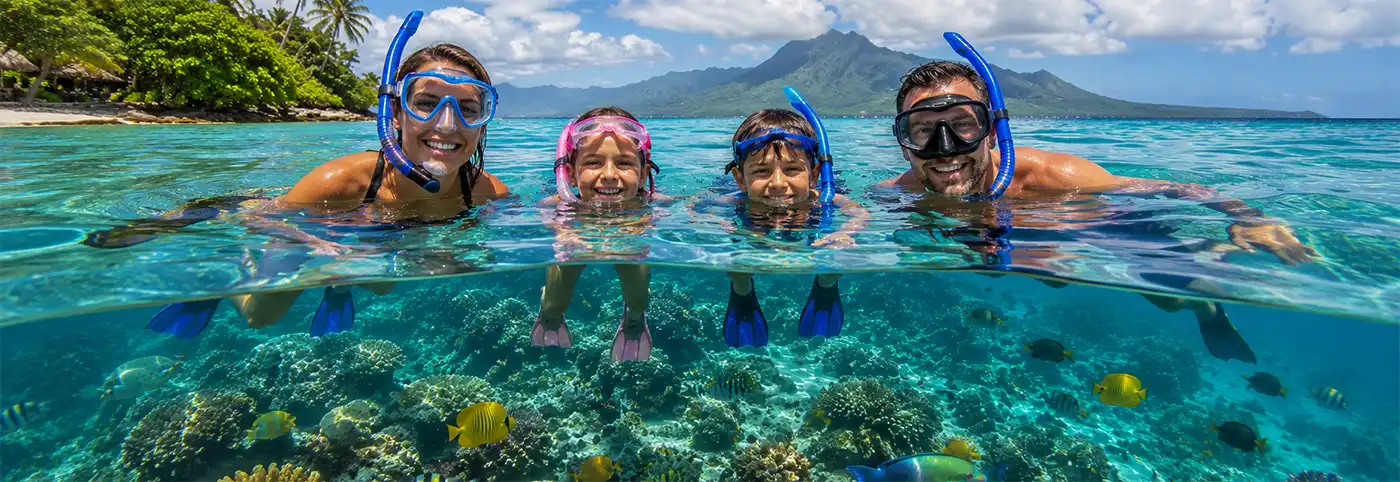
Perhaps the greatest benefit is the connection it creates with nature. Seeing coral reefs, marine plants, and ocean wildlife in their natural environment often inspires people to care more deeply about protecting our seas. Marine conservation becomes much more personal after you've watched a sea turtle glide effortlessly beneath you or observed a reef bustling with life.
Finally, snorkeling creates memories that last long after your vacation ends. While souvenirs eventually collect dust on a shelf, the memory of floating above crystal-clear water, surrounded by vibrant marine life, has a way of staying with you. Just remember to put sunscreen on the back of your legs first—or you'll have a very colorful memory for entirely different reasons.
Fun Facts About Snorkeling
Snorkeling may look like a simple holiday activity, but it has a fascinating history and plenty of surprising facts hiding beneath the surface. Here are a few that might make you appreciate your next underwater adventure even more.
- People have been snorkeling for thousands of years. Ancient sponge divers are believed to have used hollow reeds to breathe while searching shallow waters long before modern equipment existed. It wasn't exactly high-tech, but it was a clever solution.
- The word "snorkel" comes from Germany. It is derived from the German word Schnorchel, which originally referred to the breathing tube used by submarines. Fortunately, today's snorkelers are much more interested in tropical fish than naval battles.
- Coral reefs are incredibly important. Although coral reefs cover less than one percent of the ocean floor, they provide habitat for roughly 25 percent of all known marine species, making them some of the most diverse ecosystems on Earth.
- Sea turtles are frequent snorkeling companions. In many parts of the world, snorkelers regularly encounter sea turtles grazing on seagrass or gliding effortlessly above coral reefs. Remember to admire them from a respectful distance and let them continue their leisurely commute.
- You don't need to dive to see amazing wildlife. Many of the world's most beautiful reefs are found in shallow water, allowing snorkelers to enjoy spectacular marine life without ever swimming very deep.
- Modern masks are designed to improve your underwater vision. Water naturally blurs human eyesight, but a snorkel mask creates an air space in front of your eyes, allowing you to see clearly beneath the surface. Suddenly, that fish you've been chasing with your camera comes into perfect focus—just before it swims away.
- Snorkeling is enjoyed around the world. Popular destinations include Hawaii, the Caribbean, Australia's Great Barrier Reef, the Maldives, the Red Sea, and countless protected marine parks where crystal-clear water makes underwater exploration unforgettable.
- Fish are often just as curious as people. Many snorkelers report fish swimming close enough to inspect the strange visitor wearing oversized goggles and breathing through what appears to be a plastic elephant's trunk. From their point of view, you're probably the unusual-looking one.
How to Celebrate World Snorkeling Day
The best way to celebrate World Snorkeling Day is, naturally, to get into the water. Whether you're visiting a tropical island, a crystal-clear spring, or a sheltered beach close to home, snorkeling is a wonderful excuse to slow down and discover what lies beneath the surface.
If you're new to snorkeling, today is the perfect opportunity to learn. Many beaches, resorts, and dive shops offer beginner-friendly lessons where experienced guides can help you become comfortable with your mask, snorkel, and fins. Before long, you'll be floating along like you've been doing it for years—assuming you don't spend the first five minutes trying to breathe through your nose.
Choose a location known for clean water and healthy marine life. Calm conditions make snorkeling safer and far more enjoyable, especially for beginners. Protected bays, marine parks, and coral reefs often provide the clearest views and the greatest variety of underwater wildlife.
Remember that you're a visitor in a delicate environment. Avoid touching coral reefs, never chase or feed marine animals, and keep a respectful distance from sea turtles, rays, and other wildlife. Wearing reef-safe sunscreen is another simple way to help protect fragile coral ecosystems while you enjoy your adventure.
Bring an underwater camera if you have one, but don't spend the entire trip staring at a screen. Sometimes the best memories are the ones you experience firsthand instead of trying to capture every passing fish that refuses to pose for a photograph.
If you can't make it to the water, you can still celebrate by learning about ocean conservation, watching documentaries about coral reefs, planning a future snorkeling holiday, or supporting organizations that protect marine habitats around the world. Every small effort helps preserve these remarkable underwater ecosystems.
Finally, share your experience with friends and family. You might inspire someone else to discover the joy of snorkeling for the first time. Just be prepared for one universal snorkeling story that everyone seems to have: "I swallowed a little seawater... and then I swallowed a lot more." It's practically a rite of passage.
Snorkeling Etiquette: Leave Only Bubbles Behind
The ocean is one of the world's greatest natural wonders, and when you go snorkeling, you're stepping into someone else's home. The fish didn't invite you over for dinner, but they're usually polite enough to let you look around as long as you're a respectful guest.
The first rule is simple: look, but don't touch. Coral may look like colorful rock, but it is actually made up of tiny living animals. Even a light touch can damage or kill fragile coral that may have taken decades to grow. Besides, the reef has spent years decorating itself without asking for human fingerprints.
Give marine life plenty of space. Sea turtles, rays, octopuses, and fish all have routines of their own, and they don't need visitors chasing them for the perfect photograph. If an animal chooses to swim closer, enjoy the moment—but let it make that decision.
Avoid standing on the seabed whenever possible, especially near coral reefs or seagrass beds. Good buoyancy and gentle fin movements help protect these delicate habitats while keeping the water clear for everyone else. Stirring up sand may not bother you, but it does make the fish wonder who forgot how to swim gracefully.
Never feed marine animals. While it may seem harmless, feeding fish changes their natural behavior and can upset the balance of the ecosystem. Besides, once one fish tells the others there's free food available, you'll discover just how quickly an underwater neighborhood can become crowded.
Take everything you brought with you back to shore. Plastic bottles, food wrappers, and other litter have no place in the ocean. The only thing you should leave behind is a trail of tiny bubbles—and perhaps one or two surprised fish wondering what that strange-looking visitor was doing in their neighborhood.
Finally, remember that snorkeling isn't a race. Slow down, float quietly, and take time to appreciate the remarkable world beneath the surface. The ocean has been there for millions of years. It isn't going anywhere, and it doesn't mind waiting a few extra seconds while you figure out which way your fins are supposed to point.
Frequently Asked Questions About World Snorkeling Day
Whether you're preparing for your very first snorkeling adventure or you're simply curious about the celebration, a few common questions tend to float to the surface. Here are the answers to some of the things people ask most often about World Snorkeling Day, snorkeling equipment, safety, and enjoying the underwater world responsibly.
- When is World Snorkeling Day?
World Snorkeling Day is celebrated every year on July 30. It encourages people to explore the underwater world while promoting ocean conservation and responsible snorkeling practices. - Do I need to know how to swim to go snorkeling?
You should be comfortable in the water before snorkeling. Many beginners use flotation devices or snorkel in calm, shallow areas with experienced guides, but basic swimming ability greatly improves both safety and enjoyment. - What equipment do I need for snorkeling?
The basic equipment includes a snorkel mask, a snorkel, and a pair of fins. Some snorkelers also wear a flotation vest, rash guard, or wetsuit depending on water conditions. - Is snorkeling safe?
Snorkeling is generally very safe when you use properly fitting equipment, stay within your ability, snorkel with a companion, and pay attention to weather and water conditions. Always follow local safety advice and avoid strong currents. - What is the difference between snorkeling and scuba diving?
Snorkeling is done while floating on the surface and breathing through a snorkel tube. Scuba diving uses compressed air tanks that allow divers to remain underwater for extended periods and requires specialized training and certification. - Can children go snorkeling?
Yes. Many children enjoy snorkeling in calm, shallow water while wearing properly fitted equipment and under close adult supervision. Many family-friendly beaches and resorts offer guided snorkeling experiences designed for beginners. - Is it okay to touch coral or marine animals?
No. Coral reefs are living ecosystems that can be damaged by even a gentle touch, and marine animals should always be observed from a respectful distance. The best photographs are taken without disturbing the wildlife. - Why is reef-safe sunscreen recommended?
Some sunscreen ingredients can harm coral reefs and other marine life. Reef-safe sunscreen helps reduce the amount of harmful chemicals entering the ocean while still protecting your skin from the sun. - Where are some of the best places to snorkel?
Popular snorkeling destinations include Hawaii, Australia's Great Barrier Reef, the Caribbean, the Maldives, the Red Sea, and many protected marine parks around the world. Local beaches, springs, and lakes with clear water can also provide excellent snorkeling opportunities. - What is the best advice for first-time snorkelers?
Relax, take your time, and practice breathing through your snorkel before heading into deeper water. Stay with a companion, respect marine life, and remember that the fish are probably just as curious about you as you are about them.
One Last Plunge
World Snorkeling Day reminds us that some of the world's greatest adventures begin with something as simple as floating on the surface and looking down. Beneath the waves is a colorful world filled with coral reefs, graceful sea turtles, curious fish, and countless other marine creatures that most people never get to see up close.
One of the best things about snorkeling is that it doesn't require expensive equipment or years of training. A mask, a snorkel, a pair of fins, and a sense of adventure are often all it takes to experience an entirely different side of our planet. Along the way, you'll not only enjoy unforgettable sights but also gain a greater appreciation for the oceans and why they deserve our care and protection.
So whether you spend July 30 exploring a tropical reef, snorkeling in a clear spring, or simply planning your next seaside holiday, take a moment to celebrate the incredible underwater world that covers most of our planet. Respect the ocean, leave every reef exactly as you found it, and enjoy every minute beneath the surface.
And if a fish pauses to stare at you for a moment, don't take it personally. It's probably just wondering why humans insist on swimming around wearing giant goggles and breathing through a tube. From its point of view, you're the unusual one.