Keeping Nature From Overcooking
Wildfire Awareness Month arrives every May with all the subtlety of a fire truck siren at 3 a.m.—loud, urgent, and absolutely impossible to ignore. It’s a nationwide reminder that forests, grasslands, and even the occasional backyard barbecue pit have one thing in common: fire behaves beautifully when controlled and terribly when it is not. The goal of the month is simple—educate people, encourage prevention, and prepare communities before the dry season turns a careless spark into a very expensive bonfire. As temperatures rise and vegetation dries out across much of the United States, the risk of wildfires increases dramatically, making preparation and awareness critical for homeowners, campers, land managers, and frankly anyone who has ever held a match.
A Month Dedicated to Prevention
Wildfire Awareness Month focuses on one essential idea: most wildfires are preventable. While lightning does ignite some fires, a large portion of wildfires are started by human activity—unattended campfires, equipment sparks, discarded cigarettes, or debris burning that got a little too enthusiastic. The observance encourages communities to reduce wildfire risks through education, property maintenance, and emergency planning.
Fire agencies, environmental groups, and emergency management offices across the country use May to distribute resources, host preparedness events, and remind people to treat fire with the same respect they give electricity, gravity, and the family dog during dinner time. Public campaigns emphasize practical steps such as clearing brush, preparing evacuation plans, and staying informed about local fire danger conditions.
Wildfire Community Preparedness Day, often held in early May, also encourages neighborhoods to organize clean-up events, remove flammable debris, and learn how to respond quickly if a wildfire threatens their area.
Why Wildfires Are Becoming a Bigger Concern
Wildfires have always been a natural part of many ecosystems. In fact, certain forests rely on occasional fires to clear dead vegetation and encourage new growth. However, in recent decades the scale, frequency, and intensity of wildfires have increased across many regions. Scientists point to a combination of factors including climate trends, prolonged drought, warmer temperatures, and decades of fire suppression that allowed fuel—dead wood and dry vegetation—to accumulate.
Modern wildfire seasons can stretch from spring well into autumn, and in some places fires now occur year-round. Historically, most wildfires in the United States happened between May and November, with peak activity in late summer when conditions are hottest and driest.
The numbers alone explain why awareness campaigns matter. For example, the 2025 U.S. wildfire season recorded over 72,000 fires that burned more than five million acres nationwide.
Those figures represent not only scorched forests but also damaged homes, disrupted communities, and millions of dollars spent fighting fires that often began with a spark the size of a pencil tip.
The Science of a Wildfire
Wildfires thrive on three ingredients: heat, fuel, and oxygen. Remove any one of those and the fire fizzles out. Leave them together in a dry forest on a windy day and you have the recipe for a rapidly spreading inferno.
Fuel is the most important piece of the puzzle from a prevention standpoint. Dry grasses, fallen branches, pine needles, and dense underbrush act like nature’s version of kindling. When that material accumulates near homes or buildings, embers carried by wind can ignite structures surprisingly easily. In fact, flying embers are responsible for the majority of homes lost in wildfires.
Wind plays the role of the troublemaker in this equation. A small blaze that might otherwise remain manageable can quickly spread across miles of terrain when strong winds carry embers ahead of the fire front. That is why wildfire response teams often emphasize both fuel reduction and defensible space around structures.

Defensible Space: The Homeowner’s Secret Weapon
One of the most widely promoted wildfire safety strategies is creating what firefighters call defensible space around buildings. This simply means keeping a buffer between structures and flammable vegetation.
Typical recommendations include:
- Clearing dry leaves, brush, and wood piles away from buildings
- Trimming tree branches away from roofs and power lines
- Keeping gutters free of debris
- Maintaining at least 30 feet of cleared space around homes where possible
These steps may sound simple, but they dramatically reduce the chance that a stray ember will turn a quiet neighborhood into a disaster zone.
Home hardening is another concept gaining attention. Fire-resistant roofing, screened vents, and non-combustible siding can help prevent embers from entering vulnerable parts of a structure.
Preparedness: Because Fire Does Not RSVP
Wildfires have a habit of showing up unannounced. One moment, the sky is blue and calm; the next moment, the horizon looks like someone spilled barbecue sauce across the mountains.
That is why emergency planners recommend that every household in fire-prone regions develop an evacuation plan. Families should know escape routes, meeting locations, and where emergency supplies are stored. Authorities also advise maintaining a “go bag” containing essentials such as medications, documents, and basic supplies, so residents can leave quickly if evacuation orders are issued.
Equally important is staying informed. Local fire agencies provide alerts about fire danger ratings, weather conditions, and burn restrictions. Checking those updates before lighting a campfire or starting yard work can prevent a small mistake from becoming tomorrow’s headline.
Community Efforts Make the Biggest Difference
Wildfire prevention works best when neighbors cooperate. Clearing brush on one property helps, but entire neighborhoods benefit when everyone participates. Fire does not stop politely at property lines, and embers carried by wind certainly don’t pause to check whose yard they are landing in. When a whole community takes wildfire risk seriously—trimming vegetation, maintaining defensible space, and sharing preparedness information—the result is far more effective than any one homeowner working alone. In fact, coordinated community efforts often give firefighters a safer and more manageable environment in which to protect homes and contain fires before they spread further.
Community wildfire preparedness programs encourage:
- Neighborhood vegetation management
- Shared evacuation planning
- Public education campaigns
- Volunteer training and fire-safe landscaping
When communities adopt these practices together, firefighters have a far better chance of containing fires before they spread into residential areas.

Honoring the People Who Fight the Flames
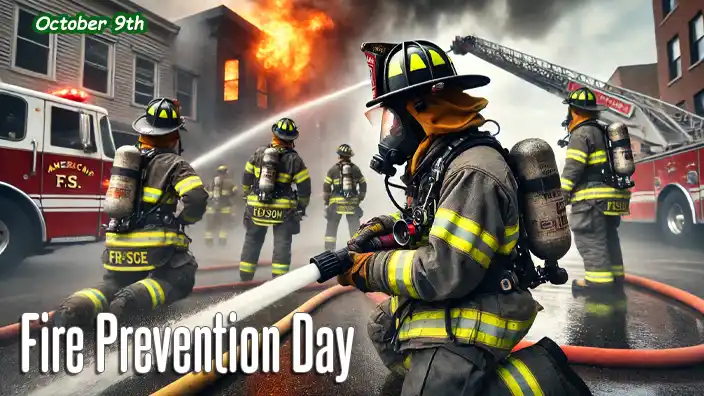
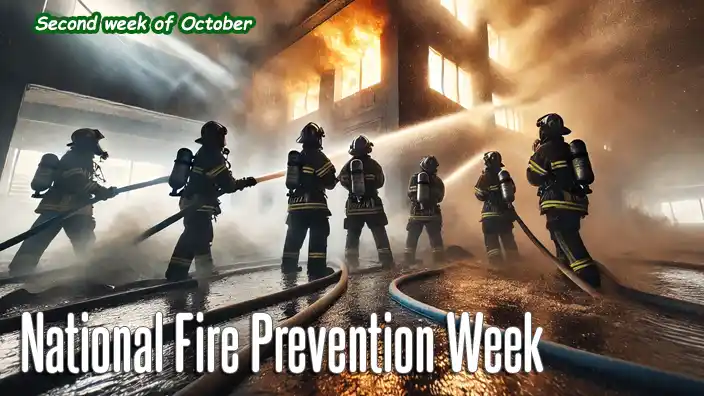
No discussion of wildfire awareness would be complete without acknowledging the firefighters who battle these blazes. Wildland firefighters work in some of the most demanding conditions imaginable—steep terrain, intense heat, and unpredictable winds.
Their efforts protect lives, homes, forests, and wildlife. Many awareness campaigns use May not only to encourage prevention but also to highlight the dedication of the crews who respond when prevention fails.
Observing Wildfire Awareness Month
Anyone can participate in Wildfire Awareness Month, and it doesn’t require a forest ranger badge. Practical ways to observe include:
- Clearing yard debris and trimming vegetation
- Reviewing emergency evacuation plans
- Learning local fire danger ratings and burn restrictions
- Supporting community preparedness events
- Sharing fire-safety information with neighbors and family
Even small actions can prevent catastrophic outcomes. After all, the vast majority of wildfires begin with something minor—a spark, a careless flame, or a forgotten campfire.
A Final Word from Common Sense
Wildfire Awareness Month reminds us of a simple truth: fire is one of humanity’s greatest tools and one of its most dangerous neighbors. It warms homes, cooks food, powers engines—and occasionally tries to burn down half a mountain range.
With a little preparation, a little caution, and perhaps a healthy respect for dry grass and windy afternoons, communities can reduce the risk dramatically. In other words, treat fire like a chainsaw: extremely useful, but not something you wave around casually on a hot summer day.