Talk to Me Goose
Top Gun Day is one of those unofficial celebrations that gives millions of people an excellent excuse to dust off a leather flight jacket, put on a pair of aviator sunglasses, quote lines from one of the most famous aviation films ever made, and insist that the "Danger Zone" belongs on every driving playlist. While it celebrates a Hollywood blockbuster, Top Gun Day also reminds us of the remarkable skill, discipline, and dedication of real naval aviators who inspired the movie in the first place.
What Is Top Gun Day?
Top Gun Day is an unofficial annual celebration held on May 13 to honor one of the most successful aviation films ever made, Top Gun. The day gives movie fans, aviation enthusiasts, military history buffs, and anyone who has ever dreamed of flying a fighter jet an excuse to celebrate the excitement of naval aviation and the lasting cultural impact of the blockbuster film.
Although Top Gun Day revolves around Hollywood entertainment, it also shines a spotlight on the real-world professionalism of military pilots, flight crews, aircraft maintainers, and instructors whose dedication inspired many of the scenes audiences have enjoyed for decades. The movie may have added plenty of Hollywood drama, but the skill required to operate high-performance fighter aircraft is very real.
For many people, Top Gun Day is about revisiting memorable moments from the film, enjoying the legendary soundtrack, and appreciating some of the finest aerial cinematography ever captured for the big screen. Others use the occasion to learn more about the actual TOPGUN training program, the history of naval aviation, or the remarkable aircraft that have served aboard aircraft carriers around the world.
The celebration has become even more popular since the release of Top Gun: Maverick, which introduced a new generation of moviegoers to the franchise while reminding longtime fans why they fell in love with the original nearly four decades earlier.
Of course, there are no official rules for celebrating Top Gun Day. Some people host movie marathons, others visit aviation museums or airshows, while many simply spend the day quoting favorite lines, wearing aviator sunglasses indoors, and wondering if they could survive a training flight without decorating the inside of the cockpit. For most of us, watching Maverick perform impossible aerial maneuvers from the comfort of the sofa is probably the wiser career choice.
Why Is Top Gun Day Celebrated on May 13?
Top Gun Day is celebrated on May 13 because that was the day Top Gun first soared into U.S. theaters in 1986. Few could have predicted that a movie about Navy fighter pilots would become one of the defining films of the decade, but audiences were captivated almost immediately. The combination of breathtaking aerial photography, memorable characters, a chart-topping soundtrack, and adrenaline-filled action transformed the film into an international phenomenon that continues to attract new fans nearly forty years later.
The timing of the celebration honors not only the movie's release but also the lasting influence it has had on popular culture. Top Gun introduced millions of people to the world of carrier-based naval aviation, making terms like "Maverick," "Goose," and "Danger Zone" instantly recognizable even to people who had never seen the inside of a cockpit. The film inspired countless posters, Halloween costumes, video games, documentaries, and even more than a few questionable attempts at wearing aviator sunglasses indoors.
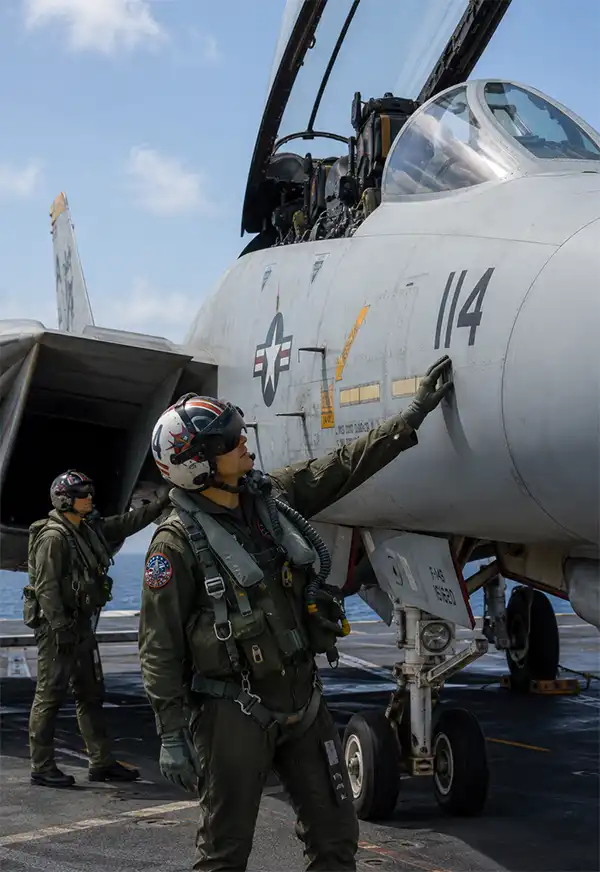
May 13 has also become a day to recognize the real military professionals behind the excitement. While the movie tells a fictional story, the pilots, instructors, flight crews, aircraft maintainers, and support personnel serving in naval aviation perform extraordinary work every day under demanding conditions. Top Gun Day offers an opportunity to appreciate their dedication, precision, and professionalism while enjoying a film that introduced many people to their world.
The date gained even greater significance with the release of Top Gun: Maverick in 2022. The long-awaited sequel reminded audiences why the original became such a classic while introducing younger viewers to the franchise. Rather than replacing the 1986 film, the sequel renewed interest in it, leading many fans to celebrate May 13 with a double feature and a fresh appreciation for both movies.
Perhaps the greatest reason May 13 remains special is that Top Gun has never really faded from public memory. Unlike many blockbuster films that shine brightly before disappearing into nostalgia, Top Gun continues to entertain generation after generation. Every May 13, fans revisit the film that convinced millions they, too, could become elite fighter pilots—right up until they remembered they get airsick on the local carnival ride.
The Real TOPGUN School
One of the most interesting facts about Top Gun is that its inspiration is not fictional. The United States Navy Fighter Weapons School, universally known as TOPGUN, is a genuine military institution created to train some of the world's most capable fighter pilots. While Hollywood added romance, rivalries, and dramatic dialogue, the school's true purpose has always been improving combat effectiveness and ensuring pilots return safely from their missions.
TOPGUN was established on March 3, 1969, at Naval Air Station Miramar in California. Its creation followed an extensive review of air combat during the Vietnam War, where U.S. Navy leaders discovered that advanced missiles had not eliminated the need for traditional dogfighting skills. Fighter crews needed more specialized instruction in aerial tactics, weapons employment, and decision-making under extreme pressure.
The solution was a school staffed by the Navy's most experienced instructors. These experts developed rigorous training programs that challenged already accomplished pilots to sharpen every aspect of their flying. Students learned advanced air combat maneuvering, threat recognition, mission planning, formation tactics, and how to make split-second decisions while operating aircraft traveling at hundreds of miles per hour.
Graduating from TOPGUN is not a matter of simply flying fast or performing spectacular maneuvers. Students are expected to master complex tactical scenarios, understand enemy aircraft capabilities, analyze previous engagements, and continuously improve through detailed mission debriefings. Instructors often say that some of the most valuable learning takes place after the aircraft have landed, when every decision is carefully reviewed and discussed.
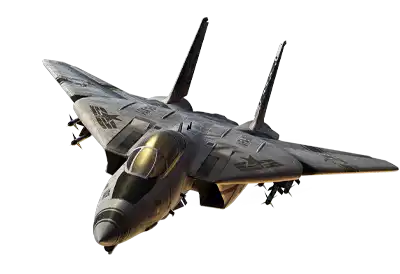
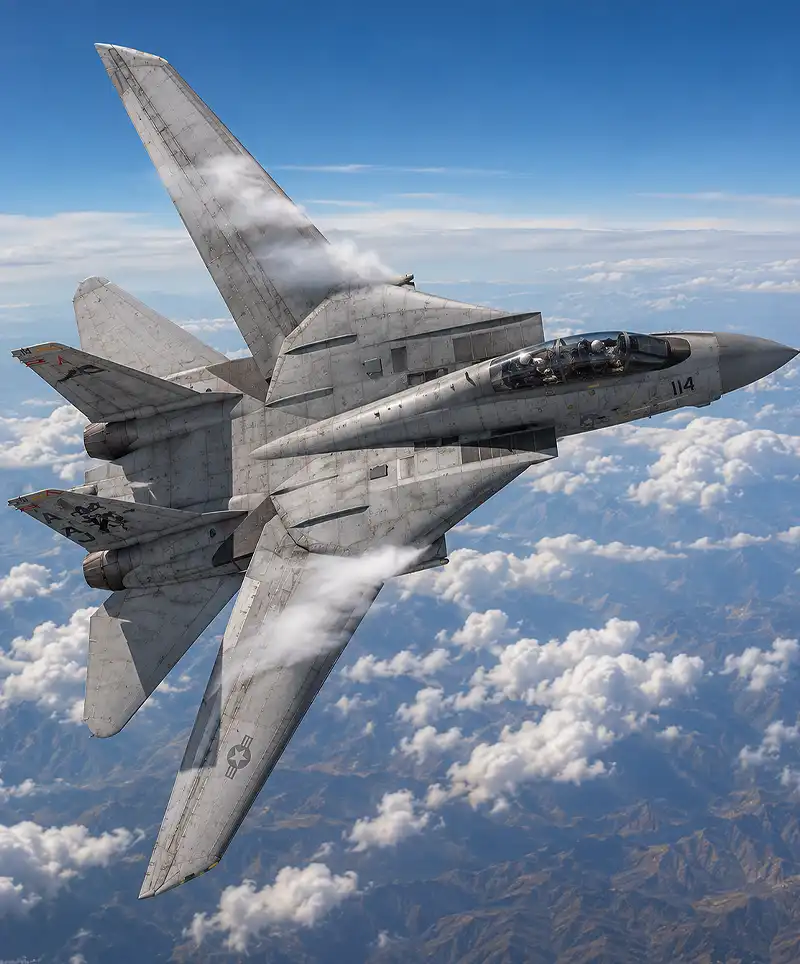
In 1996, TOPGUN relocated from Naval Air Station Miramar in California to Naval Air Station Fallon in Nevada following military base realignments. Today it operates as part of the Naval Aviation Warfighting Development Center (NAWDC), where it continues to train Navy fighter crews using modern aircraft such as the F/A-18E/F Super Hornet and advanced tactical systems. Although the famous F-14 Tomcat retired from U.S. Navy service in 2006, its legacy remains closely associated with both the school and the original film.
Modern TOPGUN training extends well beyond individual flying skills. Pilots work alongside intelligence specialists, electronic warfare experts, air battle managers, and other military professionals to prepare for complex, real-world operations. The emphasis is on teamwork, communication, leadership, and adapting to rapidly changing situations—qualities that are just as important as stick-and-rudder ability.
The school has earned an international reputation for excellence, and its graduates often return later in their careers as instructors, passing on hard-earned knowledge to the next generation of naval aviators. This continuous cycle of learning and teaching has helped maintain TOPGUN's status as one of the world's premier fighter pilot training programs.
The Hollywood version certainly made the school famous, but the real TOPGUN has spent decades quietly doing something far more important than making blockbuster movies. It has trained exceptional aviators whose skills contribute directly to national defense. That said, if you show up at the front gate wearing a leather flight jacket, humming "Danger Zone," and asking where Maverick parked his motorcycle, the security personnel will probably remain impressively unimpressed.
How Accurate Is the Movie?
The short answer is yes... and no.
The original Top Gun and its sequel, Top Gun: Maverick, deserve praise for showcasing real military aviation in ways few films ever have. However, they are still Hollywood productions designed to entertain first and educate second. The result is a fascinating blend of authentic flying, genuine military cooperation, and cinematic storytelling that occasionally asks audiences to suspend reality—preferably while traveling at Mach 2.
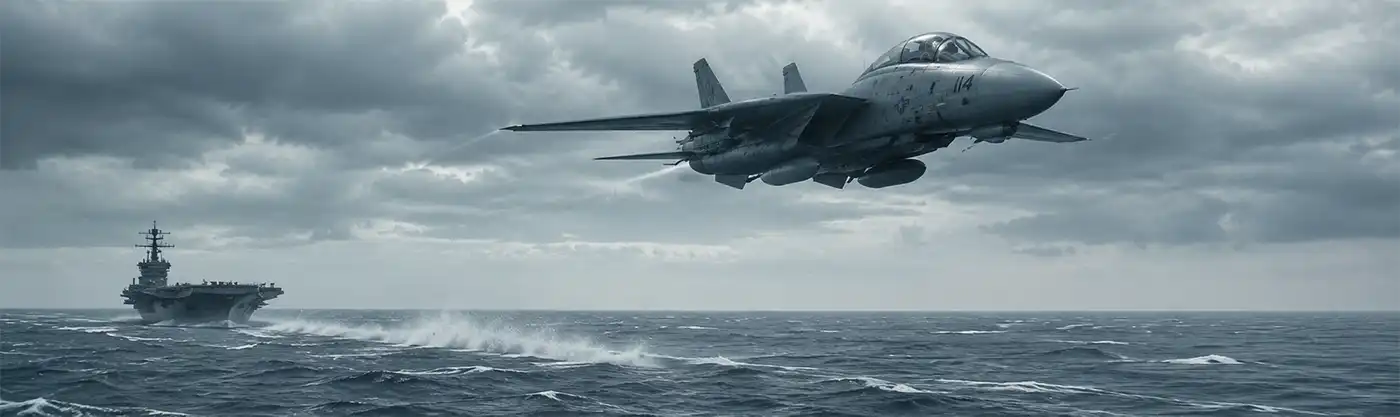
One area where both films excel is the flying itself. The U.S. Navy worked closely with the filmmakers, allowing them access to aircraft, aircraft carriers, and experienced naval aviators. Many of the aerial sequences feature real Navy jets performing actual maneuvers rather than relying entirely on computer-generated effects. The spectacular footage of F-14 Tomcats in the original film and F/A-18 Super Hornets in Top Gun: Maverick gives the movies a level of realism that still impresses aviation enthusiasts.
Tom Cruise was particularly determined that the sequel should feel authentic. Rather than placing actors in front of green screens, he insisted they fly in real military aircraft whenever possible. Although Cruise was not permitted to pilot Navy fighter jets, he and the rest of the cast underwent months of demanding flight training. They learned how to withstand high G-forces, operate cockpit cameras, communicate under pressure, and perform convincingly while experiencing the physical effects of aggressive aerial maneuvers. Much of the footage showing actors inside the cockpits was filmed while they were actually airborne, enduring the same rapid climbs, dives, and tight turns that real naval aviators experience.
The attention to realism extended beyond the flying. Naval personnel advised on procedures, terminology, and cockpit operations, helping the actors portray military professionals more convincingly. The result is a film that often feels remarkably authentic, even when the storyline becomes larger than life.
Where Hollywood takes over is in the day-to-day life of TOPGUN students. The school is an intensely professional environment focused on tactics, discipline, teamwork, and continuous learning. In reality, students are not racing motorcycles alongside fighter jets, engaging in dramatic personal rivalries, or settling disagreements with impromptu beach sports tournaments. Training days are filled with classroom instruction, mission planning, simulator sessions, flights, and detailed debriefings that can last for hours.
The combat sequences also compress time and simplify military operations for dramatic effect. Real air combat involves extensive support from airborne warning aircraft, intelligence teams, electronic warfare specialists, tanker aircraft, and mission commanders coordinating every stage of the operation. While the movies include some of these elements, they naturally focus on the pilots to keep the story exciting and easy for audiences to follow.
Even so, aviation professionals have generally praised both films for capturing something that is difficult to measure: the mindset of elite military aviators. The emphasis on preparation, trust between wingmen, quick decision-making, and absolute confidence reflects qualities that are genuinely valued in naval aviation.
So, how accurate is Top Gun? The airplanes are real. Much of the flying is real. The military professionalism is rooted in reality. The story, rivalries, and dramatic heroics are unmistakably Hollywood. In other words, if you leave the movie believing you could fly a fighter jet after buying a leather jacket and a pair of aviator sunglasses, the Navy may gently suggest a few more years of training first.
The Movie That Filled Recruiting Offices
When Top Gun landed in theaters in 1986, it did far more than dominate the box office—it sparked a wave of enthusiasm for military aviation unlike anything Hollywood had seen before. Audiences left cinemas wanting to learn more about the U.S. Navy, fighter aircraft, and the men and women who flew them. For many young people, the film transformed naval aviation from something they occasionally saw on the evening news into an exciting and attainable career.
The Navy was quick to recognize the film's popularity. Recruiting offices across the United States reported increased interest from young men and women asking about careers in aviation and military service. Some recruiters even set up information tables outside movie theaters showing Top Gun, allowing excited moviegoers to ask questions immediately after the credits rolled. It proved to be one of the most effective pieces of unofficial recruiting publicity ever created.
While it's difficult to determine exactly how many enlistments resulted directly from the movie, the effect was undeniable. Navy recruiters consistently reported a noticeable increase in inquiries, and the film became closely associated with a surge in public interest in becoming a naval aviator. The phenomenon became known simply as the "Top Gun Effect," a phrase still used today whenever a popular film inspires people to pursue a particular profession.
The impact extended well beyond military recruiting. Flight schools experienced increased interest from people hoping to earn private pilot licenses. Aviation museums welcomed larger crowds, model aircraft sales increased, and countless young people developed a lifelong fascination with military aircraft, aerospace engineering, and aviation history. For some, Top Gun was simply an entertaining movie. For others, it was the beginning of an entirely new career path.
More than three decades later, history repeated itself. The release of Top Gun: Maverick in 2022 introduced a new generation to naval aviation. Once again, military recruiters reported increased curiosity about aviation careers, and aviation organizations saw renewed public interest. Although modern recruiting relies heavily on digital media and social platforms rather than posters in shopping malls, the excitement generated by the sequel demonstrated that the appeal of high-performance aircraft and elite pilots remains as strong as ever.
Of course, Navy recruiters have always been careful to remind prospective applicants that real military service bears little resemblance to a two-hour action movie. Becoming a naval aviator requires years of education, physical fitness, rigorous training, and extraordinary dedication. The path is demanding, highly competitive, and requires far more than a confident smile and a cool nickname.
Even so, there is no denying the remarkable legacy of Top Gun. Very few films have inspired so many people to explore careers in aviation or military service. Whether viewers ultimately became fighter pilots, commercial airline captains, aerospace engineers, air traffic controllers, aircraft mechanics, or simply lifelong aviation enthusiasts, the movie helped ignite a passion for flight that continues to soar nearly forty years after its original release.
And if a few recruits arrived at the recruiting office expecting volleyball games on the beach every afternoon, they probably discovered fairly quickly that the Navy had a slightly different training schedule in mind.
Ways to Celebrate Top Gun Day
You don't need to own a fighter jet—or have permission to buzz the tower—to enjoy Top Gun Day. Whether you're a lifelong aviation enthusiast or simply love a great action movie, there are plenty of enjoyable ways to celebrate this high-flying occasion.
The obvious place to begin is with a Top Gun movie marathon. Watch the original 1986 classic, follow it with Top Gun: Maverick, and see how the technology, aircraft, and storytelling evolved over nearly four decades. Better yet, invite a few friends over and see who can quote the most lines without getting the order wrong.
If you'd rather experience aviation up close, spend the day visiting an aviation museum. Museums featuring military aircraft allow visitors to appreciate the incredible engineering behind the legendary F-14 Tomcat, the F/A-18 Hornet and Super Hornet, and many other aircraft that have served around the world. Standing beneath one of these machines quickly reminds you that they are considerably larger—and louder—than they appear on television.
Many communities also host air shows throughout the year. Watching military demonstration teams perform precision flying is about as close as most of us will ever come to experiencing fighter aviation without signing several hundred pages of enlistment paperwork.
For something a little more hands-on, try a flight simulator. Modern simulators, whether at an aviation center or on a home computer, offer a surprisingly realistic taste of flying. Just don't be discouraged if your first carrier landing resembles an expensive meeting between an aircraft and the ocean.
Music lovers can celebrate by turning up the unforgettable Top Gun soundtrack. Kenny Loggins' Danger Zone remains one of the most recognizable movie songs ever recorded, while Berlin's Take My Breath Away became one of the defining ballads of the 1980s. Just be aware that listening to Danger Zone may increase your confidence while driving to the grocery store. Please resist the urge to request takeoff clearance at the traffic lights.
If you've always been fascinated by aviation, Top Gun Day is also an excellent excuse to learn something new. Read about the history of the TOPGUN school, explore how aircraft carriers operate, or discover how modern fighter pilots train for missions. The real world of naval aviation is every bit as impressive as the Hollywood version—just with considerably more studying and far fewer slow-motion entrances.
Finally, if you happen to own a leather flight jacket and a pair of mirrored aviator sunglasses, today is probably the one day of the year you can wear them together without anyone asking awkward questions. Just remember that calling your spouse "Goose" at the dinner table may not produce the reaction you're hoping for.
Interesting Facts About Top Gun Day
Before we leave the runway, there are a few surprising facts worth checking in the cockpit. From real naval aviation and record-breaking movie success to unusual filming methods, unforgettable music, and the aircraft that became stars in their own right, Top Gun has accumulated nearly as many fascinating stories as Maverick has accumulated warnings from superior officers. Here are some interesting facts about Top Gun, the real TOPGUN school, and the high-flying celebration they inspired.
- Top Gun premiered on May 13, 1986.
- The original film became the highest-grossing movie of 1986.
- The U.S. Navy's TOPGUN school was founded in 1969.
- The original movie prominently featured the Grumman F-14 Tomcat.
- Top Gun: Maverick became one of the highest-grossing films of 2022.
- Many of the aerial scenes in both films used real military aircraft rather than computer-generated imagery.
- Tom Cruise insisted on experiencing real flight conditions while preparing for the sequel.
- The phrase "I feel the need... the need for speed!" became one of cinema's most recognizable movie quotes.
Why Top Gun Day Still Matters
Top Gun Day celebrates far more than an action movie. It highlights aviation history, honors the remarkable skill of military aviators, and reminds us how a single film inspired generations to become interested in flying, engineering, military service, and aerospace technology.
Whether you watch the movie for the spectacular dogfights, the unforgettable soundtrack, or simply because you enjoy cheering for Maverick one more time, Top Gun Day is a fun opportunity to appreciate one of Hollywood's greatest aviation adventures.
Just remember one important rule: if you suddenly feel compelled to challenge your neighbor to a flyby over the mailbox, perhaps settle for another bowl of popcorn instead.
Frequently Asked Questions About Top Gun Day
Top Gun Day celebrates one of the most famous aviation movies ever made, but the day also raises plenty of questions about the real TOPGUN school, the aircraft, the filming, and the connection between Hollywood and the U.S. Navy. Here are answers to some of the most frequently asked questions about Top Gun Day.
When Is Top Gun Day?
Top Gun Day is celebrated every year on May 13. The date is associated with the theatrical release period of the original Top Gun movie in 1986 and has become the recognized day for fans to celebrate the film, naval aviation, and everything connected with the Top Gun legacy.
Is Top Gun Day an Official Holiday?
No. Top Gun Day is an unofficial cultural celebration rather than a government-recognized holiday. It was created by fans and has grown through movie marathons, aviation events, social media, and continued enthusiasm for both Top Gun films.
What Is the Real TOPGUN School?
The real TOPGUN school is the United States Navy Fighter Weapons School. It was established in 1969 to improve air combat training, tactics, and fighter crew performance. Today, TOPGUN operates as part of the Naval Aviation Warfighting Development Center at Naval Air Station Fallon in Nevada.
Was Top Gun Filmed With Real Fighter Jets?
Yes. Both Top Gun and Top Gun: Maverick used real military aircraft and worked closely with the U.S. Navy. The original film featured the F-14 Tomcat, while the sequel prominently used F/A-18 Super Hornets. Some scenes were enhanced for storytelling, but much of the flying footage involved real aircraft performing actual maneuvers.
Did Tom Cruise Really Fly the Fighter Jets?
Tom Cruise is a licensed pilot, but he did not personally fly the Navy’s F/A-18 Super Hornets in Top Gun: Maverick. Navy pilots flew the aircraft while Cruise and the other actors rode in the back seats. The actors experienced real high-speed flight, G-forces, and aerial maneuvers while filming their cockpit scenes.
How Accurate Is Top Gun?
The aircraft, many flight sequences, military terminology, and certain training details are grounded in reality. However, the rivalry, romance, combat scenarios, and some operating procedures were dramatized for entertainment. The movies capture the excitement and teamwork of naval aviation, but they are not documentaries.
Did Top Gun Increase Navy Recruitment?
The original movie is widely credited with increasing public interest in the U.S. Navy and naval aviation. Recruiting offices reported more inquiries after the film’s release, and some recruiters reportedly set up information tables near theaters. The exact number of recruits directly inspired by the movie is difficult to confirm, but the “Top Gun Effect” became a well-known cultural phenomenon.
What Aircraft Appeared in the Original Top Gun?
The most famous aircraft in the original movie was the Grumman F-14 Tomcat, flown by Maverick, Goose, Iceman, and the other naval aviators. The fictional enemy MiG-28 aircraft were actually Northrop F-5 jets painted dark to distinguish them from the American fighters.
What Aircraft Appeared in Top Gun: Maverick?
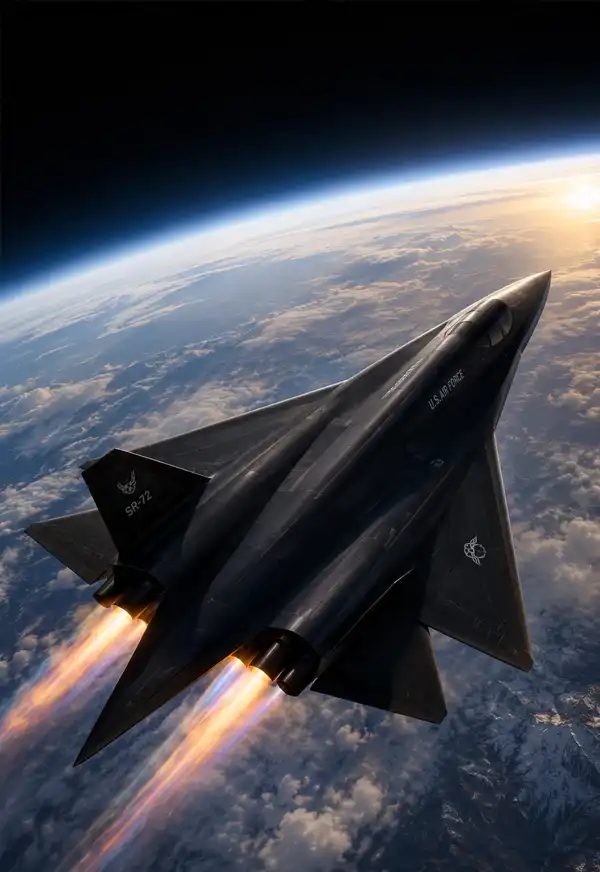
The sequel primarily featured the Boeing F/A-18E/F Super Hornet. It also included the F-14 Tomcat, the P-51 Mustang, and a fictional advanced enemy fighter. The hypersonic Darkstar aircraft seen early in the film was a specially designed movie prop inspired by advanced aerospace technology.
Why Was the F-14 Tomcat Not Used More in the Sequel?
The U.S. Navy retired the F-14 Tomcat from active service in 2006, so operational American Tomcats were no longer available during filming. The aircraft nevertheless returned for an important sequence in Top Gun: Maverick, giving longtime fans a memorable link to the original movie.
How Can You Celebrate Top Gun Day?
Popular ways to celebrate include watching both movies, visiting an aviation museum, attending an air show, listening to the soundtracks, trying a flight simulator, learning about naval aviation, or wearing aviator sunglasses and a flight jacket. Attempting to buzz an actual control tower is strongly discouraged.
Do You Need to Be an Aviation Expert to Enjoy Top Gun Day?
Not at all. Top Gun Day is for movie fans, music lovers, military history enthusiasts, pilots, aircraft admirers, and anyone who enjoys a good action film. Detailed knowledge of fighter aircraft is entirely optional, although loudly saying “Talk to me, Goose” at random moments appears to be traditional.
One More Buzz of the Tower
Few movies have soared into popular culture quite like Top Gun. What began as an action film about elite fighter pilots became a worldwide phenomenon that inspired generations of aviation enthusiasts, filled recruiting offices, launched unforgettable catchphrases, and reminded audiences that courage, teamwork, and determination never go out of style. Nearly forty years after Maverick first climbed into the cockpit, the roar of jet engines and the thrill of high-speed flight continue to capture our imaginations.
Whether you celebrate Top Gun Day by watching the movies, visiting an aviation museum, listening to the soundtrack, or simply admiring the remarkable men and women who serve in naval aviation, take a moment to appreciate the real professionals whose skill and dedication inspired the story. Hollywood gave us the excitement, but the real TOPGUN instructors and naval aviators continue to write their own remarkable stories every day.
Now straighten your aviators, zip up that flight jacket, and, just this once, feel free to hum Danger Zone while walking through the parking lot. Just remember: if the neighborhood watch reports an unidentified object making low passes over the barbecue, denying everything is probably your safest course of action.