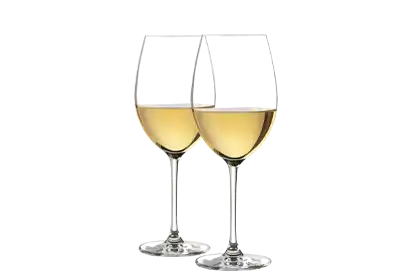

Raise a Glass to Crisp, Refreshing Flavor
Picture this: you've just uncorked a chilled bottle of white wine, poured it into a sparkling glass, and before you've even taken the first sip, someone is already asking, "Is that Chardonnay?" Whether they're right or wildly optimistic, National White Wine Day is the perfect excuse to appreciate one of the world's most popular and refreshing beverages.
From elegant dinners to backyard barbecues, white wine has earned its place on tables around the globe. With hundreds of grape varieties producing everything from crisp and dry to sweet and fruity flavors, there's a white wine for nearly every palate and every occasion.
What Is National White Wine Day?
National White Wine Day is celebrated every year on August 4, giving wine lovers the perfect excuse to chill a bottle, gather a few friends, and pretend they're discussing the wine's "subtle notes of citrus and minerality" when what they really mean is, "This tastes pretty good!"
The holiday shines a spotlight on the incredible variety found in white wines. Whether your preference is a crisp Sauvignon Blanc, a buttery Chardonnay, a refreshing Pinot Grigio, a floral Riesling, or a sweet Moscato, there's something to suit nearly every taste. Unlike some food and drink celebrations that focus on one very specific item, National White Wine Day embraces the entire family of white wines, making it an ideal opportunity to sample something new.
No one seems to know exactly who created National White Wine Day or when it first appeared on the calendar, but that's hardly unusual. Many unofficial holidays simply evolve because enough people agree they're worth celebrating. And let's be honest, convincing people to celebrate a refreshing glass of chilled white wine probably wasn't the hardest marketing campaign ever launched.
The day also serves as a reminder that white wine isn't reserved for fancy restaurants or elegant dinner parties. It can be enjoyed during a summer picnic, alongside grilled seafood, while relaxing on the patio after mowing the lawn, or while trying to convince your neighbor that you really did almost catch that fish. White wine has a remarkable ability to fit just about any occasion without making a fuss.
Of course, National White Wine Day isn't about seeing how quickly you can empty the bottle. It's about appreciating centuries of winemaking, discovering new grape varieties, supporting wineries, and enjoying good conversation with family and friends. If the evening ends with everyone debating whether they're tasting apple, pear, peach, or "something that reminds me of my aunt's garden," then the holiday has probably been celebrated exactly as intended.

A Brief History of White Wine
White wine has been delighting people for thousands of years, making it one of humanity's oldest beverages. Long before refrigerators, corkscrews, and people confidently swirling a glass while announcing, "I'm getting hints of gooseberry," ancient civilizations had already discovered that fermented grape juice was something worth making again and again.
Archaeological evidence suggests that winemaking began more than 8,000 years ago in the South Caucasus, particularly in what is now the country of Georgia. Early winemakers stored fermented grape juice in large clay vessels buried underground, where the wine could mature naturally. From there, the knowledge of viticulture spread through Mesopotamia, Egypt, Greece, and eventually the Roman Empire, each civilization refining the art of growing grapes and producing wine.
The ancient Egyptians included wine in religious ceremonies and even buried bottles in tombs for the afterlife. The Greeks celebrated wine as an important part of everyday life, trade, and culture, while the Romans dramatically expanded vineyards throughout Europe. As Roman influence spread, so did grape cultivation, laying the foundation for many of today's famous wine-producing regions.
During the Middle Ages, monasteries played a vital role in preserving winemaking traditions. Monks carefully tended vineyards, experimented with different grape varieties, and kept detailed records of growing conditions and harvests. Their dedication helped improve wine quality and established many of the vineyard regions that remain famous today, particularly in France and Germany.
As European explorers traveled the world, they carried grapevines and winemaking techniques with them. Vineyards soon appeared in North and South America, Australia, South Africa, and New Zealand. Each region developed its own distinctive wines based on local climates, soils, and grape varieties. Today, exceptional white wines are produced on every inhabited continent where grapes can thrive.
Unlike red wine, which ferments with the grape skins, white wine is usually made by separating the juice from the skins shortly after crushing. This creates lighter colors, brighter flavors, and the refreshing character that has made white wine a favorite for centuries. Interestingly, some white wines are even made from red grapes, provided the skins are removed before they have a chance to color the juice. It's one of wine's little surprises—and proof that grapes, much like people, shouldn't always be judged by their appearance.
Modern technology has transformed winemaking, allowing vintners to carefully control temperatures, preserve delicate aromas, and consistently produce high-quality wines. Stainless steel tanks, improved vineyard management, and scientific research have helped create the enormous variety of white wines available today. Whether you prefer a crisp Sauvignon Blanc from New Zealand, a rich Chardonnay from California, a floral Riesling from Germany, or a refreshing Pinot Grigio from Italy, you're enjoying the result of thousands of years of innovation.
Perhaps the most remarkable thing about white wine is how little its purpose has changed. For thousands of years, people have gathered around a table, poured a glass, shared a meal, and enjoyed good conversation. The bottles may be fancier today, and someone may insist on discussing "mouthfeel," but the simple pleasure of sharing white wine with family and friends remains just as timeless as it was in the vineyards of the ancient world.
How Is White Wine Made?
At first glance, making white wine sounds wonderfully simple. You squeeze some grapes, wait patiently, pour the result into a glass, and voilà! If only it were that easy. In reality, winemaking is a careful balance of science, tradition, craftsmanship, and just enough patience to avoid checking every five minutes to see if it's finished.
Everything begins in the vineyard. Winemakers carefully monitor their grapevines throughout the growing season, watching weather conditions, sugar levels, acidity, and overall fruit quality. Harvest usually takes place in late summer or early autumn, depending on the grape variety and local climate. Picking the grapes at exactly the right moment is crucial because harvesting too early can produce overly tart wines, while waiting too long can result in wines that are sweeter and higher in alcohol.
Once the grapes arrive at the winery, they're sorted to remove leaves, stems, and any damaged fruit. The grapes are then gently crushed to release their juice. Unlike red wine production, where the grape skins remain with the juice during fermentation, white wine is made by separating the juice from the skins almost immediately. This helps preserve the wine's light color and delicate flavors.
Here's an interesting surprise: white wine isn't always made from white grapes. Some varieties, including Champagne, often include red grapes such as Pinot Noir and Pinot Meunier. Since the juice inside nearly all grapes is clear, removing the skins before fermentation prevents the color from transferring into the wine. It's a little like discovering that orange juice doesn't come from orange-colored water—it all depends on what you leave in and what you take out.
After pressing, the freshly extracted juice—called must—is transferred into fermentation tanks. Yeast is added, either naturally occurring or specially selected by the winemaker. The yeast gets to work converting the grape's natural sugars into alcohol while producing the wonderful aromas and flavors that make each wine unique. Depending on the style being produced, fermentation can last anywhere from a couple of weeks to over a month.
Temperature plays an important role during fermentation. Most white wines are fermented at relatively cool temperatures, helping preserve their fresh fruit aromas and crisp character. Winemakers watch the process carefully because even small temperature changes can influence the finished wine. It's one of those situations where everyone wants the wine to stay cool—except the people waiting to drink it.
Once fermentation is complete, the winemaker decides how the wine will mature. Many fresh, vibrant wines such as Sauvignon Blanc and Pinot Grigio are aged in stainless steel tanks to maintain their bright, fruity flavors. Others, especially many Chardonnays, spend time in oak barrels, which can add notes of vanilla, butter, toast, caramel, and spice while giving the wine a richer texture.
Some white wines also undergo a second process called malolactic fermentation, where naturally occurring bacteria convert sharper malic acid into softer lactic acid. The result is a smoother, creamier wine with the buttery character many people associate with certain Chardonnays. It's chemistry doing what chemistry does best—making something delicious.
Before bottling, the wine may be clarified through fining or filtration to remove tiny particles that remain suspended in the liquid. This gives the wine its bright, clear appearance. Finally, it is bottled, sealed with either a traditional cork or a screw cap, labeled, and shipped to stores, restaurants, and wine lovers around the world.
From vineyard to bottle, every decision shapes the final product. The grape variety, climate, harvest timing, fermentation method, aging process, and even the type of container used all influence the wine's flavor and personality. That's why two Chardonnays made on opposite sides of the world can taste completely different, even though they began with the very same type of grape.
The next time you pour a chilled glass of white wine, remember that you're not simply enjoying fermented grape juice. You're tasting the results of months of careful vineyard work, centuries of winemaking tradition, and enough attention to detail to make even the most organized accountant nod in approval. Fortunately, appreciating all that effort is much easier than explaining to your friends why you're sniffing your glass like you've misplaced your car keys inside it.

Popular Types of White Wine
One of the greatest things about white wine is that there isn't just one white wine. Walking into a wine shop can feel a bit like standing in front of an ice cream freezer—there are so many choices that you briefly wonder if pretending to know what you're doing is a perfectly acceptable strategy. The good news is that every bottle has its own personality, and half the fun is discovering which ones make you smile.
Chardonnay – The Crowd Favorite
If white wines had a popularity contest, Chardonnay would probably walk away wearing the sash. Grown in vineyards around the world, it's one of the most versatile grapes ever cultivated. Unoaked Chardonnay is bright, crisp, and full of apple, pear, and citrus flavors, while oak-aged versions become richer, offering notes of butter, vanilla, caramel, and toasted oak. It's the wine equivalent of someone who can wear jeans to a barbecue on Saturday and a tuxedo to a gala on Sunday.
Sauvignon Blanc – The Life of the Party
If Chardonnay is calm and sophisticated, Sauvignon Blanc arrives wearing sunglasses and suggesting everyone move the party onto the patio. Famous for its lively acidity and refreshing citrus flavors, it often delivers hints of grapefruit, lime, passion fruit, gooseberry, and fresh-cut herbs. It's especially popular on warm afternoons because it practically comes with its own cooling breeze.
Pinot Grigio – Easygoing and Friendly
Some wines demand your complete attention. Pinot Grigio simply says, "Relax, I've got this." Light, crisp, and wonderfully refreshing, it's known for delicate flavors of green apple, pear, lemon, and white flowers. It's one of the easiest white wines to enjoy and pairs beautifully with seafood, salads, grilled chicken, or almost any excuse to sit outside on a pleasant evening.
Riesling – Never Judge This Bottle by Its Label
Poor Riesling has spent years trying to convince people that not every bottle is syrupy sweet. In reality, Rieslings range from bone dry to wonderfully sweet, making them among the most versatile wines in the world. Expect flavors of peach, apricot, green apple, citrus, and honey, often balanced by bright acidity that keeps the wine lively rather than heavy. It also performs miracles alongside spicy foods, calmly cooling the flames while everyone else reaches for another glass of water.
Moscato – Sweet Without Apology
Some wines pretend not to be sweet. Moscato proudly announces it from the very first sip. Bursting with flavors of peach, orange blossom, apricot, and ripe grapes, it's light, fruity, and often slightly sparkling. If dessert had a favorite wine, this would probably be it. It's also an excellent choice for people who are just beginning to explore the world of wine because it's approachable, aromatic, and simply fun to drink.
Pinot Blanc – The Quiet Achiever
Pinot Blanc doesn't usually receive the same attention as its more famous cousins, but it quietly produces elegant, smooth wines with flavors of apple, almond, pear, and subtle citrus. It's a dependable dinner companion that never tries to steal the spotlight yet somehow makes everything on the table taste even better.
Viognier – Rich and Fragrant
If someone handed you a bouquet of flowers and a basket of ripe peaches, you'd be getting close to describing Viognier. This wonderfully aromatic wine offers notes of apricot, honeysuckle, orange blossom, and tropical fruit while maintaining a rich, silky texture. It's a wine that seems determined to make every sip smell as good as it tastes.
Chenin Blanc – The Shape-Shifter
Few grapes are as adaptable as Chenin Blanc. Depending on where it's grown and how it's made, it can produce sparkling wines, crisp dry wines, rich dessert wines, and everything in between. Flavors often include apple, quince, pear, honey, and chamomile, making every bottle a little adventure of its own.
Albariño – Summer in a Glass
Originally from Spain's Atlantic coast, Albariño is bright, refreshing, and packed with flavors of citrus, peach, melon, and salty sea air. It practically begs to be served alongside shrimp, oysters, grilled fish, or anything that reminds you of a beach holiday. Close your eyes while sipping it and you might briefly wonder where the seagulls came from.
Gewürztraminer – The One You'll Never Forget
The name may look like someone accidentally fell asleep on the keyboard, but Gewürztraminer rewards anyone brave enough to pronounce it. Intensely aromatic, it bursts with flavors of lychee, rose petals, tropical fruit, ginger, and exotic spices. One glass is enough to convince you that white wine doesn't always have to be subtle.
No matter which variety you choose, every white wine has its own character, history, and loyal fans. Some are crisp and refreshing, others are rich and creamy, while a few are sweet enough to make dessert wonder if it's being replaced. The only real mistake is assuming all white wines taste the same. That's a little like saying every dog is just "a dog" or every pizza is identical. Spend a little time exploring different varieties, and you'll soon discover why white wine has remained one of the world's favorite beverages for thousands of years. Cheers!
Perfect Food Pairings
One of white wine's greatest talents is getting along with almost everyone at the dinner table. While some wines insist on being paired with very specific foods, white wine is far more sociable. It's perfectly happy beside seafood, roast chicken, pasta, fresh vegetables, or even a simple cheese platter. In many ways, white wine is the easygoing dinner guest who compliments the cook, helps clear the table, and never argues about politics.
Seafood's Best Friend
If white wine and seafood had a relationship status, it would definitely read, "It's Complicated... because they're almost inseparable."
Crisp wines such as Sauvignon Blanc, Pinot Grigio, and Albariño are wonderful companions for shrimp, lobster, oysters, scallops, grilled fish, and sushi. Their bright acidity enhances delicate seafood flavors without overpowering them. Add a squeeze of lemon, and suddenly everyone at the table starts believing they're dining at a seaside restaurant overlooking the Mediterranean.
Chicken Without the Drama
Chicken is one of the most versatile meats, and white wine happily rises to the occasion. Roast chicken pairs beautifully with Chardonnay, while grilled chicken often shines alongside Sauvignon Blanc or Pinot Grigio. Creamy chicken dishes practically invite an oak-aged Chardonnay to pull up a chair.
It's almost unfair how easily white wine makes chicken seem more sophisticated. Yesterday it was leftovers. Today it's "an elegant entrée."
Pasta Loves White Wine Too
Not every pasta dish demands a bold red wine. In fact, many pasta recipes practically beg for a chilled white.
Creamy Alfredo sauces work beautifully with rich Chardonnay, while lighter pasta dishes featuring olive oil, garlic, herbs, or seafood pair wonderfully with Pinot Grigio or Sauvignon Blanc. Even pesto finds a willing companion in many crisp white wines.
Just remember: if the pasta sauce ends up on your shirt, no wine pairing can help with that.
Salads Finally Get Their Moment
Salads don't always receive much attention at dinner, but white wine gives them the respect they deserve.
Fresh greens topped with goat cheese, citrus fruits, grilled chicken, or vinaigrette dressings pair exceptionally well with Sauvignon Blanc or Riesling. The wine's acidity complements the freshness of the ingredients, creating a combination that's both light and satisfying.
It's one of the few times a salad can honestly say, "I'm the exciting part of the meal."
Cheese and White Wine
Cheese boards and white wine have been making people happy for centuries.
Soft cheeses such as Brie, Camembert, fresh mozzarella, and goat cheese pair wonderfully with Chardonnay or Sauvignon Blanc. Mild Swiss cheeses, Gruyère, Havarti, and Gouda also work beautifully with many white wines.
Even blue cheese finds an excellent partner in sweeter wines like Riesling or Moscato, where the sweetness balances the cheese's bold flavor.
Of course, once someone starts arranging grapes, crackers, nuts, and five different cheeses on a wooden board, dinner has officially become an event.
Spicy Foods Welcome the Relief
Spicy cuisine and white wine often make surprisingly good partners.
Thai curries, Indian dishes, Mexican favorites, and spicy Asian recipes can overwhelm many red wines. A slightly sweet Riesling or Moscato helps cool the heat while allowing the spices to remain flavorful rather than overwhelming.
Think of these wines as tiny volunteer firefighters, arriving just in time to rescue your taste buds.
Desserts Deserve a Dance Partner
While many people finish dinner with coffee, dessert wines can be the perfect finale.
Sweet Moscato pairs beautifully with fruit tarts, cheesecakes, pastries, peaches, berries, and light desserts. A late-harvest Riesling complements apple pies, custards, and creamy desserts without becoming overpowering.
Chocolate, however, usually prefers red wine. Even white wine knows when to politely step aside.
Don't Forget the Occasion
Sometimes the best pairing isn't about the food at all.
A glass of chilled white wine can be just as enjoyable while watching the sunset, relaxing on the porch, reading a favorite book, celebrating with friends, or sitting around the barbecue waiting for someone to admit the burgers have been "almost done" for the last forty minutes.
At the end of the day, the perfect pairing is the one that makes you happy. Wine experts can certainly offer helpful guidance, but your own taste buds get the final vote. If your favorite combination makes you smile, you've already found the perfect match—and no committee meeting is required.
Why White Wine Remains So Popular
White wine has remained a favorite for centuries because it's remarkably versatile. Whether you're hosting a formal dinner, enjoying a casual picnic, celebrating a special occasion, or simply relaxing on the porch after a long day, there's usually a white wine that fits the moment perfectly. It doesn't demand a black-tie event to be appreciated—although it certainly won't object if one happens to come along.
Another reason for its enduring popularity is its incredible range of flavors. Some white wines are crisp and citrusy, others are rich and buttery, while some are floral, fruity, or delightfully sweet. This variety means that even people who claim they "don't like white wine" often discover they simply haven't met the right bottle yet. It's a little like insisting you don't like music because you've only listened to one song.
White wine is also wonderfully food-friendly. It pairs effortlessly with seafood, chicken, salads, pasta, cheeses, and countless international dishes. Its refreshing acidity helps balance rich foods while complementing lighter meals, making it one of the easiest wines to serve when entertaining guests. Best of all, it's generally served chilled, which makes it especially welcome on warm summer days when even the ice cubes are considering early retirement.
Modern winemakers continue to experiment with grape varieties, growing regions, and production techniques, giving wine lovers more choices than ever before. From family-owned vineyards producing small batches to internationally recognized wineries crafting award-winning bottles, the world of white wine continues to evolve while honoring traditions that stretch back thousands of years.
Perhaps the biggest reason white wine remains so popular is that it brings people together. A shared bottle has a way of slowing down a busy evening, encouraging conversation, laughter, and good company. After all, nobody has ever looked at a beautifully chilled bottle of white wine and thought, "You know what this gathering needs? Less smiling."

Fun Facts About White Wine
White wine has collected plenty of interesting stories over the centuries, and not all of them involve fancy vineyards or people using words like "bouquet" with a completely straight face. From surprising winemaking techniques to unusual grape varieties and centuries-old traditions, white wine is full of fascinating details that make every glass a little more interesting. Here are a few fun facts that might impress your friends—or at least distract them long enough to pour you another glass.
- White wine can be made from both white and red grapes.
- Chardonnay is one of the world's most widely planted white grape varieties.
- Riesling is considered one of the longest-lived white wines.
- Sauvignon Blanc often develops grassy or herbal aromas naturally.
- Stainless steel fermentation helps preserve fresh fruit flavors.
- Oak barrel aging can add vanilla, butter, and spice notes.
- Germany is famous for producing exceptional Rieslings.
- New Zealand's Sauvignon Blanc has become world renowned.
- Some white wines improve with age, while many are best enjoyed young.
- Serving temperature greatly affects a white wine's flavor and aroma.
How to Celebrate National White Wine Day
Celebrating National White Wine Day doesn't require a vineyard, a sommelier, or the ability to pronounce every French wine region correctly. All you really need is a sense of adventure, a chilled bottle, and good company. The day is about discovering new flavors, enjoying great food, and taking a little time to appreciate one of the world's oldest and most enjoyable beverages.
- Try a New Variety
If you usually reach for the same bottle every time you visit the store, make today the day to branch out. Love Chardonnay? Try a Riesling. Always choose Pinot Grigio? Give Albariño or Viognier a chance. You might discover a new favorite that has been quietly sitting on the shelf all along, wondering why everyone keeps walking past it. - Visit a Local Winery
Many wineries welcome visitors for tours and tastings, offering the chance to learn how grapes are grown, harvested, fermented, and transformed into wine. Walking through the vineyards and chatting with the people who make the wine adds a whole new appreciation for what's in your glass. Plus, it's one of the few places where asking for "just one more sample" doesn't immediately raise eyebrows. - Host a White Wine Tasting
Invite a few friends and ask everyone to bring a different bottle of white wine. Pour small samples into identical glasses and compare aromas, flavors, and textures without looking at the labels first. You may be surprised how difficult it is to identify your usual favorite—or how confidently someone declares they're tasting "notes of tropical rainforest" while everyone else simply says, "It tastes like grapes." - Cook a Meal Around Your Wine
Instead of choosing wine after dinner is ready, reverse the process. Select a favorite white wine first, then prepare foods that complement it. Fresh seafood, grilled chicken, creamy pasta, crisp salads, roasted vegetables, and mild cheeses all pair beautifully with different white wines. It's a delicious excuse to experiment in the kitchen and may even convince someone else to volunteer for washing the dishes. - Build a Cheese Board
Few things pair more naturally with white wine than a beautifully arranged cheese board. Combine a selection of cheeses with crackers, fresh fruit, nuts, olives, and perhaps a little honey or fruit preserves. It looks wonderfully sophisticated, even if you secretly arranged everything by asking yourself, "Does this fit on the board?" - Learn About Wine Regions
Spend a little time discovering where your favorite wines come from. Explore the vineyards of France, Italy, Germany, New Zealand, Australia, California, Chile, South Africa, or Argentina. Every wine region has its own climate, traditions, and grape-growing techniques that influence the flavors in your glass. It's like taking a mini vacation without worrying about airport security. - Chill It Properly
White wine is usually at its best when served cool, but not ice-cold. Pop the bottle into the refrigerator a couple of hours before serving, or use an ice bucket for quicker chilling. Serving it too cold can hide many of the delicate aromas and flavors, while serving it too warm can make it seem heavier than intended. In other words, there really is a happy medium between "refreshingly chilled" and "accidentally stored in Antarctica." - Share the Experience
National White Wine Day is best enjoyed with others. Gather family, friends, or neighbors for an afternoon barbecue, a relaxed dinner, or an evening on the patio. Good conversation, plenty of laughter, and a chilled bottle of white wine have been bringing people together for generations—and they're still a pretty reliable combination today. - Drink Responsibly
Above all, celebrate responsibly. Enjoy white wine in moderation, arrange a designated driver if needed, or stay home and relax. The best celebrations are the ones everyone remembers for the right reasons. After all, National White Wine Day comes around every year, and you'll want to be ready to celebrate it again next time. Cheers!
Why National White Wine Day Matters
National White Wine Day is more than an excuse to uncork a bottle. It celebrates centuries of winemaking tradition, agricultural craftsmanship, and the simple pleasure of sharing good food and good conversation. Behind every glass is the work of grape growers, vineyard workers, winemakers, and generations of families who have refined their craft over thousands of years.
The holiday also encourages people to explore the incredible diversity of white wine. From crisp Sauvignon Blancs and elegant Chardonnays to aromatic Rieslings and sweet Moscatos, every bottle tells a different story about the grapes, the climate, and the region where it was produced. Trying a new variety not only expands your palate but also offers a glimpse into cultures and traditions from around the world.
Perhaps most importantly, National White Wine Day reminds us to slow down for a while. In today's busy world, taking the time to sit with family or friends, enjoy a good meal, and raise a glass together is something worth celebrating. Some of life's happiest memories are made around the dinner table, where conversations flow almost as easily as the wine.
Whether your glass contains an elegant Chardonnay, a lively Sauvignon Blanc, or a sweet Moscato, the day reminds us that life's best moments are often shared with family and friends. Just remember that while wine can improve with age, leaving an unopened bottle hidden in the cupboard for ten years because you forgot where you put it isn't considered proper cellaring. Cheers to good company, good food, and one very enjoyable holiday!
Frequently Asked Questions
Whether you're completely new to white wine or you've already discovered a few favorite bottles, it's natural to have questions. From serving temperatures and food pairings to grape varieties and storage tips, these frequently asked questions cover some of the most common things people wonder about. Don't worry—there won't be a quiz afterward, although there may be another glass waiting if you've been paying attention.
When is National White Wine Day?
National White Wine Day is celebrated every year on August 4.
What are the most popular white wines?
Some of the most popular varieties include Chardonnay, Sauvignon Blanc, Pinot Grigio, Riesling, Moscato, and Chenin Blanc.
Should white wine always be served chilled?
Most white wines taste best when served chilled, generally between 45°F and 55°F (7°C to 13°C), depending on the variety.
Can white wine be made from red grapes?
Yes. Because the grape skins are removed before fermentation, some red grapes can produce white wine.
What foods pair well with white wine?
Seafood, chicken, salads, cheeses, sushi, pasta, roasted vegetables, and spicy dishes all pair well with different styles of white wine.
Raise a Glass to National White Wine Day
Whether you're an experienced wine enthusiast or simply enjoy the occasional chilled glass on a sunny afternoon, National White Wine Day is a wonderful opportunity to discover new flavors and appreciate one of the world's oldest beverages. Explore a new variety, share a bottle with friends, and toast to good company, great food, and the timeless appeal of white wine.