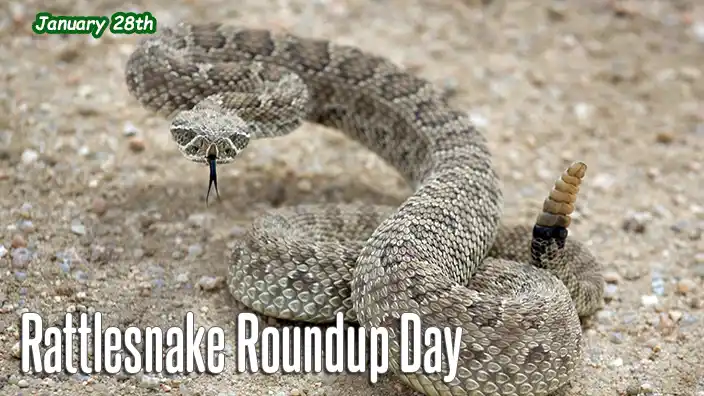
If there’s one creature that can clear a room faster than a surprise fire alarm, it’s a snake. Long, legless, and often misunderstood, serpents have been fascinating—and occasionally terrifying—humans for thousands of years. National Serpent Day slithers onto the calendar each year on February 1, giving these remarkable reptiles a moment in the spotlight… preferably at a comfortable distance for those who like their wildlife with legs.
What Is National Serpent Day?
National Serpent Day is dedicated to raising awareness about snakes, their ecological importance, and their often unfair reputation. While many people hear “serpent” and immediately picture danger, the reality is far more balanced—and far more interesting.
Snakes are found on every continent except Antarctica, adapting to deserts, forests, grasslands, and even oceans. They come in thousands of species, ranging from tiny, harmless garden snakes to powerful constrictors and venomous hunters.
The day encourages people to learn more about these animals, appreciate their role in nature, and—most importantly—stop assuming every snake is plotting something.

A Slithering History Through Culture
Serpents have been part of human stories for as long as humans have been telling stories. In ancient cultures, they symbolized everything from wisdom and healing to danger and deception.
In ancient Egypt, snakes were associated with protection and royalty. The cobra, often seen on pharaohs’ crowns, represented power and guardianship. Meanwhile, in Greek mythology, snakes were linked to healing—most notably through the Rod of Asclepius, a symbol still used in medicine today.
Of course, not all serpent symbolism has been flattering. In many traditions, snakes are portrayed as cunning or dangerous, reinforcing the fear that still lingers today. But like most good stories, the truth is a bit more complicated.
Why Snakes Matter More Than You Think
It’s easy to dismiss snakes as something to avoid—and fair enough, most of us weren’t raised thinking, “You know what would improve this walk? More reptiles.” But beneath that instinctive reaction is a creature doing some very important work behind the scenes, quietly keeping ecosystems from falling apart like a badly balanced Jenga tower.
First and foremost, snakes are nature’s pest control experts. They feed on rodents, insects, and other small animals that, left unchecked, can multiply quickly and cause serious problems. We’re talking crop damage, contaminated food supplies, and the spread of diseases. A single snake can remove dozens—sometimes hundreds—of pests in a year. That’s a level of efficiency that no trap or store-bought solution can really match.
They also play a dual role in the food chain, acting as both predator and prey. While they help control smaller animal populations, they themselves are an important food source for birds of prey, foxes, raccoons, and even other snakes. Remove snakes from the equation, and you don’t just lose one species—you disrupt an entire network of relationships that keeps nature running smoothly.
Then there’s their role as environmental indicators. Snakes are highly sensitive to changes in their surroundings, including pollution and habitat loss. When snake populations begin to decline, it’s often a sign that something else is going wrong in the ecosystem. In that sense, they’re like an early warning system—quietly signaling that the balance is shifting before more obvious problems appear.
Snakes have also contributed to science and medicine in ways that might surprise you. Certain snake venoms have been studied and used in the development of medications, including treatments for high blood pressure and blood disorders. It’s a classic case of something feared turning out to be incredibly useful—nature has a sense of irony like that.
And here’s the part that often gets overlooked: most snakes want absolutely nothing to do with us. They’re not aggressive by nature, and encounters usually happen by accident. Given the choice, a snake will almost always choose to retreat rather than engage. In other words, they’re not lurking with bad intentions—they’re just trying to get through the day like the rest of us.
So while snakes may not be winning any popularity contests anytime soon, their importance is hard to overstate. They help protect crops, maintain ecological balance, contribute to medical advancements, and quietly do their job without asking for much in return—other than a little space and a lot less misunderstanding.
Not bad for a creature that gets blamed for a whole lot more than it deserves.

Types of Snakes You Might Encounter
Snakes come in a wide variety of shapes, sizes, and lifestyles. Some of the most well-known include:
- Constrictors, like boas and pythons, which subdue prey by coiling around it.
- Venomous snakes, such as vipers and cobras, which use venom to immobilize prey.
- Colubrids, a large family that includes many harmless species commonly found in backyards.
- Aquatic snakes, which thrive in rivers, lakes, and oceans.
Each type has adapted to its environment in remarkable ways, from camouflage to specialized hunting techniques.
How to Celebrate National Serpent Day
Celebrating National Serpent Day doesn’t mean you need to go full snake charmer or start browsing for a pet python—unless that’s been on your bucket list, in which case, proceed carefully and maybe inform the neighbors first. The real goal here is appreciation, not adrenaline.
A great place to begin is with a little good old-fashioned education. Look up the snake species native to your area and learn how to identify them. You’ll quickly discover that most are harmless and far more interested in minding their own business than causing trouble. Knowing the difference between a harmless garter snake and a venomous species can turn a moment of panic into a moment of “Oh, you again.”
Visiting a zoo, aquarium, or wildlife center is another excellent way to celebrate. These places allow you to observe snakes up close without the unexpected “pop quiz” encounter in your backyard. Watching how they move, hunt, and interact with their environment gives you a whole new level of respect for their design. It’s one thing to read about a snake—it’s another to see one glide across a branch like it’s on rails.
If you prefer your wildlife experiences with a safe buffer zone (a wise choice for many), documentaries are your best friend. There are countless high-quality nature programs that showcase snakes in stunning detail, often narrated by someone who makes even the most intimidating species sound like a fascinating neighbor rather than a backyard invader.
For families, this day can be a fun and educational opportunity. Kids are naturally curious, and learning about snakes can help replace fear with understanding early on. Books, videos, and even simple drawing activities can turn National Serpent Day into something memorable—and far less scary than it sounds.
You can also support conservation efforts. Many snake species face threats from habitat loss and misunderstanding. Supporting wildlife organizations or simply spreading accurate information can make a difference. Sometimes, the best way to celebrate is by helping ensure these animals are around for future generations to learn about.
And finally, if you happen to encounter a snake in the wild, celebrate by doing absolutely nothing heroic. Give it space, let it go on its way, and enjoy the rare opportunity to see one in its natural habitat. No selfies required, no sudden movements, and definitely no attempts to “handle it like you saw online.”
National Serpent Day is really about shifting perspective—from fear to respect, from myth to understanding. You don’t have to love snakes, but taking a moment to appreciate what they bring to the natural world? That’s a celebration worth having.
Fun Facts About Serpents
Before you start eyeing the nearest patch of grass like it owes you money, it helps to know that snakes are full of surprises—most of them far more fascinating than frightening. These creatures have been perfecting their survival skills for millions of years, and along the way, they’ve picked up a few traits that sound more like science fiction than backyard wildlife. Turns out, the more you learn about serpents, the less they seem like villains… and the more they look like nature’s quiet overachievers.
- Snakes use their tongues to “smell” their surroundings.
- Some species can go months without eating.
- Not all snakes lay eggs—some give birth to live young.
- The largest snakes can grow over 20 feet long.
- Snakes shed their skin as they grow.
- They have flexible jaws that allow them to swallow prey whole.
A Creature Worth Respecting
National Serpent Day is about changing perspectives. Snakes may not win any popularity contests, but they’ve earned their place in the natural world. They’re efficient, adaptable, and surprisingly important. And while they may not be everyone’s favorite animal, they deserve more than just fear—they deserve understanding.
So the next time you hear about a snake, maybe don’t jump straight to panic. Take a moment, learn something new, and appreciate the role these fascinating creatures play… from a respectful distance, of course.