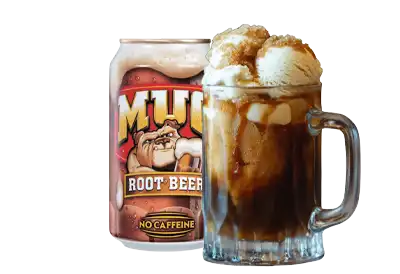

A Frosty Treat That Refuses to Go Flat
Every year on August 6, Americans celebrate National Root Beer Float Day, a delicious holiday dedicated to one of the most refreshing and nostalgic desserts ever created. Combining creamy vanilla ice cream with fizzy root beer, the root beer float has delighted generations with its unique blend of sweetness, carbonation, and old-fashioned charm.
There are desserts, there are soft drinks, and then there is the root beer float—a glorious compromise that refuses to choose sides. Is it a beverage? Is it ice cream? Is it dessert? The answer is a cheerful "yes" to all three. Few treats create as much excitement from such simple ingredients, especially when that first scoop of ice cream triggers a foam eruption that threatens to redecorate the kitchen counter.
National Root Beer Float Day gives fans the perfect excuse to enjoy this classic American favorite while learning about its fascinating history and enduring popularity.
What Is a Root Beer Float?
A root beer float is a dessert drink made by combining root beer with vanilla ice cream. When the two ingredients meet, a frothy foam forms on top, creating the signature appearance and texture that root beer float lovers know and appreciate.
The cold ice cream slowly melts into the root beer, creating a rich, creamy mixture that changes flavor and texture as you enjoy it. Early spoonfuls feature firm ice cream and fizzy soda, while later sips become a smooth, sweet beverage. It is one of the few desserts that evolves while you eat it.
Although vanilla ice cream remains the traditional choice, some people experiment with chocolate, caramel, coffee, or other flavors. Purists, however, may insist that tampering with a classic is a dangerous path that leads directly into pineapple-pizza territory.
The History of the Root Beer Float
The story of the root beer float begins in the late 19th century, during an era when soda fountains were becoming popular gathering places across America. Long before coffee chains appeared on every corner, people met at pharmacies, ice cream parlors, and soda counters to enjoy refreshing drinks, exchange local news, and escape the summer heat. It was in this environment that one of America's most beloved dessert drinks was born.
Most historians credit Frank J. Wisner, owner of the Cripple Creek Brewing Company in Cripple Creek, Colorado, with inventing the root beer float in 1893. According to the popular account, Wisner was admiring the snow-covered peak of Cow Mountain one evening when the bright white summit stood out against the dark landscape below. The image reminded him of vanilla ice cream floating on top of a glass of root beer. Inspired by what he saw, he placed a scoop of vanilla ice cream into a mug of root beer and created a new treat almost by accident.
Wisner originally called his creation the "Black Cow." Over time, similar names such as "Brown Cow" appeared, though recipes varied from region to region. In some places, a Brown Cow referred to root beer and chocolate ice cream, while elsewhere the names were used interchangeably. Whatever people called it, customers loved the combination of creamy ice cream and fizzy soda.
The timing of the invention could not have been better. During the late 1800s and early 1900s, soda fountains were flourishing throughout North America. Root beer itself was already a popular soft drink, known for its unique flavor that combined roots, herbs, bark, and spices. When paired with ice cream, it transformed into something entirely new—a dessert that could be eaten with a spoon, sipped through a straw, or enjoyed as both at once.

As the decades passed, the root beer float became a staple of diners, drive-ins, ice cream parlors, and family restaurants. It survived changing food trends, economic downturns, and the arrival of countless new desserts. While many once-popular treats faded into history, the root beer float remained a favorite because it was simple, affordable, and undeniably delicious.
The drink gained even more popularity during the post-World War II years, when families embraced road trips, drive-in restaurants, and classic American dining culture. A frosty mug filled with root beer and topped with vanilla ice cream became a familiar sight from coast to coast. For many Americans, enjoying a root beer float became part of summer itself, right alongside backyard barbecues, county fairs, and trying to catch fireflies before bedtime.
Today, more than 130 years after its creation, the root beer float continues to delight new generations. Modern variations may include gourmet root beers, specialty ice creams, or creative toppings, but the original recipe remains the gold standard. Few inventions have survived so long with so little need for improvement. After all, when your invention involves ice cream floating in root beer, you've already done most things right.
Why Root Beer Floats Became an American Classic
Part of the root beer float's appeal comes from its simplicity. Unlike elaborate desserts requiring pages of instructions and a sink full of dirty dishes, a root beer float requires only two primary ingredients and a few moments of preparation.
The float also carries strong feelings of nostalgia. For many people, root beer floats bring back memories of family gatherings, summer vacations, county fairs, backyard cookouts, and visits to old-fashioned soda fountains.
Root beer itself occupies a unique place in American food culture. Unlike cola, lemon-lime soda, or fruit-flavored soft drinks, root beer offers a distinctive flavor traditionally derived from roots, herbs, spices, and botanical ingredients. Combined with vanilla ice cream, it creates a taste that many people instantly recognize.
Perhaps most importantly, root beer floats are simply fun. The bubbling foam, the floating scoop, and the race to keep the drink from overflowing all add a sense of entertainment to the experience.

How to Celebrate National Root Beer Float Day
The obvious way to celebrate National Root Beer Float Day is by making a root beer float. Pour chilled root beer into a tall glass, add one or two generous scoops of vanilla ice cream, and prepare for the foam to rise dramatically.
Many families celebrate by hosting root beer float parties where guests can customize their creations with different ice cream flavors and toppings. Some people even create float bars featuring whipped cream, cherries, caramel sauce, and chocolate shavings.
You can also explore the history of soda fountains and classic American desserts. Many diners and ice cream shops still serve traditional root beer floats, offering a taste of Americana that has changed surprisingly little over the decades.
For those who enjoy culinary experiments, National Root Beer Float Day provides an opportunity to test different combinations and discover new favorites. Just remember that every great scientific breakthrough begins with someone saying, "What happens if I put ice cream in that?"
Root Beer Floats in Popular Culture
Few desserts have become as closely associated with American culture as the root beer float. For more than a century, it has appeared in movies, television shows, advertisements, comic strips, and nostalgic artwork as a symbol of simpler times. When filmmakers or advertisers want to create a feeling of small-town America, there is a good chance a frosty root beer float will make an appearance somewhere in the scene.
During the golden age of soda fountains in the early 20th century, root beer floats became a familiar part of everyday life. Teenagers gathered at local drugstores after school, families stopped at diners during road trips, and friends met at soda counters to share treats and conversation. The root beer float became more than just a dessert—it became part of the social fabric of American communities.
The rise of drive-in restaurants during the 1940s, 1950s, and 1960s further cemented the float's popularity. Servers on roller skates delivered trays loaded with burgers, fries, and towering mugs of root beer floats to hungry customers. These scenes became iconic images of postwar America and have been recreated countless times in television shows, films, and advertising campaigns.
Root beer floats have also benefited from their strong connection to nostalgia. Unlike many food trends that come and go, the float remains linked to childhood memories, family outings, county fairs, and summer vacations. Many adults who have not enjoyed a root beer float in years can instantly recall the taste after seeing one served. It is remarkable how a simple combination of root beer and ice cream can unlock memories faster than an old photograph.
The dessert has appeared in countless retro-themed restaurants and family-friendly television programs because it represents wholesome fun that spans generations. Grandparents, parents, and children can all enjoy the same treat, making it one of the few desserts that genuinely bridges age gaps. It is difficult to argue over a root beer float when everyone at the table is busy trying to prevent the foam from escaping over the rim.
Advertising has also played a major role in keeping the root beer float in the public eye. Soft drink companies and ice cream brands have long used the float as a symbol of refreshment, summer enjoyment, and classic American traditions. Promotional campaigns often feature overflowing mugs, smiling families, and sunny afternoons, reinforcing the float's reputation as a timeless comfort food.
Even in an age filled with gourmet desserts, extravagant milkshakes, and social media food trends, the root beer float continues to hold its place. It may not arrive covered in gold flakes or require a ten-minute explanation from a waiter, but it remains beloved because it delivers exactly what people want: a cold, creamy, fizzy treat that has been making people smile for generations. In a world that constantly changes, the root beer float remains reassuringly, deliciously familiar.
Fun Facts About National Root Beer Float Day
The root beer float may seem like a simple combination of soda and ice cream, but this classic treat has accumulated plenty of interesting history over the past century. From its accidental invention in Colorado to its starring role in diners and soda fountains across America, the root beer float has earned its place among the country's most beloved desserts. Before you grab a spoon and a straw, enjoy these fun facts about the frothy favorite that has been delighting generations since the 1890s.
- Frank J. Wisner is widely credited with inventing the root beer float in 1893.
- The original name for the drink was reportedly the Black Cow.
- Root beer was often made from a blend of roots, herbs, bark, and spices.
- The foam on a root beer float forms when carbonation interacts with the ice cream.
- Root beer floats remain one of the most popular ice cream soda combinations in North America.
- Many diners and soda fountains still serve traditional root beer floats today.
- August is one of the most popular months for enjoying frozen treats in the United States.
A Celebration Worth Raising a Glass To
National Root Beer Float Day celebrates a dessert that has brought smiles to generations for more than a century. Combining fizzy root beer, creamy vanilla ice cream, and a healthy dose of nostalgia, the root beer float remains one of America's most beloved treats.
Whether enjoyed at a diner, a backyard barbecue, or around the kitchen table, a root beer float reminds us that sometimes the simplest ideas are the most satisfying. Just be prepared when the foam starts climbing toward the rim of the glass—it has been doing that since 1893 and shows no signs of stopping.