Because Every Dog Deserves a Tail Wag!
Every October 22, National Make a Dog's Day celebrates the wonderful relationship between humans and their canine companions while encouraging people to make life a little brighter for dogs everywhere. Whether your four-legged friend is a bouncing puppy, a dignified senior with a distinguished gray muzzle, or a lovable rescue dog who has finally discovered the joys of a comfortable sofa, this special occasion is about showing dogs just how much they mean to us. Dogs have an extraordinary talent for transforming ordinary moments into celebrations. A walk around the block becomes an adventure, a tennis ball becomes the greatest invention in human history, and your return from a five-minute trip to the grocery store is greeted with the enthusiasm normally reserved for astronauts returning from the Moon.
But National Make a Dog's Day on October 22 is about much more than handing out extra treats and administering enthusiastic belly rubs. The observance also highlights the importance of animal shelters, responsible dog adoption, and helping overlooked dogs find loving homes. Older dogs, dogs with disabilities, and those with medical or behavioral challenges can face additional obstacles when prospective adopters visit shelters. Yet these animals are every bit as deserving of affection, security, and companionship as their younger, healthier counterparts. National Make a Dog's Day encourages us to recognize the value of every dog, regardless of age, appearance, or circumstances. And while a squeaky toy might make one dog's day, providing a permanent, loving home can transform another dog's entire life.
How National Make a Dog's Day Began
National Make a Dog's Day was introduced in 2019 by Subaru of America as part of the company's ongoing commitment to animal welfare and pet adoption. The observance was established to encourage dog lovers to do something special for their pets while drawing attention to shelter animals that are frequently overlooked. Subaru had already developed a strong association with dogs through its advertising, community partnerships, and charitable initiatives, making a celebration devoted to canine happiness a natural extension of its animal welfare activities. The company also recognized that October, designated as Adopt a Shelter Dog Month in the United States, provided an excellent opportunity to promote responsible adoption and support organizations working to improve the lives of homeless animals.
A central feature of the initiative is its focus on what Subaru affectionately calls the Underdogs—shelter dogs that may have difficulty finding adoptive families because of their age, disabilities, appearance, or special care requirements. While puppies often attract immediate attention with their oversized paws and enthusiastic attempts to chew absolutely everything, older dogs and those requiring additional assistance may spend considerably longer waiting for someone to recognize their potential. Some have limited mobility, impaired vision or hearing, chronic medical conditions, or simply a few more birthdays behind them. Others may need patient training or time to adjust after difficult experiences. National Make a Dog's Day encourages prospective adopters to look beyond first impressions and consider the extraordinary companionship these overlooked animals can offer.
The celebration is closely connected with Subaru Loves Pets, a broader initiative supporting animal shelters, rescue organizations, and pet welfare programs. Through partnerships with animal welfare groups and participating retailers, Subaru has supported adoption events, fundraising activities, and efforts to improve outcomes for shelter animals. These initiatives have helped bring attention to the practical challenges facing rescue organizations, including veterinary expenses, overcrowding, foster care needs, and the continuing demand for suitable adoptive homes. Although National Make a Dog's Day began as a company-sponsored observance rather than a government-established holiday, its message has resonated with dog owners and animal lovers far beyond the automotive industry. After all, convincing people to do something nice for a dog is hardly the most difficult marketing challenge imaginable. The dogs have already been handling their own public relations for thousands of years.
Since its introduction, National Make a Dog's Day has become an opportunity for shelters, rescue groups, pet owners, and animal welfare advocates to share stories of successful adoptions and encourage greater compassion toward dogs in need. Social media campaigns featuring the hashtag #MakeADogsDay help spread the message, while local organizations may organize adoption promotions, educational activities, or donation drives. However, the real significance of the observance lies in encouraging lasting improvements rather than a single day of attention. A new toy is wonderful, but consistent veterinary care, proper nutrition, exercise, training, affection, and a safe home are the foundations of a happy dog's life. National Make a Dog's Day is therefore both a celebration and a reminder that the responsibilities of pet ownership continue long after October 22 has disappeared from the calendar.
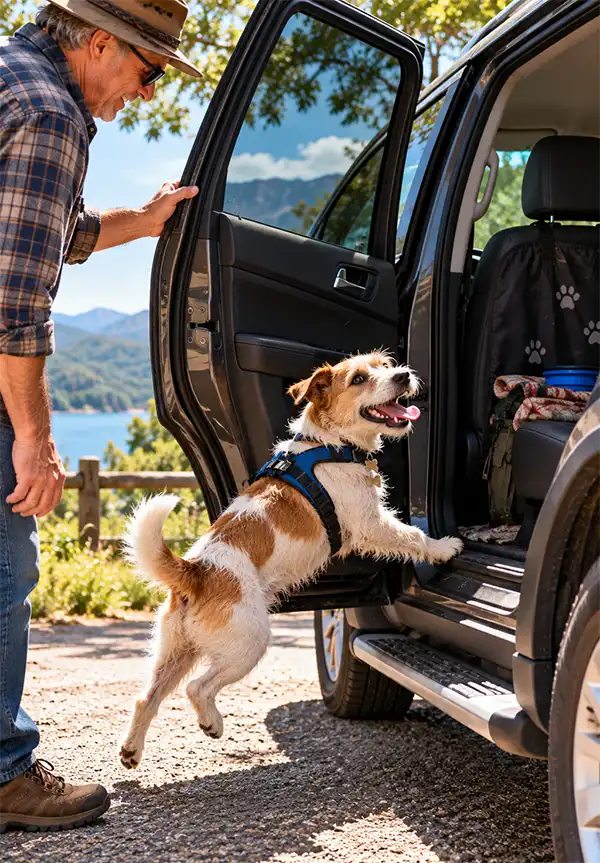
Why Do Humans Love Dogs So Much?
The relationship between humans and domestic dogs is one of the longest and most remarkable partnerships in the animal kingdom. Dogs descended from ancient wolf populations and gradually developed a close association with humans thousands of years ago, although scientists continue to investigate exactly when, where, and how domestication began. Over generations, dogs became valuable companions, helping people hunt, guard settlements, herd livestock, and perform numerous other tasks. Today, dogs serve as family pets, working animals, search-and-rescue partners, assistance dogs, and companions whose presence can bring enormous comfort and enjoyment. From the smallest Chihuahua to the largest Great Dane, domestic dogs demonstrate an extraordinary range of physical characteristics and personalities, yet many share an impressive ability to communicate and cooperate with people.
Scientific research has explored how dogs recognize human voices, gestures, facial expressions, and emotional signals. Many dogs learn to interpret familiar words, understand pointing gestures, and respond to changes in their owner's behavior. Research has also investigated the role of oxytocin, a hormone associated with social bonding, in positive interactions between dogs and humans. Friendly eye contact and affectionate interaction can contribute to bonding, although individual responses vary and prolonged direct staring may make some dogs uncomfortable. Dogs are also highly observant creatures, often recognizing routines long before their owners realize they have established them. A particular pair of shoes might announce an upcoming walk, while the sound of a cupboard opening could signal the possibility of a snack. Your dog may not understand the household budget, but it almost certainly knows which drawer contains the treats.
Dog ownership can also encourage physical activity, social interaction, and companionship. Regular walks provide exercise for both dogs and their owners, while caring for an animal can introduce structure and enjoyable routines into everyday life. Some studies have associated positive interactions with dogs with reduced feelings of loneliness or stress, although the benefits vary between individuals and circumstances. Dogs are not substitutes for medical treatment or professional mental health care, but their companionship can be deeply meaningful. A dog does not need to understand every word of your troubles to offer a reassuring presence, a gentle nudge, or an enthusiastic invitation to step outside and enjoy some fresh air. Admittedly, that invitation sometimes arrives at six o'clock in the morning, accompanied by a cold nose and absolutely no willingness to negotiate.
The Remarkable Abilities of Our Canine Companions
Dogs possess several remarkable sensory abilities that help explain their success as companions and working animals. Their sense of smell is particularly impressive, with a sophisticated olfactory system capable of detecting and distinguishing odors at concentrations far below those humans can typically perceive. The number of scent receptors varies considerably among breeds, and a dog's ability to identify particular odors depends on training, environmental conditions, and individual characteristics. Specialized detection dogs can be trained to locate missing people, identify certain substances, detect wildlife, and assist with conservation research. Meanwhile, the average household dog uses the same extraordinary equipment to determine precisely which family member dropped a crumb beneath the kitchen table three days earlier.
Canine hearing is another impressive adaptation. Dogs can detect some higher-frequency sounds that fall beyond the normal range of human hearing, and their movable ears help them locate the direction of noises. Their body language is equally important. Tail position, ear movement, posture, facial expression, and vocalizations all contribute to canine communication, although a wagging tail does not automatically mean a dog is friendly or relaxed. Understanding the complete picture is essential when interpreting a dog's behavior. Dogs also experience different stages of sleep, including rapid eye movement sleep, during which twitching, paw movements, and soft vocalizations may occur. Researchers believe dogs probably dream, although precisely what occupies their sleeping minds remains unknown. Given the evidence available from their waking hours, squirrels, tennis balls, and unattended sandwiches seem reasonable candidates.
Senior Dogs and Special-Needs Dogs Deserve a Chance
One of the most important messages behind National Make a Dog's Day is that senior shelter dogs and dogs with disabilities deserve loving homes. Animal shelters frequently care for older dogs whose previous owners could no longer provide for them because of illness, financial hardship, housing changes, or other circumstances. Some have spent years as beloved family companions before unexpectedly finding themselves in unfamiliar surroundings. Others arrive with medical conditions requiring ongoing treatment or physical limitations that may discourage prospective adopters. Although adoption outcomes vary among shelters and communities, older animals and those with additional care needs can face greater challenges in finding suitable homes. Their circumstances do not diminish their capacity for affection, companionship, or enjoyment of life.
Adopting an older dog can offer advantages for the right household. Many senior dogs have established personalities, and some are already accustomed to living indoors, walking on a leash, or following basic commands. Their energy levels may be more compatible with people seeking a quieter companion, although individual needs differ considerably. An older dog may prefer a leisurely neighborhood stroll and a comfortable afternoon nap to an exhausting game of fetch lasting approximately three geological eras. However, prospective adopters should also consider veterinary expenses, mobility requirements, medication, dietary needs, and the possibility of age-related health conditions. Responsible adoption means matching a dog's needs with a household capable of meeting them, not simply choosing the animal with the saddest expression. Although, admittedly, dogs have developed that particular expression into something approaching a fine art.
Dogs with disabilities can also enjoy fulfilling lives when provided with appropriate care and accommodations. A dog with limited vision may learn to navigate familiar surroundings through scent, sound, and consistent household arrangements. Deaf dogs can respond to visual signals and other suitable training methods, while dogs with mobility challenges may benefit from supportive equipment, modified exercise routines, or veterinary rehabilitation. Not every household is equipped to care for every special-needs animal, and there is nothing irresponsible about recognizing practical limitations. The goal is to find safe, sustainable placements where both the dog and the adopting family can thrive. For someone prepared to provide the necessary care, welcoming an overlooked dog into the family can be an exceptionally rewarding experience.
How to Celebrate National Make a Dog's Day
Celebrating National Make a Dog's Day does not require an elaborate party, expensive gifts, or a dog wearing a ridiculous hat, although the hat may be negotiable if your dog genuinely enjoys dressing up. The simplest way to celebrate is to consider what makes your particular dog happy. For some, that means a longer walk with plenty of opportunities to investigate interesting smells. Others might prefer a favorite game, a comfortable afternoon together, or a new enrichment activity involving treats hidden inside a puzzle toy. Mental stimulation is an important part of canine welfare, and activities that encourage sniffing, problem-solving, and appropriate play can help prevent boredom. The objective is to provide enjoyable experiences suited to your dog's age, health, personality, and physical abilities, rather than assuming every dog dreams of attending a crowded dog park.
A special outing can be another wonderful way to make a dog's day. Consider visiting a dog-friendly walking trail, exploring a quiet park, or taking a leisurely drive to a favorite outdoor destination. Always follow local leash regulations, provide fresh drinking water, and account for weather conditions, particularly during periods of extreme heat. Dogs can suffer from heat exhaustion and heatstroke, and hot pavement can injure their paws. If your dog prefers staying home, a gentle grooming session, comfortable resting area, or quiet time with the family may be far more enjoyable than an unfamiliar adventure. Remember that not every dog appreciates hugs, costumes, or enthusiastic attention from strangers. Respecting an animal's preferences and body language is one of the simplest ways to show genuine affection.
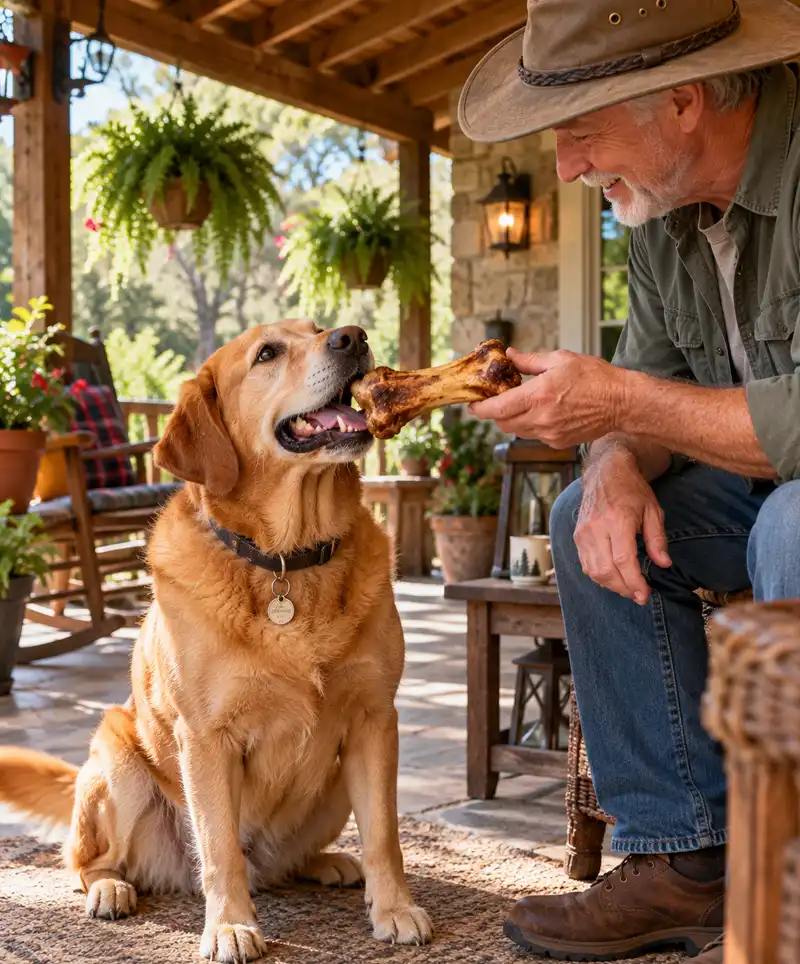
Treats are another popular part of the celebration, but responsible indulgence matters. A veterinarian-approved snack, a portion of your dog's usual food presented in an interesting way, or a suitable chew toy can make the occasion special without upsetting a carefully managed diet. Avoid foods known to be dangerous to dogs, including chocolate, grapes, raisins, onions, and products containing xylitol. Cooked bones can splinter and cause choking, dental injuries, or serious internal damage, so they should not be offered as celebratory treats. Choose safe alternatives appropriate for your dog's size and chewing habits, and supervise chewing activities. Your dog may insist that an entire roast chicken would be a perfectly reasonable present, but fortunately, the responsibility for nutritional decisions remains with the human members of the household.
For people without dogs, National Make a Dog's Day offers numerous opportunities to support animal welfare. Consider donating money, food, bedding, cleaning supplies, or enrichment toys to a reputable local animal shelter, preferably after checking which items are currently needed. Volunteering can be equally valuable, whether helping with approved dog-walking programs, assisting at adoption events, fostering animals, or supporting fundraising activities. Sharing accurate adoption information through social media may help connect suitable families with dogs awaiting homes. If you are considering adoption yourself, take time to evaluate your living arrangements, financial resources, schedule, and ability to provide long-term care. Bringing a dog home should be a carefully considered commitment, not an impulsive decision inspired by an especially persuasive pair of brown eyes.
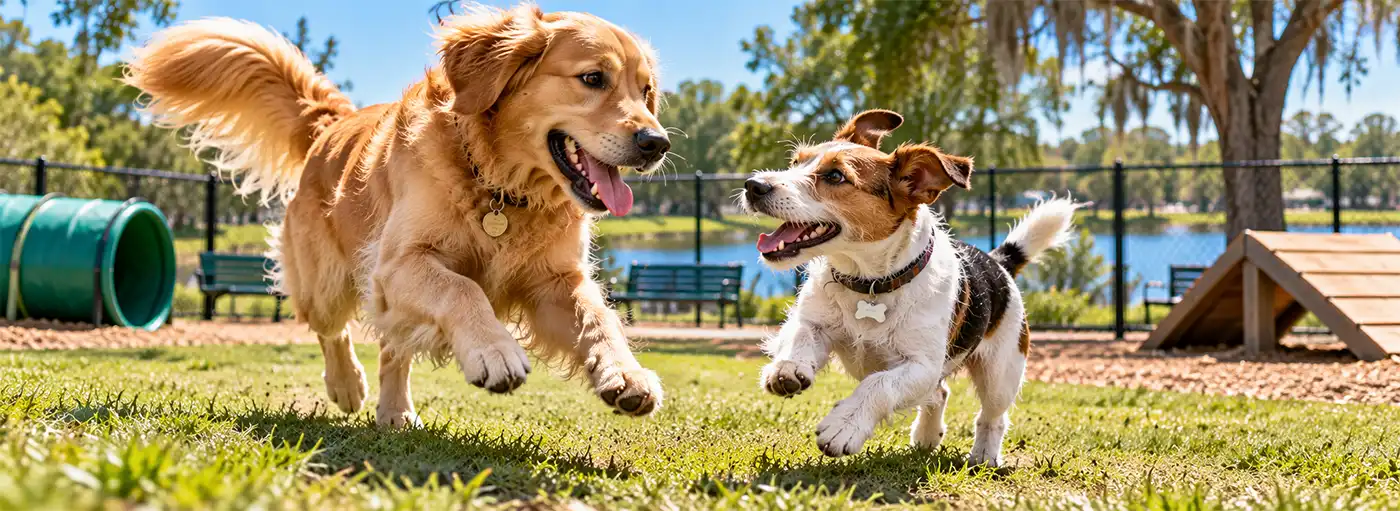
Fascinating Dog Facts Worth Barking About
Dogs have accompanied humans for thousands of years, yet scientists continue to discover fascinating details about their behavior, biology, and remarkable abilities. Here are a few facts to appreciate while your canine companion supervises from the sofa.
- Dogs possess an extraordinary sense of smell. Their olfactory abilities allow them to detect and distinguish odors that humans cannot easily perceive, making properly trained dogs invaluable in search-and-rescue operations, detection work, and wildlife conservation.
- Dogs experience rapid eye movement sleep. Like humans, dogs pass through different sleep stages, and researchers believe they probably dream. Those twitching paws and muffled barks may accompany dream activity, although nobody has yet managed to interview a sleeping Labrador about the results.
- Every dog's nose has a distinctive pattern. The arrangement of ridges and grooves on a dog's nose varies between individuals, although nose-print identification is not a universally established replacement for microchipping.
- Dogs can learn to recognize human gestures. Many dogs understand pointing and other visual signals, demonstrating how closely canine behavior has become connected with human communication.
- A wagging tail does not always mean happiness. Tail movement can indicate excitement, uncertainty, tension, or other emotional states. Understanding the dog's overall posture and behavior is essential.
- Dogs can hear sounds beyond the typical human hearing range. Their sensitivity to higher frequencies helps them detect certain noises that people may not notice, including sounds made by small animals.
- Dogs have an additional eyelid. Known as the nictitating membrane, this structure helps protect the eye and distribute tears across its surface. It is not a secret superpower, but it is a useful piece of biological engineering.
- Dogs have accompanied humans for thousands of years. Archaeological and genetic evidence demonstrates a long history of human–dog relationships, making domestic dogs among humanity's earliest animal companions.
Responsible Dog Ownership: Making Every Day Count
While National Make a Dog's Day is celebrated on October 22, the principles behind the occasion apply throughout the year. Responsible dog ownership includes providing balanced nutrition, appropriate exercise, routine veterinary care, preventive treatments, identification, safe housing, and opportunities for social interaction. Dogs also benefit from consistent, reward-based training that helps them understand expectations and develop confidence. Their needs change with age, health, and individual temperament, so responsible owners remain attentive to signs of discomfort, anxiety, or illness. A dog that suddenly becomes withdrawn, aggressive, unusually tired, or reluctant to move may be experiencing a medical problem rather than simply having a bad day.
Identification is especially important because even well-trained dogs can become lost. A properly registered microchip, together with a collar and current identification tag where appropriate, can improve the chances of reuniting a missing dog with its family. Spaying or neutering decisions should be discussed with a veterinarian, taking into account the dog's breed, age, health, and individual circumstances. Responsible ownership also means respecting other people and animals by following leash laws, supervising interactions, cleaning up after pets, and preventing unwanted encounters. Loving a dog is wonderful, but helping that dog live safely and comfortably within the wider community is just as important.
Above all, dogs need time, patience, and companionship. Their enthusiasm for human attention is often extraordinary, but affection should always be balanced with respect for their need to rest, retreat, and feel secure. A dog does not measure love by the price of its collar or the number of toys scattered across the living room. What matters most is the quality of care and the consistency of the relationship. Of course, the dog may still express a strong preference for the expensive squeaky toy, only to abandon it five minutes later in favor of the cardboard box it arrived in.
Every Dog Deserves Its Day
National Make a Dog's Day is a celebration of loyalty, companionship, compassion, and the remarkable connection between people and dogs. It reminds us that canine happiness comes in many forms, from the excitement of a favorite walk to the quiet security of a loving home. It also draws attention to the shelter dogs waiting for someone willing to recognize their worth, particularly senior dogs and animals with disabilities or additional care requirements. By supporting responsible adoption, animal rescue organizations, and everyday acts of kindness, dog lovers can make a meaningful difference in the lives of animals who depend on human care.
So, on October 22, celebrate National Make a Dog's Day by giving your dog something it truly enjoys, supporting a shelter in need, or helping an overlooked animal take one step closer to a permanent home. You might offer an extra walk, arrange a safe play session, donate to a rescue organization, or simply spend some uninterrupted time with your four-legged companion. Whatever you choose, remember that making a dog's day does not have to involve grand gestures. Sometimes the greatest gift is simply being there.
And if your dog greets your efforts with a wagging tail, an enthusiastic bark, and a slobbery kiss, consider yourself properly thanked. Just don't expect the appreciation to last once someone opens the refrigerator.
After all, tomorrow is another day, and your dog will almost certainly be expecting breakfast.