Save Money, Reduce Energy Bills, and Stop Funding the Electric Company's Retirement
Every January 10, National Cut Your Energy Costs Day encourages homeowners, renters, and businesses to take a serious look at their energy consumption and discover practical ways to reduce electricity bills, heating expenses, and unnecessary energy waste. It's a celebration of energy efficiency, household savings, and the revolutionary idea that you shouldn't need a second mortgage to keep the living room comfortable. Whether you're battling freezing winter temperatures, sweltering summer heat, or a teenager who believes every light in the house should remain illuminated around the clock, this observance offers plenty of opportunities to save money. Best of all, reducing energy costs doesn't necessarily mean sitting in the dark, wearing six sweaters, or explaining to your family that hot showers have become an expensive luxury reserved for birthdays and major anniversaries.
What Is National Cut Your Energy Costs Day?
National Cut Your Energy Costs Day is an annual awareness observance celebrated on January 10 to encourage individuals, families, and businesses to improve energy efficiency and reduce utility expenses. Its central message is straightforward: using energy more efficiently can lower household bills, conserve valuable resources, and reduce the environmental impact associated with electricity generation and fuel consumption. The occasion encourages people to examine their everyday habits, identify unnecessary energy use, and make practical improvements to their homes and workplaces. These changes can range from switching off unused lights to installing better insulation, upgrading aging appliances, or arranging a professional home energy assessment.
Unlike some observances that require elaborate preparations or questionable culinary experiments, National Cut Your Energy Costs Day has a genuinely practical purpose. Saving energy can produce measurable financial benefits throughout the year, particularly for households struggling with rising living expenses. Heating, air conditioning, water heating, refrigeration, lighting, and electronic equipment all contribute to utility bills, although the amounts vary considerably depending on climate, home size, equipment efficiency, and personal habits. A little attention to these everyday expenses can reveal opportunities for savings that might otherwise remain unnoticed. The objective is not to abandon modern comforts but to enjoy them without unnecessarily paying for energy that provides no useful benefit.
The timing of the observance is particularly appropriate for countries experiencing winter in January. Cold weather increases heating demand, and households may discover that their utility bills have developed a rather unpleasant personality. However, the principles behind the day apply equally well in warmer regions, where air conditioning can represent a substantial share of electricity consumption. Residents of Florida, Australia, and other warm climates may be more concerned about keeping their homes cool than heating them, but the financial objective remains identical. Whether you're trying to keep warm air inside or prevent hot air from entering, energy efficiency helps reduce the amount of work required from heating and cooling equipment.
The History and Canadian Origins of National Cut Your Energy Costs Day
National Cut Your Energy Costs Day is widely attributed to the Canadian Energy Efficiency Alliance, an organization associated with promoting responsible energy consumption and improved efficiency. Although its precise founding year is not firmly established in the available authoritative records, the observance became associated with January 10 and gradually attracted attention beyond Canada. Its purpose was to encourage consumers to understand the relationship between everyday energy use, household expenses, and environmental responsibility. The idea was simple enough to appeal internationally: wasting energy costs money, and most people would prefer to keep that money for something considerably more enjoyable than watching the electricity meter turn.
The observance eventually gained recognition in the United States, where electric utilities, energy organizations, and government agencies began promoting energy-saving advice around January 10. The U.S. Department of Energy has participated by highlighting practical measures such as improving lighting efficiency, adjusting thermostats, upgrading heating and cooling equipment, and arranging home energy assessments. Utility companies have also used the occasion to encourage customers to maintain equipment, understand their energy consumption, and explore efficiency programs. Although the word National remains part of the observance's familiar name, its message has become international, reflecting the universal appeal of smaller utility bills.
The growth of National Cut Your Energy Costs Day also reflects changing attitudes toward energy conservation. In earlier generations, saving electricity was often associated with simple household discipline: turn off the lights, close the doors, and don't leave the refrigerator open while contemplating life's great mysteries. Those habits remain useful, but modern technology offers additional possibilities. Energy-efficient appliances, LED lighting, programmable thermostats, improved insulation, and advanced heating systems can significantly reduce energy consumption while maintaining comfort. Today's households have more opportunities than ever to manage energy intelligently, even if convincing family members to switch off the bathroom light remains an ongoing diplomatic challenge.
Understanding Where Your Household Energy Goes
Before attempting to reduce energy costs, it helps to understand how energy is used throughout a home. Heating and cooling are often among the largest household energy expenses, particularly in regions experiencing extreme seasonal temperatures. Water heating, refrigerators, laundry equipment, cooking appliances, lighting, and electronics also contribute to overall consumption. However, every home is different. A small, well-insulated apartment may have very different energy requirements from an older detached house with inefficient windows, aging equipment, and a roof that apparently considers insulation an optional extra.
Electricity consumption is commonly measured in kilowatt-hours, abbreviated as kWh. One kilowatt-hour represents the energy consumed by a 1,000-watt appliance operating for one hour. For example, a 100-watt device running continuously for ten hours uses one kilowatt-hour of electricity. The amount charged for that electricity depends on the utility's pricing structure, which may include energy charges, fixed service fees, taxes, and other costs. Understanding this relationship helps explain why some appliances have a greater effect on household expenses than others. A small LED light might consume relatively little electricity, while an inefficient air-conditioning system operating for extended periods can make a noticeable difference to the monthly bill.
Reviewing utility statements is an excellent starting point for identifying opportunities to save. Many electricity providers display historical consumption, allowing customers to compare current usage with previous months or the same period in earlier years. Some utilities also provide online dashboards showing daily or hourly energy consumption, making it easier to recognize unusual patterns. A sudden increase in electricity use might result from seasonal temperatures, additional household activity, or equipment operating inefficiently. Before blaming the electric company for every unpleasant surprise, it may be worth checking whether the garage refrigerator has been running continuously since the last family barbecue.
Heating and Cooling: The Biggest Opportunities to Save Energy
Heating and cooling systems frequently offer some of the greatest opportunities for reducing household energy costs. Air conditioners, furnaces, and heat pumps must work harder when outdoor temperatures differ substantially from the desired indoor temperature, particularly when buildings have inadequate insulation or significant air leaks. Small thermostat adjustments can reduce the workload on these systems without making a home uncomfortable. During winter, lowering the thermostat when occupants are asleep or away can save energy, while raising the cooling temperature during summer can reduce air-conditioning demand. The most effective settings depend on personal comfort, health needs, climate, and the type of heating or cooling equipment installed.
Programmable and smart thermostats can help manage these adjustments automatically. Rather than heating or cooling an empty house to the same temperature maintained when everyone is home, a properly configured thermostat can follow a schedule that reflects household routines. The U.S. Department of Energy has noted that suitable thermostat setbacks can produce meaningful savings under appropriate conditions, although results vary according to climate, equipment, and building characteristics. Heat pumps and other systems may require different strategies, so homeowners should follow equipment-specific recommendations. The important principle is to avoid unnecessary heating or cooling while maintaining safe, comfortable indoor conditions.
Regular maintenance also contributes to efficient operation. Dirty air filters, obstructed vents, poorly maintained equipment, and leaking ductwork can reduce system performance and increase energy consumption. Filters should be inspected and replaced or cleaned according to manufacturer recommendations, while professional servicing can help identify mechanical problems before they become expensive failures. Homeowners should also ensure that furniture, curtains, and other objects are not obstructing air vents. A heating system cannot distribute warmth efficiently when someone has placed a large sofa directly over the register, regardless of how attractive the furniture arrangement might appear.
Insulation and Weatherproofing: Stop Paying to Heat the Neighborhood
A well-insulated home reduces unwanted heat transfer, helping maintain comfortable indoor temperatures with less heating or cooling. Insulation is particularly important in attics, exterior walls, floors, and other areas separating conditioned living spaces from outdoor temperatures. Older homes may contain insufficient insulation or materials that have deteriorated over time, allowing heat to escape during winter and enter during summer. Improving insulation can therefore reduce energy consumption and increase comfort, although the most effective improvements depend on the building's construction and local climate.
Air leaks are another common source of wasted energy. Small gaps around windows, doors, plumbing penetrations, and other openings can allow conditioned air to escape while outdoor air enters. Weatherstripping, appropriate caulking, and professional air sealing can help reduce these losses. The U.S. Department of Energy recommends identifying significant leaks and improving building weatherization as part of an effective energy-saving strategy. However, homeowners should avoid sealing required ventilation openings or attempting work around electrical systems, combustion appliances, and other potentially hazardous areas without qualified assistance.
Windows also influence household energy efficiency. Double-glazed windows, suitable window coverings, exterior shading, and properly installed weatherstripping can reduce unwanted heat transfer. In hot climates, closing curtains or blinds against strong afternoon sunlight can help reduce cooling demand, while winter sunshine may provide useful passive warmth in colder regions. These approaches allow households to take advantage of natural conditions rather than relying entirely on mechanical heating and cooling. After all, the sun has been providing free energy for billions of years, and it would be rather discourteous not to take advantage of its generosity when practical.
LED Lighting: A Bright Idea That Actually Saves Money
One of the simplest ways to reduce electricity bills is to replace inefficient incandescent light bulbs with modern LED lighting. Light-emitting diodes, commonly called LEDs, use considerably less electricity than traditional incandescent bulbs while providing comparable illumination. They also generally last much longer, reducing the expense and inconvenience of frequent replacements. According to the U.S. Department of Energy, replacing inefficient lighting with energy-efficient LEDs can produce meaningful annual savings, particularly in homes that still rely heavily on older incandescent bulbs. Unlike some home improvements, changing a compatible light bulb usually requires little technical knowledge and doesn't involve persuading a contractor to visit your house sometime between Tuesday morning and the following Christmas.
LED bulbs are available in different brightness levels and color temperatures, allowing homeowners to select lighting appropriate for kitchens, bedrooms, offices, and outdoor areas. Brightness is measured in lumens rather than watts, which can initially confuse shoppers accustomed to choosing bulbs according to electricity consumption. A typical LED bulb providing approximately the same light as a traditional 60-watt incandescent bulb may use only about 8 to 10 watts. However, not every LED bulb is suitable for enclosed fixtures, dimmer switches, or outdoor use, so checking packaging and manufacturer recommendations remains important.
Turning off unnecessary lighting is another sensible habit, even when energy-efficient bulbs are installed. Motion sensors, timers, and smart lighting controls can help prevent lights from remaining illuminated in empty rooms, garages, and outdoor areas. These devices are particularly useful in locations where people frequently forget to operate switches manually. Of course, there is always the traditional parental approach of walking through the house announcing that the family does not own shares in the electric company. This method has been practiced for generations, although its effectiveness remains the subject of considerable household debate.
Energy-Efficient Appliances: When Old Faithful Becomes Old Expensive
Household appliances can account for a substantial portion of energy consumption, particularly when older equipment operates inefficiently or requires frequent use. Refrigerators, freezers, washing machines, dryers, dishwashers, and cooking appliances all consume electricity or other energy sources. Modern appliances are often designed to provide the same services using less energy, and products carrying the ENERGY STAR label meet efficiency requirements established by the U.S. Environmental Protection Agency. However, replacing every functioning appliance simply because a newer model exists is not necessarily economical. The sensible approach is to consider operating costs, equipment condition, purchase price, and expected savings before making a decision.
Refrigerators deserve particular attention because they operate continuously throughout the year. An aging refrigerator may consume significantly more electricity than a comparable modern model, especially if its door seals are damaged or its cooling system is deteriorating. Keeping refrigerator doors properly closed, allowing adequate ventilation around the appliance, and following manufacturer recommendations can help maintain efficient operation. Additional refrigerators and freezers in garages or storage areas can also increase household electricity consumption, particularly in hot climates. That ancient refrigerator in the garage may have faithfully protected beverages since the previous century, but its contribution to the electric bill could be considerably less admirable.
Laundry equipment offers further opportunities to conserve energy. Washing clothes in cold water when appropriate can reduce the energy required for water heating, while running reasonably full loads helps avoid unnecessary cycles. Clothes dryers generally consume more energy than washing machines, making proper maintenance and efficient drying practices particularly useful. Cleaning the lint filter after each load and maintaining the dryer vent according to manufacturer instructions improves performance and reduces fire hazards. Where practical, outdoor clotheslines provide an inexpensive alternative, although weather conditions, local regulations, and personal preferences may influence their usefulness. There is something reassuringly traditional about allowing sunshine and a gentle breeze to dry the laundry without sending a monthly invoice.
Water Heating: Saving Money Without Giving Up Hot Showers
Water heating is another important household energy expense, particularly in homes where showers, laundry, dishwashing, and other activities require substantial quantities of hot water. The U.S. Department of Energy estimates that water heating accounts for approximately 18% of energy use in a typical American home, although actual consumption varies considerably. Reducing unnecessary hot water consumption can therefore contribute to lower utility bills without requiring major renovations. Simple measures include repairing leaking hot water faucets, using efficient showerheads, washing appropriate laundry loads in cold water, and avoiding unnecessarily long showers.
For many households, a water heater setting of approximately 120°F (49°C) can help reduce energy consumption and the risk of scalding. However, appropriate temperatures depend on the equipment, household health considerations, and applicable safety guidance. Some situations require higher storage temperatures or specialized mixing valves to manage bacterial growth and prevent burns. Homeowners should consult manufacturer instructions and qualified professionals before changing unfamiliar equipment settings. The objective is to save money safely, not to transform the water heater into an experimental laboratory.
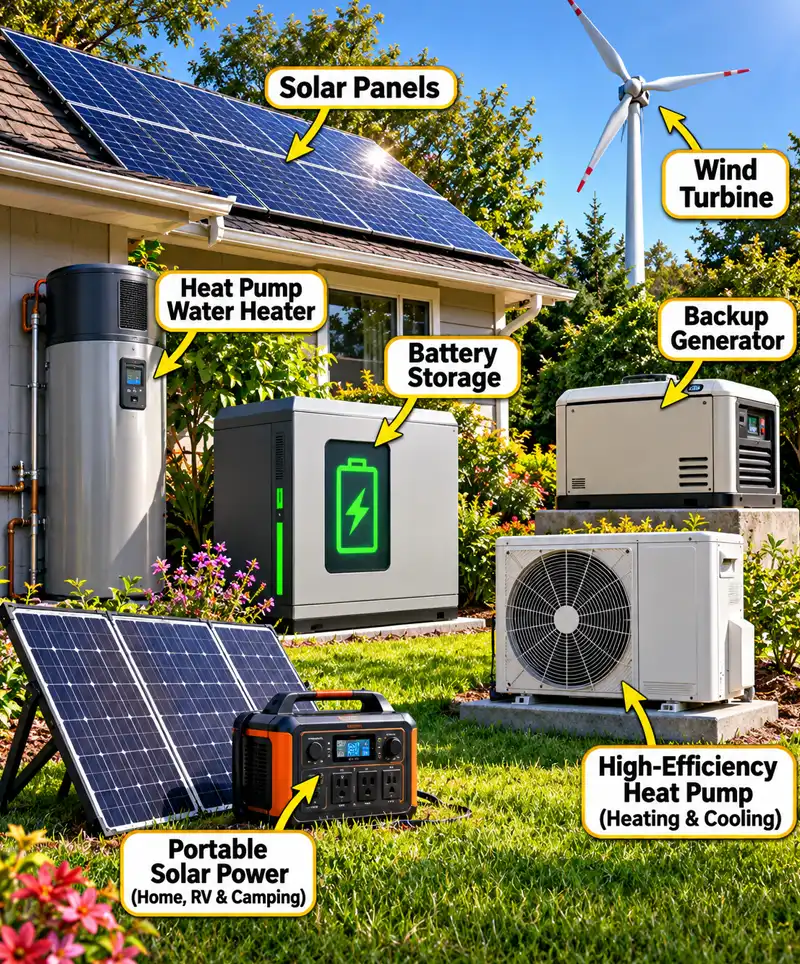
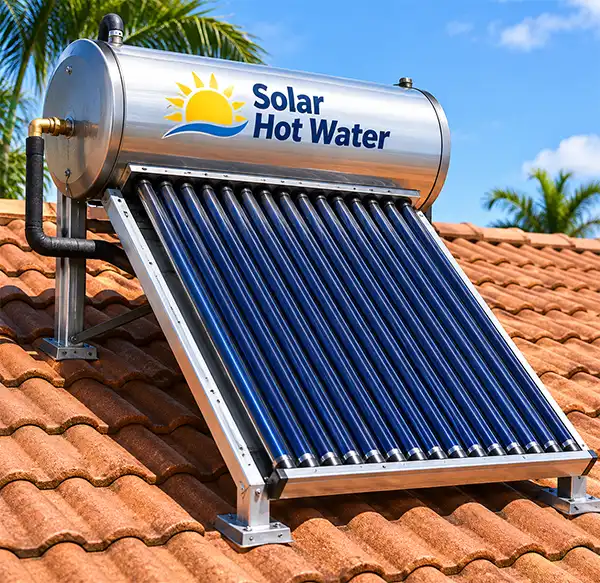
When replacing an aging water heater, homeowners may wish to investigate energy-efficient alternatives such as heat pump water heaters, high-efficiency storage systems, and appropriately sized tankless units. Each technology has advantages and limitations depending on installation conditions, household demand, climate, and available energy sources. Heat pump water heaters can be particularly efficient in suitable locations because they transfer heat rather than generating all of it directly. However, installation costs and site requirements should be considered before making a purchase. An expensive appliance that promises enormous savings is not automatically a bargain, particularly if its installation requires rebuilding half the utility room.
Phantom Power: The Electricity You're Paying for While Doing Absolutely Nothing
Some electronic devices continue consuming electricity even when they appear to be switched off. This phenomenon is commonly known as standby power, phantom power, or vampire energy. Televisions, gaming consoles, computers, printers, entertainment systems, chargers, and other equipment may draw small amounts of electricity to maintain clocks, network connections, remote-control receivers, or other functions. Individually, these energy requirements may be modest, but they can accumulate across numerous devices operating throughout the year.
Smart power strips and accessible switches can help eliminate unnecessary standby consumption from selected devices. Unplugging equipment that is rarely used may also provide savings, although devices requiring continuous operation should remain connected. Refrigerators, medical equipment, security systems, internet routers, and other essential devices should not be disconnected merely to reduce electricity consumption. The same caution applies to equipment that requires regular updates or provides important household services. Saving a few cents on electricity is not particularly impressive if the resulting inconvenience requires three hours of technical support and an apology to everyone in the house.
Homeowners interested in identifying phantom power can use suitable plug-in electricity monitors to measure consumption from individual appliances. These devices display energy use and may help reveal equipment that consumes more electricity than expected. Understanding actual consumption is preferable to guessing, particularly when considering whether an appliance should be replaced or disconnected. It also provides an excellent opportunity to discover which household member has secretly been operating a miniature entertainment center in the spare bedroom.
Home Energy Audits: Finding Out Where Your Money Is Escaping
A home energy audit, sometimes called a home energy assessment, evaluates how efficiently a building uses energy and identifies opportunities for improvement. Professional assessments may examine insulation, heating and cooling systems, air leakage, ventilation, appliances, and other factors affecting household energy consumption. Some auditors use specialized equipment such as blower doors and infrared cameras to identify problems that are difficult to detect through ordinary observation. The resulting recommendations can help homeowners prioritize improvements according to expected savings, installation costs, and building conditions.
Not every energy assessment requires an immediate financial investment. Homeowners can begin with a basic review of utility bills, visible insulation, window seals, appliance condition, and heating or cooling equipment maintenance. Many utility companies provide energy-saving information, online assessment tools, or customer assistance programs. Some also offer professional assessments or rebates, although eligibility and availability vary by location and provider. A useful starting point is the U.S. Department of Energy's Energy Saver program, which provides information about improving household efficiency.
The greatest advantage of an energy audit is that it replaces assumptions with evidence. Rather than spending thousands of dollars on improvements that may produce limited benefits, homeowners can identify the areas most likely to reduce energy consumption. In some houses, additional attic insulation may be particularly valuable; in others, leaking ductwork or an inefficient air conditioner may be the primary concern. It is rather like investigating a mysterious disappearance from your bank account, except the chief suspects are usually hiding in the attic instead of fleeing the country.
Saving Energy in Apartments, Rental Homes, and RVs
Energy conservation is not limited to homeowners with large houses and generous renovation budgets. Apartment residents and renters can often reduce electricity consumption through everyday habits, efficient lighting, appropriate thermostat settings, and careful appliance use. Where permitted, removable weatherstripping, suitable window coverings, and other inexpensive improvements may also increase comfort. Tenants should obtain permission before making alterations to building systems and should report malfunctioning equipment or significant air leaks to property managers. Even without ownership of the building, understanding energy consumption can help renters avoid unnecessary expenses.
Recreational vehicles and mobile homes present additional energy-saving challenges because their construction, insulation, and heating and cooling systems differ from conventional houses. Limited wall thickness, large windows, roof exposure, and compact interior spaces can influence indoor temperatures. Suitable window coverings, careful ventilation, properly maintained air-conditioning equipment, and attention to weather seals can help reduce energy consumption. RV owners should also understand the electrical capacity of their equipment and campground connections, avoiding overloaded circuits and unsafe modifications. A small living space can be wonderfully efficient, provided the air conditioner isn't spending its entire working life trying to refrigerate the surrounding countryside.
Businesses Can Reduce Energy Costs, Too
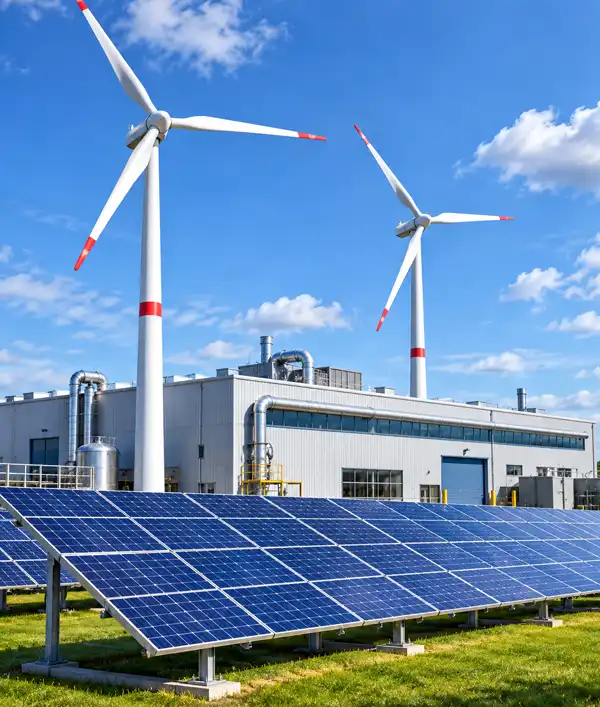
National Cut Your Energy Costs Day also encourages businesses to examine their operating expenses. Commercial buildings may consume substantial amounts of energy through lighting, heating, cooling, refrigeration, computers, manufacturing equipment, and other systems. Even modest improvements can produce worthwhile savings when applied across large buildings or numerous locations. Business owners can begin by reviewing utility statements, identifying equipment that operates unnecessarily outside business hours, and ensuring that heating and cooling systems receive appropriate maintenance.
Occupancy sensors, programmable lighting controls, efficient refrigeration equipment, improved insulation, and modern heating and cooling systems can help reduce commercial energy consumption. Larger facilities may benefit from professional energy management services that analyze equipment performance and recommend improvements. Employees can also contribute by switching off unnecessary equipment, reporting malfunctioning systems, and following sensible workplace energy policies. Of course, management should avoid confusing efficiency with discomfort. Turning off the air conditioning during a Florida summer might reduce electricity consumption temporarily, but the resulting employee rebellion could prove considerably more expensive.
How to Celebrate National Cut Your Energy Costs Day
Celebrating National Cut Your Energy Costs Day begins with a simple decision: identify at least one way to reduce unnecessary energy consumption and put it into practice. Review recent utility bills, inspect household lighting, check heating and cooling filters, and consider whether thermostat settings could be adjusted without sacrificing comfort. Examine doors and windows for obvious drafts, investigate aging appliances, and identify electronic equipment that consumes electricity unnecessarily. These activities require relatively little time, yet they can reveal opportunities for savings that continue throughout the year.
Families can make the occasion more entertaining by organizing a household energy-saving challenge. Encourage everyone to identify practical improvements, compare electricity consumption from month to month, and celebrate measurable reductions. Children can learn about energy conservation by understanding why lights should be switched off when rooms are empty and why exterior doors should not remain open while heating or air conditioning is running. Adults can participate by resisting the temptation to purchase unnecessary gadgets that promise to save electricity while requiring three additional devices, two subscriptions, and a permanent internet connection.
The day is also an excellent opportunity to explore available utility assistance programs, energy efficiency incentives, and professional home assessments. Some improvements may qualify for rebates or financial assistance, depending on location and current program rules. Before making expensive purchases, compare installation costs, expected energy savings, equipment lifespan, and available incentives. A carefully considered improvement can provide years of benefits, while an impulsive purchase may accomplish little beyond making the salesperson's January considerably more enjoyable.
Most importantly, remember that National Cut Your Energy Costs Day is intended to encourage lasting improvements rather than a single day of heroic deprivation. Switching off every appliance for twenty-four hours might produce an impressive reduction in electricity consumption, but it could also leave the family sitting in darkness, eating warm leftovers, and wondering why nobody thought this through. Sustainable energy savings come from sensible habits, efficient equipment, and improvements that make everyday life more comfortable and affordable.
National Cut Your Energy Costs Day: Keep the Comfort, Lose the Waste
National Cut Your Energy Costs Day reminds us that saving electricity, reducing heating expenses, and improving energy efficiency do not have to involve major sacrifices. Many of the most effective improvements begin with ordinary household decisions: maintaining equipment, preventing unnecessary heat loss, selecting efficient lighting, and understanding where energy is being consumed. Larger investments, such as improved insulation or upgraded heating and cooling systems, can provide additional benefits when carefully selected for the building and its occupants.
The observance also demonstrates how financial responsibility and environmental awareness can work together. Reducing unnecessary energy consumption can lower household expenses while decreasing demand for electricity and other energy resources. Whether the motivation is protecting the family budget, improving comfort, or reducing environmental impact, the benefits are worth exploring.
So, on January 10, celebrate National Cut Your Energy Costs Day by examining your utility bills, making a few practical improvements, and encouraging everyone in the household to participate. You may discover that saving money is easier than expected, particularly when small changes become everyday habits.
And if the family complains about being reminded to switch off unnecessary lights, simply explain that you're not being difficult. You're celebrating an international observance.
That should settle the argument. Or, at the very least, give everyone something new to complain about.
City of Thomasville – National Cut Your Energy Costs Day — Canadian origins and international observance. U.S. Department of Energy – Celebrate National Cut Your Energy Costs Day — Energy-saving recommendations. National Day Calendar – National Cut Your Energy Costs Day — Annual observance and activities. U.S. Department of Energy – Energy Saver — Household energy efficiency guidance. ENERGY STAR — Efficient appliances, lighting, and equipment. Retail Energy Supply Association – Consumer Energy-Saving Guide — Practical conservation recommendations.References & Sources