
A Spicy Celebration of History, Flavor, and Everything Nice
There's something wonderfully comforting about cinnamon. One whiff can transport you to Grandma's kitchen, a freshly baked apple pie, or a bakery where the cinnamon rolls are practically begging to be adopted. National Cinnamon Day, celebrated annually on November 1, honors the fragrant spice that has been warming kitchens, tempting taste buds, and making otherwise ordinary oatmeal worth getting out of bed for. From ancient trading routes to modern holiday baking, cinnamon has enjoyed a remarkable journey. And unlike most celebrities, it has managed to remain popular for thousands of years without a single embarrassing interview.
A Spice Worth Celebrating
National Cinnamon Day celebrates one of the world's oldest and most recognizable spices. Whether sprinkled over buttered toast, stirred into hot chocolate, added to a fragrant curry, or baked into a delicious dessert, cinnamon brings a distinctive warmth and sweetness to countless recipes. Its versatility has made it a favorite in kitchens across the globe, where it performs the impressive culinary trick of making both sweet and savory dishes taste better.
Although cinnamon is particularly associated with autumn and winter baking in the United States, its popularity extends far beyond the holiday season. Around the world, cooks use cinnamon in everything from Moroccan tagines and Indian biryanis to Mexican chocolate and Scandinavian pastries. In some countries, cinnamon is primarily associated with desserts, while in others, it plays an essential role in savory cooking. The spice itself doesn't particularly care which side of the menu it appears on, provided someone remembers to invite it.
National Cinnamon Day is also an opportunity to appreciate the remarkable history, cultivation, and cultural significance of cinnamon. Behind that familiar little jar in the spice cabinet lies a story involving ancient civilizations, valuable trading commodities, international exploration, and centuries of culinary experimentation. For something that usually costs only a few dollars at the supermarket, cinnamon has certainly lived an interesting life.

The History of National Cinnamon Day
While cinnamon itself has been flavoring foods, filling kitchens with wonderful aromas, and tempting people into eating just one more cookie for thousands of years, National Cinnamon Day is a much more recent addition to the American calendar. The celebration was established in 2019 by McCormick & Company, the Maryland-based spice and flavoring manufacturer whose products have occupied American kitchen cabinets for generations. Working with National Day Calendar, McCormick introduced November 1 as National Cinnamon Day, creating an annual occasion dedicated to one of the world's most recognizable and versatile spices. Apparently, someone finally realized that cinnamon had been doing an excellent job for centuries without receiving so much as an employee appreciation luncheon.
The selection of November 1 was hardly accidental. Falling immediately after Halloween, National Cinnamon Day arrives just as American households begin preparing for Thanksgiving, Christmas, and the busy holiday baking season. Pumpkins have barely finished their annual appearance on front porches before attention turns to apple pies, cinnamon cookies, spiced beverages, and other comforting seasonal favorites. Cinnamon is a particularly appropriate ingredient to celebrate at this time of year because its warm, familiar fragrance has become closely associated with family gatherings, traditional recipes, and holiday memories. McCormick recognized this seasonal connection and used the new observance to encourage home cooks to explore cinnamon's remarkable culinary versatility. It was a clever bit of timing, considering that November is when many Americans begin treating their ovens like full-time employees.
The original National Cinnamon Day celebration was considerably more elaborate than simply encouraging people to sprinkle a little extra cinnamon over their breakfast. To mark the inaugural observance on November 1, 2019, McCormick partnered with internationally acclaimed French pastry chef Dominique Ansel, the creator of the famous Cronut, to develop a special cinnamon-inspired confection. The result was a limited-edition collection of Cinnamon Brown Sugar Animal Crackers, individually decorated and presented in keepsake metal boxes alongside bottles of ground cinnamon. These exclusive treats were offered at Dominique Ansel Bakery in New York City for one day only, beginning at 8 a.m. Customers could purchase them while supplies lasted, providing an unusual opportunity to celebrate a spice with a little help from one of the world's most inventive pastry chefs. Considering that animal crackers are normally associated with childhood lunchboxes, this was quite a promotion. The humble little cookies had suddenly acquired a celebrity chef, designer packaging, and a public relations campaign.
McCormick also introduced an amusing twist to the festivities by launching a nationwide search for people actually named Cinnamon. The company invited individuals bearing the unusual first name to join the celebration, share their stories, and enjoy special recognition during the inaugural event. Those named Cinnamon were even offered a special place in line at Dominique Ansel Bakery, allowing them to sample the limited-edition treats ahead of other customers, subject to availability. It was a delightfully unconventional marketing idea that brought together a popular kitchen ingredient and people who had spent their lives answering questions about whether Cinnamon was really their name. For once, having a name that sounded like something from the baking aisle came with genuine privileges. Somewhere, a person named Nutmeg was probably wondering why nobody had called.
The establishment of National Cinnamon Day also reflected cinnamon's extraordinary popularity in American households. According to market research cited by National Day Calendar, cinnamon was the most frequently purchased holiday spice in 2018, demonstrating its importance to seasonal cooking and baking. McCormick's campaign emphasized that cinnamon was often the overlooked ingredient behind other popular seasonal flavors, particularly pumpkin spice blends, which had attracted considerable attention in coffee shops, bakeries, and supermarkets. While pumpkin spice was enjoying its annual celebrity treatment, cinnamon was quietly doing much of the work behind the scenes. It was rather like discovering that the famous lead singer couldn't perform without the hardworking musicians standing behind him.
Since its establishment, National Cinnamon Day has provided an annual opportunity for food enthusiasts to celebrate the spice through baking, cooking, recipe sharing, and family traditions. National Day Calendar officially recognizes November 1 as the recurring observance, encouraging participants to share their favorite cinnamon recipes and memories using the hashtag #NationalCinnamonDay. Unlike some food celebrations devoted to a single dish, National Cinnamon Day embraces an entire world of culinary possibilities, from traditional American desserts to international savory specialties. Its relatively recent origins also demonstrate how modern food holidays can build upon centuries-old traditions, introducing familiar ingredients to new generations of enthusiastic cooks.
Ultimately, the history of National Cinnamon Day is a charming combination of commercial creativity, culinary appreciation, and genuine affection for a beloved spice. What began as a 2019 promotional initiative became an annual celebration of an ingredient that had already earned its place in kitchens around the world. Cinnamon may have waited thousands of years to receive its own American food holiday, but it has certainly made up for lost time.
And if the other spices in the cupboard are feeling neglected, perhaps they should consider hiring a better publicist
Cinnamon's Ancient History: When Spice Was Worth a Fortune
Long before cinnamon became an inexpensive supermarket staple, it was an exotic and highly prized commodity. Ancient civilizations valued the spice for its distinctive fragrance, culinary applications, and traditional medicinal uses. Cinnamon was known throughout parts of Asia and the Mediterranean world, and its trade helped connect distant regions through elaborate commercial networks. Ancient Greek and Roman writers discussed the mysterious origins of cinnamon, while merchants often guarded information about its sources. Imagine paying a small fortune for something that your descendants would eventually sprinkle over breakfast cereal without a second thought.
Arab traders played an important role in bringing cinnamon into Mediterranean markets, where it became associated with wealth and luxury. During the Middle Ages, Venetian merchants developed considerable influence over the European spice trade, helping make cinnamon a desirable ingredient among wealthy households. European demand for valuable spices contributed to the search for direct maritime trading routes to Asia. Cinnamon was not the only reason explorers ventured across unfamiliar oceans, but it certainly belonged to the group of commodities that made those dangerous voyages financially attractive.
Sri Lanka, historically known as Ceylon, became particularly important to the international cinnamon trade because of its native Ceylon cinnamon trees. Portuguese traders established a presence on the island during the early 16th century, followed by Dutch colonial control and eventually British rule. Competition over cinnamon production and trade contributed to centuries of economic exploitation and colonial conflict. The history of this seemingly innocent kitchen ingredient therefore includes considerable political intrigue, commercial rivalry, and human hardship. Today, cinnamon is widely available and relatively affordable, making it much easier to enjoy without needing to finance an expedition or negotiate with a European monarch.
Where Does Cinnamon Come From?
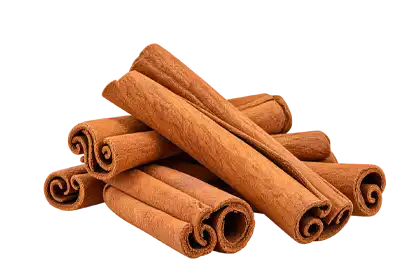
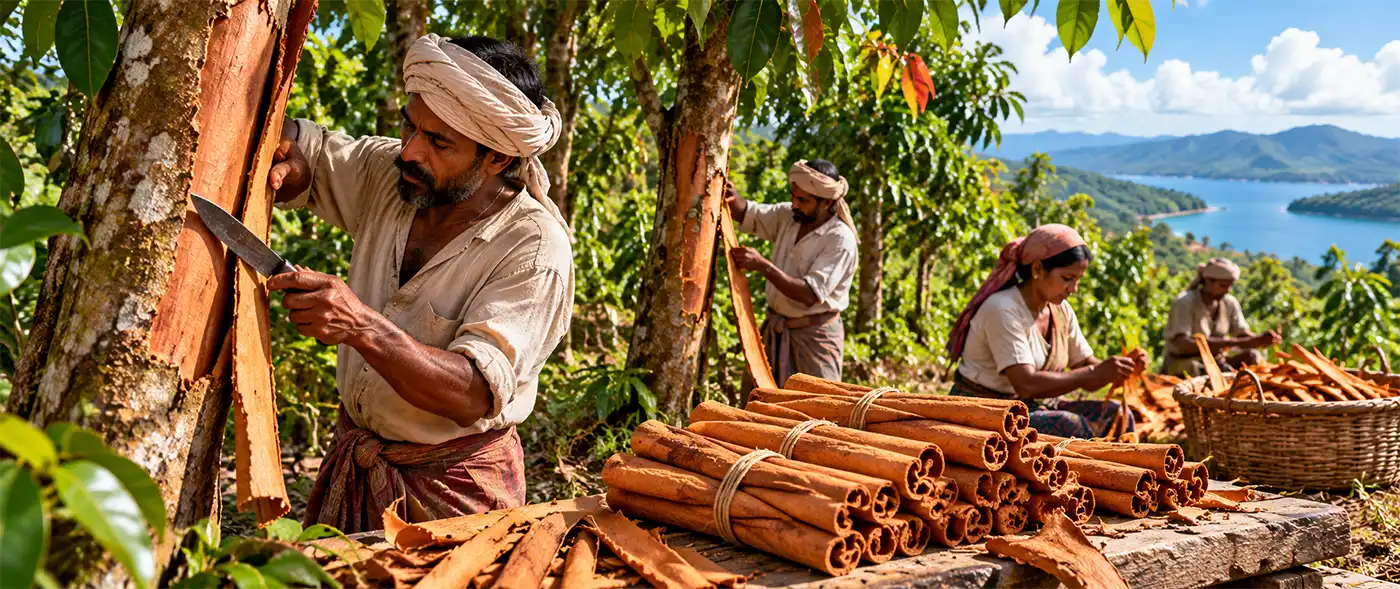
One of the most surprising facts about cinnamon is that it comes from the bark of trees rather than from seeds, flowers, or fruit. Cinnamon trees belong to the genus Cinnamomum, a group of evergreen trees and shrubs in the laurel family. To produce the spice, growers harvest sections of bark from suitable shoots or branches and carefully remove the outer bark to expose the aromatic inner layer. As the prepared bark dries, it naturally curls into the familiar rolled shapes known as cinnamon sticks or quills. These can be sold whole or ground into the fine brown powder found in kitchen spice cabinets around the world.
Cinnamon production requires considerable skill, particularly when preparing the delicate layers used for high-quality Ceylon cinnamon. Experienced peelers carefully separate thin strips of inner bark, which are assembled and dried to create slender, tightly rolled quills. The process is labor-intensive, and the quality of the finished spice depends on factors including the species, growing conditions, harvesting techniques, and processing methods. It's a fascinating example of traditional agricultural craftsmanship, especially when you consider that most consumers simply open a jar, shake some powder onto their toast, and complain when too much comes out.
Ceylon Cinnamon vs. Cassia Cinnamon: What's the Difference?
Although shoppers frequently encounter products labeled simply as cinnamon, several different species are sold under that familiar name. The two principal categories are Ceylon cinnamon and cassia cinnamon, and they differ in appearance, flavor, chemical composition, and geographical origin. Ceylon cinnamon, scientifically known as Cinnamomum verum, is sometimes called true cinnamon and is closely associated with Sri Lanka. It generally has a delicate, subtly sweet flavor and a lighter aroma. Its thin, papery bark forms multiple delicate layers, making Ceylon cinnamon sticks relatively easy to crumble.
Cassia cinnamon, which includes several commercially important Cinnamomum species, tends to have a stronger, more assertive flavor. It is commonly used in American baking and is generally less expensive than Ceylon cinnamon. Cassia sticks are usually thicker, harder, and darker, with a more substantial curl. Varieties include Chinese cassia, Indonesian cinnamon, and Vietnamese or Saigon cinnamon, each possessing somewhat different aromatic characteristics. Cassia's bold flavor makes it particularly suitable for cinnamon cookies, apple desserts, spiced beverages, and other recipes where the spice is expected to announce its arrival rather than politely knock on the door.
The choice between Ceylon and cassia cinnamon often depends on personal preference and the intended recipe. Bakers seeking a powerful cinnamon flavor may favor cassia, while cooks preparing delicate desserts or subtly seasoned dishes may prefer Ceylon cinnamon. Both varieties have legitimate culinary uses, and neither needs to be considered universally superior. After all, a cinnamon roll made with cassia is hardly going to file a complaint because its filling wasn't prepared with a more expensive alternative.
Why Does Cinnamon Smell and Taste So Wonderful?
Cinnamon owes much of its distinctive aroma and flavor to an aromatic compound called cinnamaldehyde, which occurs naturally in cinnamon bark. This compound contributes the warm, sweet, slightly spicy sensation that makes cinnamon instantly recognizable. Other naturally occurring compounds help create the differences between cinnamon varieties, producing subtle notes that may seem woody, floral, peppery, or even reminiscent of cloves. The resulting combination gives cinnamon an unusually complex flavor profile for an ingredient that looks suspiciously like ordinary brown dust.
Interestingly, cinnamon can make foods seem sweeter even when it contains no added sugar. Its familiar aroma and association with sweet foods can enhance the perception of sweetness, making it a useful flavoring for oatmeal, fruit, coffee, and other dishes. However, cinnamon itself is not a sugar substitute, and adding it to a heavily sweetened dessert does nothing to eliminate the sugar already present. That would be a wonderful discovery, particularly for anyone hoping that an extra sprinkle could magically transform a cinnamon roll into a health food.
Cinnamon Around the World: One Spice, Countless Traditions
Cinnamon enjoys an international culinary reputation that few other spices can match. In the United States, it is closely associated with apple pie, pumpkin pie, cinnamon toast, snickerdoodle cookies, French toast, and holiday desserts. Across northern Europe, cinnamon appears in traditional pastries and baked goods, including Swedish cinnamon buns, German Christmas cookies, and various Danish and Norwegian treats. In Mexico, cinnamon is used to flavor beverages, desserts, and chocolate preparations, often with the delicate characteristics of Ceylon cinnamon playing an important role.
In Indian cuisine, cinnamon is an essential component of numerous spice mixtures, including certain versions of garam masala, and frequently appears in rice dishes, curries, and slow-cooked preparations. Moroccan cooks incorporate cinnamon into tagines, couscous dishes, and recipes combining meat with dried fruits, creating a distinctive balance of savory and sweet flavors. Middle Eastern cuisines also use cinnamon in meat dishes, rice preparations, and traditional sweets. These international applications demonstrate that cinnamon's culinary abilities extend far beyond the American dessert table. It is perfectly capable of accompanying dinner without demanding that someone bring out the whipped cream.

Cinnamon and the Holiday Season
Few ingredients are as strongly associated with holiday memories as cinnamon. Its fragrance frequently appears in kitchens during Thanksgiving and Christmas, when families prepare traditional baked goods, warm beverages, and festive meals. Cinnamon is a familiar ingredient in pumpkin spice blends, alongside spices such as ginger, nutmeg, cloves, and allspice. It also contributes to the comforting aroma of mulled apple cider, spiced tea, and holiday cookies. For many people, the scent of cinnamon brings back memories of family gatherings, homemade treats, and childhood celebrations.
National Cinnamon Day falls on November 1, making it a particularly appropriate occasion to begin planning seasonal baking. The observance offers an opportunity to revisit cherished family recipes, experiment with different cinnamon varieties, or introduce younger family members to traditional cooking techniques. Children can help prepare cinnamon-sugar mixtures, decorate cookies, or assist with age-appropriate baking activities. Of course, any adult supervising children in a kitchen should understand that a significant portion of the cinnamon sugar may mysteriously disappear before reaching the intended recipe.
Cinnamon and Health: Separating Facts From Folklore
Cinnamon has been used in traditional medicinal practices for centuries, particularly in parts of Asia and the Middle East. Historical applications included attempts to address digestive complaints, respiratory ailments, and other health concerns. Modern researchers have investigated whether cinnamon or its naturally occurring compounds might influence blood glucose regulation, inflammation, and other biological processes. Although some studies have reported potentially interesting findings, the overall scientific evidence remains inconsistent, and high-quality research has not established cinnamon as an effective treatment for diabetes or other medical conditions.
According to the National Institutes of Health's National Center for Complementary and Integrative Health, cinnamon is generally safe when consumed in ordinary culinary quantities. However, large amounts or prolonged use of certain cinnamon supplements can present risks. Cassia cinnamon contains coumarin, a naturally occurring compound that may cause liver problems in susceptible individuals when consumed excessively. Ceylon cinnamon generally contains much lower amounts of coumarin. Anyone considering concentrated cinnamon supplements, particularly while taking medication or managing a medical condition, should seek appropriate medical advice.
The sensible approach is to enjoy cinnamon primarily for what it does exceptionally well: making food taste wonderful. Sprinkling a little cinnamon over oatmeal or adding it to a homemade fruit dessert can contribute flavor without requiring additional sugar. However, cinnamon should never be regarded as a substitute for prescribed medication, balanced nutrition, or appropriate medical care. And consuming dry spoonfuls of cinnamon as part of an internet challenge is genuinely dangerous, because inhaling the powder can cause serious respiratory harm. Some culinary experiments are best left permanently unattempted.
How to Celebrate National Cinnamon Day
Celebrating National Cinnamon Day doesn't require elaborate preparations, expensive ingredients, or a formal invitation from the National Cinnamon Appreciation Committee, assuming such a committee hasn't already convened somewhere with a plate of cookies. The simplest approach is to prepare a favorite cinnamon-flavored recipe and share it with family or friends. Homemade apple pie, cinnamon toast, spiced muffins, oatmeal cookies, or a steaming mug of cinnamon-infused hot chocolate can all provide a delicious reason to participate. Those who enjoy baking might experiment with Ceylon cinnamon and cassia cinnamon to discover how their different flavors influence familiar recipes.
For a more adventurous celebration, explore cinnamon's savory possibilities by preparing a Moroccan-inspired tagine, an Indian rice dish, or a gently spiced meat stew. You could also organize a cinnamon-themed tasting featuring different baked goods, beverages, and cinnamon varieties. Families with children might enjoy making cinnamon-scented decorations or learning how the spice is harvested and processed. Sharing photographs, recipes, and culinary discoveries on social media using #NationalCinnamonDay can help introduce others to the observance and encourage some delicious experimentation.
National Cinnamon Day also provides a natural opportunity to revisit another delicious celebration: Cinnamon Roll Day, celebrated on October 4. While Cinnamon Roll Day gives a particular pastry its well-deserved moment in the spotlight, National Cinnamon Day recognizes the spice behind countless culinary favorites. It's rather like honoring a famous actor one month and then celebrating the entire profession the next. Fortunately, cinnamon doesn't demand a dressing room, a personal assistant, or a bowl of exclusively green candies.
Fascinating Cinnamon Facts
Cinnamon has accumulated more than its fair share of unusual stories and interesting characteristics throughout its long history. Here are a few facts to impress your friends, entertain the family, or casually mention while reaching for another cookie.
- It's tree bark! Cinnamon is made from the aromatic inner bark of Cinnamomum trees.
- Ancient luxury: Cinnamon was once an expensive commodity in Mediterranean markets.
- Naturally curly: Cinnamon sticks curl as the prepared bark dries.
- Two main types: Ceylon and cassia are the best-known commercial cinnamon varieties.
- Sri Lankan specialty: Sri Lanka is renowned for producing Ceylon cinnamon.
- Flavor chemistry: Cinnamaldehyde provides much of cinnamon's characteristic aroma.
- Not just desserts: Cinnamon appears in curries, meat dishes, rice, and savory stews.
- A modern celebration: National Cinnamon Day was established in 2019.
One Final Sprinkle of Cinnamon
National Cinnamon Day reminds us that some of the most familiar ingredients have extraordinary histories. From ancient spice merchants and international trading routes to traditional family recipes and modern bakeries, cinnamon has traveled an impressive distance to reach our kitchens. Its ability to complement sweet and savory dishes, inspire holiday traditions, and create memorable aromas has secured its place among the world's most appreciated spices.
So, on November 1, reach for the cinnamon jar, prepare something delicious, and take a moment to appreciate the remarkable ingredient responsible for so many comforting flavors. Whether you're baking an apple pie, preparing a savory dinner, or simply adding a little warmth to your morning coffee, National Cinnamon Day offers an excellent excuse to enjoy this timeless spice.
And if someone asks why you've added cinnamon to practically everything today, simply explain that you're participating in an important cultural observance.
It sounds much more respectable than admitting you've eaten six snickerdoodles before lunch.