
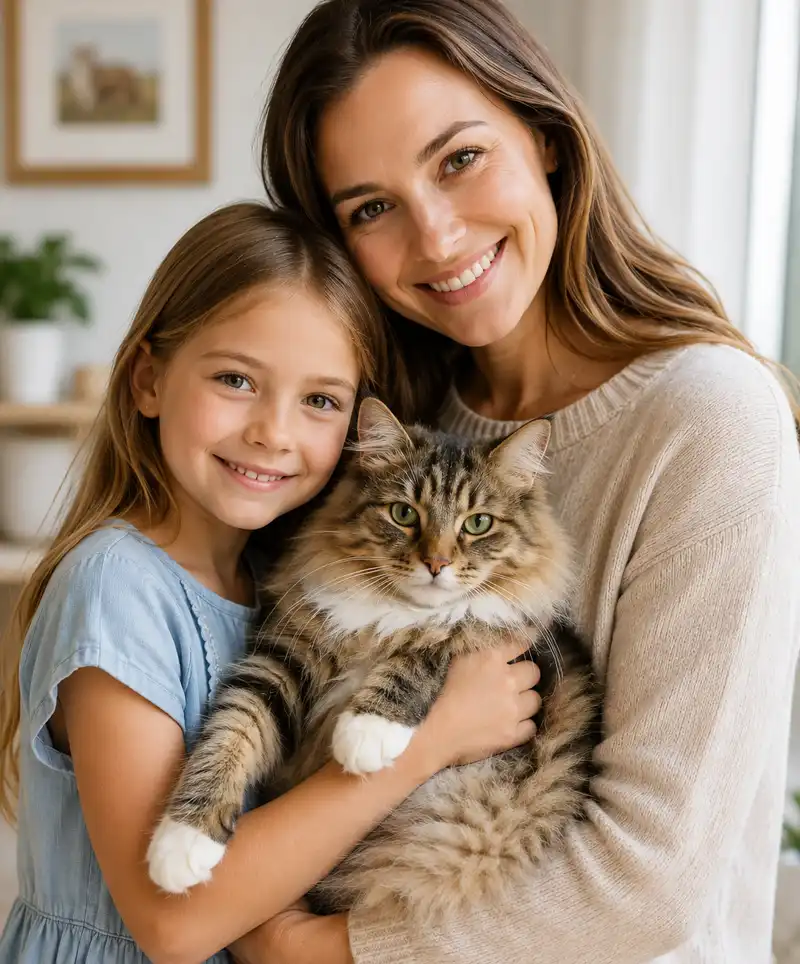
Celebrating the Tiny Predator Sleeping on Your Keyboard
Cats have mastered the art of looking perfectly calm while secretly causing chaos at three in the morning. One minute they are elegant, graceful creatures worthy of ancient worship, and the next they are sprinting across the hallway because a dust particle offended them personally. National Cat Health Month celebrates the importance of keeping cats healthy, active, and well cared for—even if they continue pretending they own the house and you are merely the unpaid staff member responsible for opening cans.
What Is National Cat Health Month?
National Cat Health Month is observed every February and focuses on promoting proper feline care, veterinary checkups, nutrition, exercise, and disease prevention for cats of all ages. The observance encourages cat owners to pay closer attention to their pets’ overall well-being and to recognize early signs of illness before small problems become serious.
Cats are among the most popular pets in the United States, with millions of households sharing their homes with at least one feline companion. Despite their reputation for independence, cats require regular healthcare, quality nutrition, clean living environments, and mental stimulation to remain healthy.
The month also helps educate pet owners about responsible cat ownership, including vaccinations, dental care, grooming, weight management, and indoor safety. Because apparently, cats cannot always be trusted to make wise life decisions on their own, especially when they believe jumping from the top of the refrigerator is an excellent strategy.
A Brief History of Domestic Cats
Domestic cats have shared their lives with humans for thousands of years, though historians strongly suspect cats still consider the arrangement temporary and subject to renegotiation. Most researchers believe cats were first domesticated around 9,000 years ago in the Near East, where early farming communities stored grain that attracted mice and rats. Wildcats quickly discovered that humans were accidentally operating an all-you-can-eat rodent buffet, and a mutually beneficial relationship began.
Unlike dogs, which humans actively trained and bred for specific tasks, cats more or less invited themselves into human civilization and decided to stay. Early people appreciated their hunting abilities, while cats appreciated the reliable food supply and warm places to nap. It was one of history’s earliest examples of “You scratch my back, I’ll ignore you unless I feel like cuddling.”
Cats became especially important in Ancient Egypt, where they were admired for protecting grain stores and reducing disease-carrying pests. Egyptians associated cats with grace, protection, and fertility, and harming a cat could bring severe punishment. Some cats were even mummified and buried alongside their owners. Modern cats, meanwhile, honor this rich heritage by screaming for food at 4:30 in the morning and then refusing to eat it.
As trade routes expanded, cats spread across Europe, Asia, and the Middle East aboard merchant ships. Sailors valued cats for controlling rats that damaged cargo and spread disease. Ship cats became common companions at sea, earning reputations as lucky mascots while also serving as hardworking rodent hunters. A cat on a ship was often treated better than some crew members, largely because the cat was less likely to complain about the food.
By the Middle Ages, cats had become common household animals throughout much of Europe, although their reputation occasionally suffered due to superstition and folklore. In some regions, cats—especially black cats—became associated with bad luck or witchcraft. Fortunately, common sense eventually returned, and people remembered that cats were extremely useful creatures with excellent pest-control skills and a remarkable ability to nap in patches of sunlight for sixteen hours straight.
During the 19th and 20th centuries, cats increasingly became valued as companion animals rather than simply working mousers. Cat shows, organized breeding programs, and veterinary medicine helped shape the modern world of cat ownership. Today, domestic cats are among the most popular pets worldwide, living everywhere from city apartments to rural farms.
Despite thousands of years of domestication, modern house cats still retain many of the instincts of their wild ancestors. They stalk moving objects, defend territory, climb impossible places, and stare at absolutely nothing in ways that make homeowners question their life choices. In many ways, cats have changed very little over the centuries. They simply traded desert hunting grounds for living rooms, windowsills, and complete control of the household furniture.
As trade routes expanded, cats spread across Europe, Asia, and the Middle East aboard merchant ships. Sailors valued cats for controlling rats that damaged cargo and spread disease. Ship cats became common companions at sea, earning reputations as lucky mascots while also serving as hardworking rodent hunters. A cat on a ship was often treated better than some crew members, largely because the cat was less likely to complain about the food.
By the Middle Ages, cats had become common household animals throughout much of Europe, although their reputation occasionally suffered due to superstition and folklore. In some regions, cats—especially black cats—became associated with bad luck or witchcraft. Fortunately, common sense eventually returned, and people remembered that cats were extremely useful creatures with excellent pest-control skills and a remarkable ability to nap in patches of sunlight for sixteen hours straight.
During the 19th and 20th centuries, cats increasingly became valued as companion animals rather than simply working mousers. Cat shows, organized breeding programs, and veterinary medicine helped shape the modern world of cat ownership. Today, domestic cats are among the most popular pets worldwide, living everywhere from city apartments to rural farms.
Despite thousands of years of domestication, modern house cats still retain many of the instincts of their wild ancestors. They stalk moving objects, defend territory, climb impossible places, and stare at absolutely nothing in ways that make homeowners question their life choices. In many ways, cats have changed very little over the centuries. They simply traded desert hunting grounds for living rooms, windowsills, and complete control of the household furniture.
Why Cat Health Matters
Healthy cats tend to live longer, happier lives and experience fewer serious medical problems. Regular veterinary care can help identify conditions such as kidney disease, diabetes, arthritis, heart problems, and dental disease before they become severe.
Weight management is one of the biggest challenges facing modern house cats. Indoor cats often live comfortable lives filled with naps, snacks, and deep personal commitment to avoiding unnecessary movement. Without proper diet and exercise, obesity can lead to serious health complications.
Mental health also plays an important role in feline wellness. Cats benefit from toys, climbing areas, scratching posts, interactive play, and safe spaces where they can relax. A bored cat quickly becomes a creative cat, and that rarely ends well for curtains, furniture, or human ankles.
Common Health Issues in Cats
Several health concerns commonly affect domestic cats. Dental disease is widespread and can cause pain, infection, and difficulty eating if left untreated. Regular dental care and veterinary cleanings help prevent serious problems.
Hairballs are another familiar issue for many cat owners. Cats naturally swallow fur while grooming themselves, and excessive hair accumulation can sometimes lead to digestive problems.
Fleas, ticks, worms, and other parasites also pose health risks. Preventive medications help protect cats from infestations and disease. Vaccinations remain equally important, especially for kittens and outdoor cats that may encounter infectious illnesses.
Older cats may develop arthritis, vision problems, hearing loss, or kidney disease as they age. Senior cats benefit greatly from regular veterinary exams and careful monitoring of changes in appetite, behavior, and activity levels.
The Importance of Indoor Safety
Many veterinarians recommend keeping cats indoors to protect them from traffic, predators, disease, and harsh weather conditions. Indoor cats generally live longer than outdoor cats because they face fewer environmental dangers.
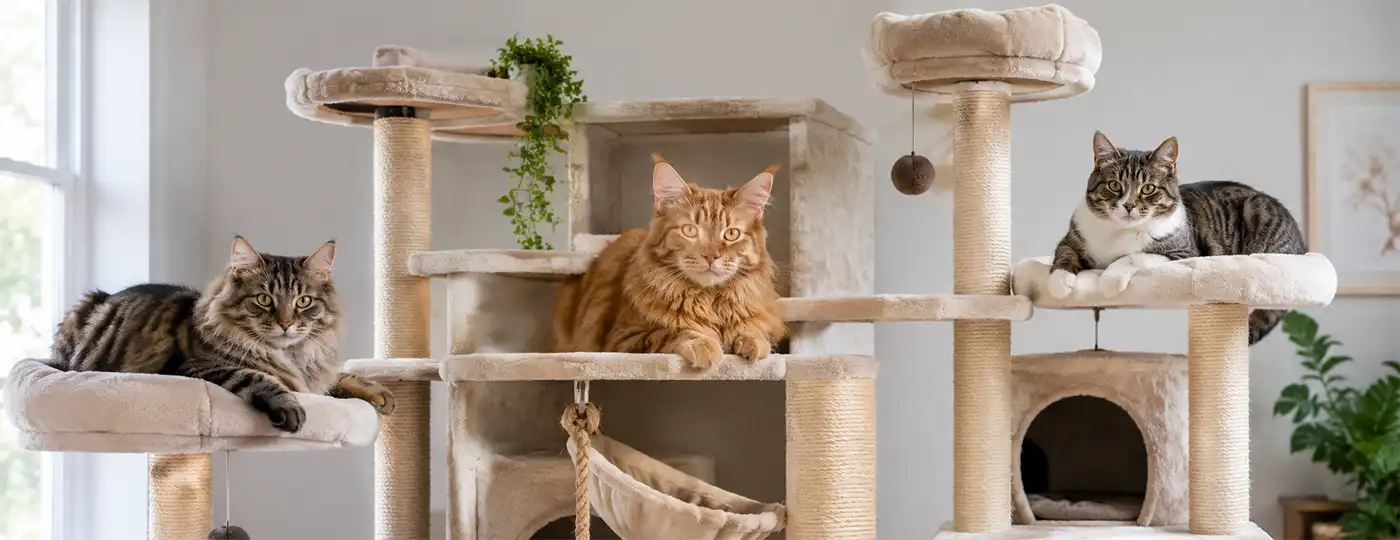
Indoor cats still need enrichment and exercise. Cat trees, climbing shelves, toys, window perches, and regular play sessions help satisfy natural instincts while keeping cats physically active.
Of course, cat owners also learn quickly that “cat-proofing” a house is an ongoing process. If there is a shelf, the cat will climb it. If there is a forbidden counter, the cat will absolutely visit it at 2 a.m. after making direct eye contact first.
Why National Cat Health Month Still Matters
National Cat Health Month reminds pet owners that cats are experts at hiding illness and discomfort. A cat may appear calm while quietly dealing with pain or medical issues, which is why regular checkups and observation are so important.
The observance also encourages stronger bonds between cats and their owners. Good healthcare, proper nutrition, and daily interaction help cats feel secure and comfortable in their environment.
In many homes, cats become beloved family members who provide companionship, stress relief, and endless entertainment. Even when they knock things off shelves for reasons known only to them, they remain deeply loved.
Fun Ways to Celebrate National Cat Health Month
Cat owners can celebrate by scheduling a veterinary wellness exam, updating vaccinations, or improving their cat’s diet and exercise routine.
Many people also use the month to donate food, blankets, or supplies to local animal shelters and rescue organizations. Adopting a cat from a shelter is another meaningful way to support feline welfare.
Simple activities such as brushing a cat, cleaning litter boxes more thoroughly, introducing new toys, or setting up climbing spaces can also improve a cat’s quality of life.
And yes, some cats will still respond to all this love and effort by staring at you with complete judgment while knocking a pen off the table.
Fun Facts About Cats
- Cats sleep an average of 12 to 16 hours each day.
- A group of cats is called a clowder.
- Cats can rotate their ears nearly 180 degrees.
- The world’s oldest known pet cat was discovered in Cyprus and dates back thousands of years.
- A cat’s purr may help promote healing and relaxation.
A Celebration for Our Feline Overlords
National Cat Health Month is ultimately a celebration of the animals that somehow managed to conquer human civilization without ever learning to pay rent. Cats may act independently, mysteriously, and occasionally be offended by our very existence, but they depend on responsible care to live long, healthy lives. This observance encourages cat owners to focus on proper nutrition, preventive healthcare, exercise, grooming, and safe living environments so their feline companions can thrive.
The month also serves as a reminder that cats are remarkably skilled at hiding illness. In the wild, showing weakness could make an animal vulnerable, and domestic cats still carry many of those instincts today. A cat may quietly endure pain or discomfort while continuing to sit in the same windowsill, pretending nothing is wrong. Regular veterinary visits, attention to behavior changes, and good preventive care can make a tremendous difference in catching health issues early.
National Cat Health Month also highlights the emotional bond between people and their pets. Cats provide companionship, comfort, entertainment, and stress relief for millions of people around the world. Even the most aloof cat often develops strong attachments to its favorite humans, although many prefer to express affection through slow blinks, head bumps, and aggressively sitting on keyboards during important work.
For families, cats often become deeply woven into daily life. They supervise cooking from the counter nobody wants them on, patrol the house at strange hours like tiny furry security guards, and somehow always know the exact moment a clean pile of laundry appears. Their routines become part of the household rhythm, bringing comfort and familiarity to everyday life.
The observance also encourages support for animal shelters, rescue organizations, and adoption programs that work to improve feline welfare. Millions of cats enter shelters each year, and National Cat Health Month helps raise awareness about responsible adoption, spaying and neutering, and long-term pet care commitments.
Perhaps most importantly, the celebration reminds people that caring for a cat is about more than simply providing food and water. Cats need stimulation, affection, healthcare, clean environments, and opportunities to express their natural instincts through play and exploration. A healthy cat is often more active, social, curious, and content.
Of course, even the healthiest and happiest cat will still occasionally sprint through the house at full speed for reasons beyond human understanding, stare at invisible ghosts in the hallway, or reject an expensive new toy in favor of the cardboard box it came in. Some traditions survive for thousands of years for a reason.