
Sunshine, Superstition, and Slightly Tipsy Folklore
Midsummer Day is the moment in the calendar when the sun seems to overstay its welcome, the flowers are in full bloom, and people in northern countries begin acting suspiciously happy. This is the day when tradition meets bonfires, ancient magic, and probably a fair bit of sunburn.
Despite its name, Midsummer Day doesn't land in the middle of summer (unless you’re in Scandinavia and measure seasons differently). It actually marks the traditional halfway point of the growing season and closely follows the summer solstice—the longest day of the year. So if you've ever wanted a day with enough daylight to mow the lawn, grill five meals, and chase chickens back into the coop before bed—this is it.
A Holiday Older Than Most Countries
Midsummer has roots that dig deep into pre-Christian, pagan, and folk traditions. Way back when, people noticed that the summer solstice brought the longest stretch of daylight. And being human, they did what humans do best: threw a party.
In pagan Europe, fire was the central theme. People lit massive bonfires to "strengthen the sun" as it began its descent toward the darker half of the year. Some would leap through the flames—either as a fertility ritual or because they’d already sampled too much ale.
Eventually, the Christian church decided to give this pagan party a makeover by aligning it with the feast of St. John the Baptist, landing it squarely on June 24th. Thus, Midsummer Day became the Christianized version of nature worship—same dancing, fewer druids.
Traditions That Blossom Like Wildflowers
Let’s break down a few Midsummer customs that still bloom around the world:
- Sweden: This is the big one. Swedes celebrate Midsummer Eve with flower crowns, maypole dancing, herring-eating, and more schnapps than you'd think polite. It’s second only to Christmas in national importance. Babies are born nine months later like clockwork.
- Estonia, Latvia, and Lithuania: Folks celebrate Jaanipäev, jumping over fires, singing folk songs, and allegedly searching the forest for magical ferns that only bloom on this night. (Spoiler: They don't.)
- United Kingdom: Think stone circles, Morris dancers, and people dressed like extras from a Renaissance fair. Stonehenge becomes a magnet for spiritual wanderers, druids, and the curious tourist who accidentally took the wrong exit on the A303.
- United States: While not widely celebrated here, Midsummer has seen a quiet revival through local festivals, neo-pagan observances, and folks who just want an excuse to throw a backyard solstice bash with fireflies and fairy lights.
The Science Behind the Sun Worship
Before calendars, clocks, or apps that remind you to hydrate, ancient people had to look up and use the sky to figure out what time of year it was—and nothing stood out quite like the summer solstice. It’s the longest day of the year in the Northern Hemisphere, when the sun reaches its highest point in the sky and hangs out like it’s got nowhere better to be.
Scientifically speaking, the solstice occurs because of the Earth’s axial tilt—23.5 degrees, give or take a wobble. As our planet orbits the sun, that tilt causes different parts of Earth to receive more direct sunlight at different times of the year. On or around June 21st, the North Pole is tilted as close to the sun as it's going to get, and the sun appears directly overhead at the Tropic of Cancer.
This means longer daylight hours, shorter nights, and a perfectly valid reason to go outside and stay there. It’s also the point where the days start getting shorter again—not that anyone wants to talk about that part while they're busy planning cookouts and moonlit mischief.
For ancient civilizations that relied on agriculture, tracking the sun wasn’t just curiosity—it was survival. The solstice marked the peak of planting season, a kind of cosmic green light saying, “Grow everything you can before the snow comes back with a vengeance.” No wonder they celebrated with fire, dancing, and a drink or two (or five) of whatever passed for alcohol back then.
Even today, the summer solstice is marked by celebrations at ancient monuments like Stonehenge, where the sun rises perfectly in line with the stones. Whether it’s coincidence, alien architects, or dedicated Neolithic farmers with a keen eye, it’s a powerful reminder that humans have always looked up and marveled at the sky.
So when your neighbor puts on a sun hat shaped like a pineapple and declares it’s Midsummer, just remember—he's participating in an ancient solar alignment tradition. Probably.
Magic, Mischief, and Midsummer Myths
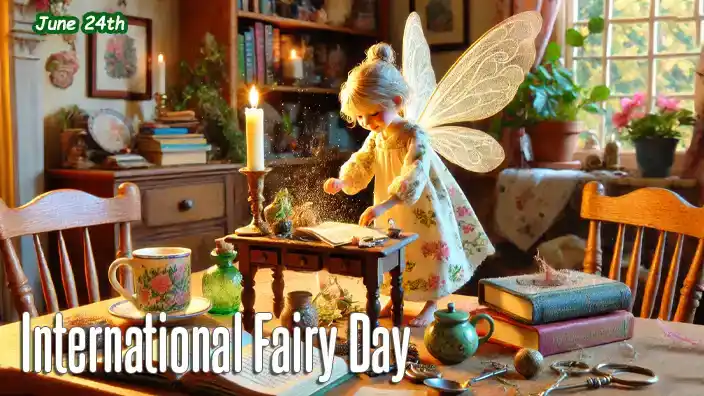
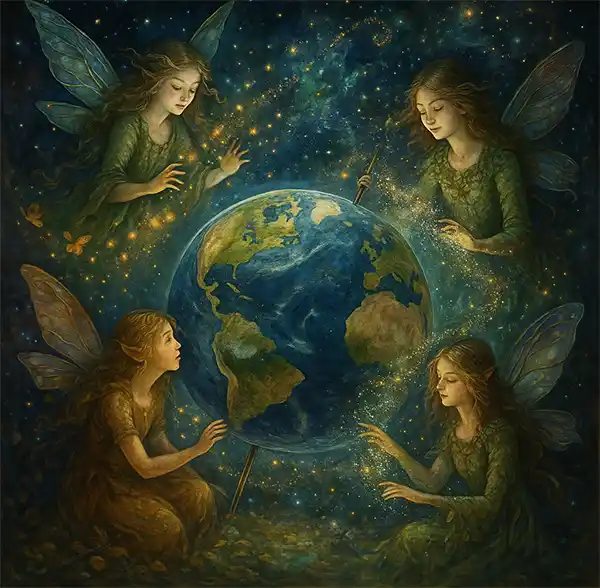
In many cultures, Midsummer Night was believed to be a time when the veil between worlds was at its thinnest. That meant fairies were up to no good, herbs harvested were extra potent, and dreams carried hints of destiny.
In some Slavic and Baltic countries, unmarried women would float flower wreaths down a river. The path of the wreath was believed to predict romantic prospects. If your wreath got caught in a whirlpool… well, maybe invest in cats and herbal tea.
Shakespeare clearly got the memo when he penned A Midsummer Night’s Dream, complete with fairy squabbles, love potions, and a guy named Bottom with a donkey's head. All of it makes slightly more sense if you’ve been celebrating the holiday properly.
How to Celebrate (Without Setting Off the Fire Department)
Midsummer’s all about nature, community, and embracing the weird and wonderful traditions of yore. Here's how to join in:
- Light a bonfire – Safely, please. Or just fire up the grill and pretend.
- Make a flower crown – Yes, real men can wear daisies too.
- Dance like no one’s watching – Extra points if there’s a maypole.
- Host a twilight picnic – Use it as an excuse to stay up too late and talk about the stars.
- Do absolutely nothing – Find a shady tree, pour a cold drink, and toast the season.
Midsummer Day is one of those rare celebrations that doesn’t require a gift, a costume, or a credit card. All it asks is that you pause, look around, and soak in the sunlight—maybe while holding a cold beverage in one hand and a slightly charred hot dog in the other.
Whether you celebrate with a bonfire, a barefoot dance, or just a smug grin about how long the day is, Midsummer reminds us of something important: nature's rhythms still matter, even in our over-clocked, over-scheduled modern lives.
So here's to Midsummer—the longest light, the wildest myths, and the best excuse to wear a wreath on your head and call it tradition.