A Month to Celebrate the World's Greatest Composers
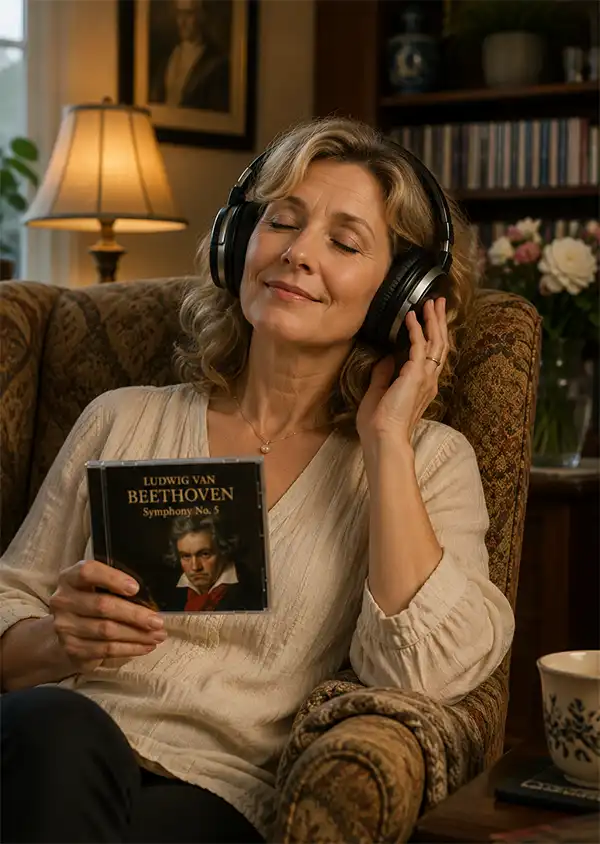
Classical Music Month celebrates the timeless works of composers whose music has inspired audiences for centuries. From the majestic symphonies of Beethoven and the elegant concertos of Mozart to the emotional masterpieces of Tchaikovsky and the unforgettable melodies of Bach, classical music continues to enrich lives around the globe. Whether performed in grand concert halls or enjoyed through headphones at home, this remarkable musical tradition remains as relevant today as it was hundreds of years ago.
Far from being "old-fashioned," classical music influences modern film scores, television themes, video games, Broadway productions, and even popular music. Throughout Classical Music Month, musicians, orchestras, educators, and music lovers recognize the extraordinary legacy of composers whose work has shaped the soundtrack of civilization.
What Is Classical Music Month?
Classical Music Month is an annual observance held throughout September to recognize the extraordinary contributions of classical music to culture, education, and the performing arts. The month celebrates the composers, conductors, musicians, vocalists, orchestras, chamber ensembles, and music educators who have preserved and advanced one of the world's richest artistic traditions. It also encourages people of all ages—whether lifelong concertgoers or first-time listeners—to explore the beauty, complexity, and emotional power of classical music.
The observance was officially established in 1994 when the United States Congress passed a joint resolution designating September as Classical Music Month. Later that year, President Bill Clinton signed Presidential Proclamation 6716, formally proclaiming September 1994 as Classical Music Month. In the proclamation, the President praised classical music as one of civilization's greatest artistic achievements, noting its ability to inspire creativity, enrich education, and unite people across cultures and generations.
Although the observance originated in the United States, its message resonates worldwide. Classical music belongs to no single nation or culture. From the symphonies of Austria and Germany to the operas of Italy, the ballets of Russia, the impressionist works of France, and the contributions of composers from every continent, classical music has become a truly global art form. Every September, orchestras, schools, universities, libraries, community ensembles, and music organizations celebrate this remarkable heritage through concerts, educational programs, masterclasses, lectures, and public performances.
Classical Music Month also serves as an invitation to discover that classical music is far more accessible than many people imagine. Whether enjoying a full orchestra performing Beethoven, a solo pianist interpreting Chopin, a string quartet playing Haydn, or a local youth orchestra giving its first concert, listeners can experience music that has moved audiences for centuries. The month reminds us that these timeless works continue to inspire, challenge, comfort, and entertain, proving that great music never goes out of style.
A Brief History of Classical Music
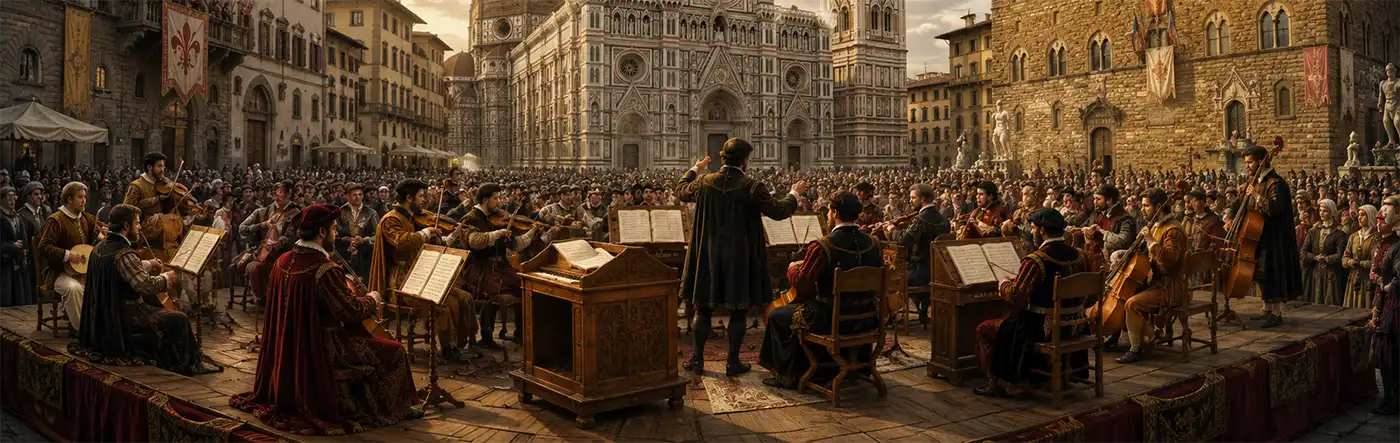
The story of classical music stretches back more than a thousand years, making it one of the oldest continuously evolving musical traditions in the world. Its earliest roots can be found in the sacred chants performed in churches and monasteries during the Medieval period. These simple vocal melodies gradually became more sophisticated as composers experimented with harmony, rhythm, and multiple voices singing together. What began as primarily religious music eventually expanded into a rich and diverse art form enjoyed by audiences far beyond the walls of churches.
During the Renaissance, composers embraced greater complexity and emotional expression, writing music for royal courts, public celebrations, and religious ceremonies. Instruments became more refined, allowing musicians to perform increasingly intricate compositions. By the late 1600s, the Baroque period introduced dramatic contrasts, elaborate ornamentation, and large-scale works that showcased the talents of both composers and performers. It was during this era that orchestras began to take on a recognizable form, laying the foundation for the modern symphony orchestra.
The Classical period, which flourished during the eighteenth century, emphasized balance, elegance, and clear musical structure. Composers developed the symphony, concerto, and string quartet into sophisticated forms that remain central to concert programs today. Music became more accessible to the public as performances moved beyond royal palaces into public concert halls, allowing larger audiences to enjoy orchestral performances.
The nineteenth century ushered in the Romantic era, when composers focused on emotion, imagination, and storytelling. Music grew larger, louder, and more expressive, often inspired by literature, history, nature, and national identity. Grand operas, sweeping symphonies, and dazzling piano works captivated audiences, while advances in instrument design expanded the possibilities available to performers and composers alike.
The twentieth century brought remarkable innovation as composers explored new harmonies, rhythms, and musical styles. Some embraced modern techniques and experimentation, while others blended traditional orchestral writing with influences from jazz, folk music, and cultures around the world. Classical music also found new audiences through film scores, radio broadcasts, recordings, television, and eventually digital streaming, ensuring that orchestral music remained an important part of modern culture.
Today, classical music continues to thrive through professional orchestras, chamber ensembles, opera companies, conservatories, schools, community bands, and youth orchestras across the globe. While the music itself may have been written decades—or even centuries—ago, each new performance brings fresh interpretation and life to these enduring works. Classical music remains a living tradition, constantly rediscovered by new generations of musicians and listeners who find inspiration in its beauty, craftsmanship, and emotional depth.
Why Classical Music Still Matters
It is easy to assume that classical music belongs in grand concert halls where everyone sits perfectly still, applauds only when appropriate, and somehow knows exactly when the conductor is finished. In reality, classical music is woven into everyday life far more than most people realize. The next time you watch an epic movie, a historical drama, or even a nature documentary, listen carefully. Much of the emotional power comes from orchestral music rooted in classical traditions. Without it, the hero's victory might feel less heroic, the villain less intimidating, and that dramatic mountain sunrise... well... just a hill with good lighting.
Classical music has also stood the test of time because it speaks a universal language. A symphony written two or three hundred years ago can still make audiences laugh, cry, feel suspense, or simply stop and listen in amazement. It requires no translation and no special training—only a willingness to let the music tell its story. Every generation discovers these masterpieces in its own way, proving that great music never really grows old.
Researchers have spent decades studying how classical music affects the brain. While it is not a magical cure-all, many studies suggest it can help people relax, reduce stress, improve concentration, and create a pleasant environment for studying or reading. Hospitals, schools, and workplaces often include gentle classical music because its calming qualities can encourage focus and ease anxiety. Even if it doesn't instantly make you a genius, it might make balancing the checkbook feel slightly less terrifying.
Classical music also teaches patience in a world that often expects everything instantly. Unlike a three-minute pop song that jumps straight to the chorus, a symphony takes listeners on a journey. Themes develop, melodies return in unexpected ways, and the final moments often feel even more satisfying because the music has taken its time getting there. It's rather like a well-cooked Sunday roast—worth waiting for and far more satisfying than something pulled from a microwave.
Perhaps most importantly, classical music continues to inspire today's composers, performers, and songwriters. Its influence can be heard in film scores, Broadway productions, video game soundtracks, television themes, and even modern rock and pop recordings. While musical styles continue to evolve, the creativity and craftsmanship of classical composers remain a source of inspiration, reminding us that some of the greatest ideas never go out of style.
The Composers Everyone Should Know
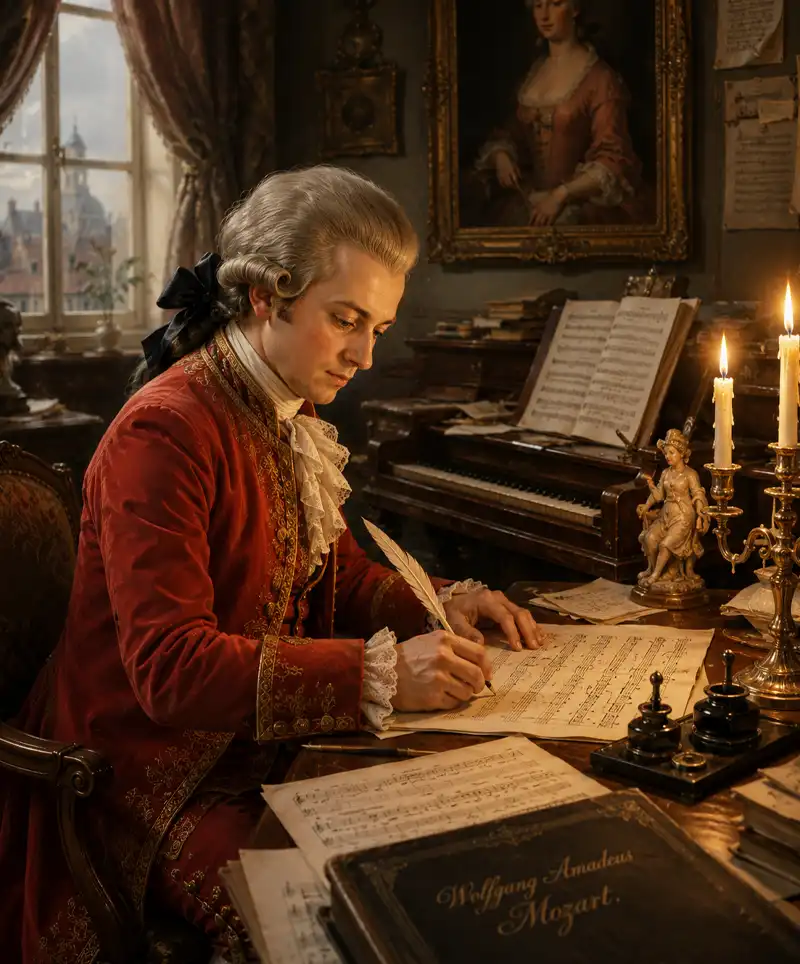
If classical music were a superhero movie, these would be the original legends. They wrote unforgettable melodies without electric guitars, recording studios, streaming services, or even a decent cup of takeout coffee. Armed with little more than quills, ink, candles, and extraordinary talent, they composed works that have survived wars, revolutions, changing fashions, and more than a few enthusiastic conductors waving sticks at people. Centuries later, their music is still filling concert halls, movie theaters, and headphones around the world. That's not just staying power—that's the musical equivalent of a standing ovation that's been going on for hundreds of years.
- Johann Sebastian Bach brought extraordinary mathematical precision and beauty to his compositions.
- Wolfgang Amadeus Mozart created hundreds of works before his untimely death at age 35, combining elegance with astonishing melodic invention.
- Ludwig van Beethoven transformed classical music by bridging the Classical and Romantic eras while composing some of history's greatest symphonies—even after losing much of his hearing.
- Pyotr Ilyich Tchaikovsky wrote beloved ballets including Swan Lake, The Nutcracker, and Sleeping Beauty.
- Frédéric Chopin elevated piano music to extraordinary artistic heights through his nocturnes, études, and waltzes.
Classical Music in Everyday Life
Many people insist they don't like classical music... right before humming a movie theme, whistling a cartoon tune, or getting goosebumps during a dramatic television finale. The truth is, classical music has become the musical wallpaper of modern life. It's been sneaking into our ears for decades, disguising itself as film scores, television themes, commercials, sporting events, video games, and even the hold music while you're waiting for customer service to answer. Like a master of disguise wearing a tuxedo instead of a trench coat, classical music has been entertaining us all along—we just didn't always recognize it.
It appears in:
- Hollywood film scores
- Television commercials
- Cartoons
- Sporting events
- Graduation ceremonies
- Weddings
- National celebrations
- Video games
- Theme park attractions
Composers such as John Williams, Hans Zimmer, and Howard Shore have all drawn inspiration from the great classical traditions.
How to Celebrate Classical Music Month
Celebrating Classical Music Month doesn't require a tuxedo, an evening gown, or the ability to pronounce Tchaikovsky correctly on the first attempt. The best way to celebrate is simply to listen. Whether you're discovering a famous symphony for the very first time or revisiting an old favorite, September is the perfect opportunity to slow down, put away the distractions for a while, and let the music tell its story.
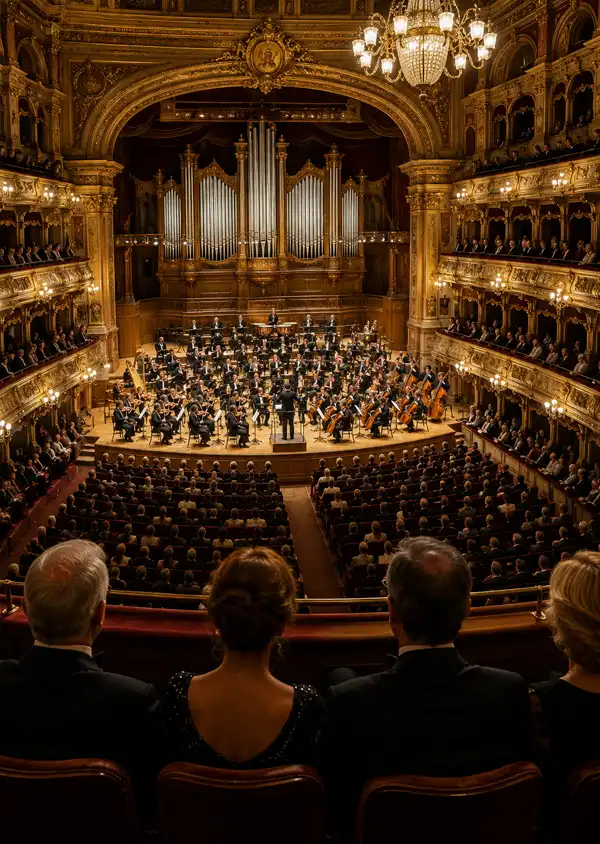
If you have the chance, attend a live performance by your local orchestra, chamber ensemble, or community band. There is something unforgettable about hearing dozens of musicians performing together in the same room, each contributing to a sound that no recording can fully capture. Many communities offer free outdoor concerts during the warmer months, making classical music accessible to everyone regardless of age or experience.
For those who prefer staying at home, today's streaming services make it easier than ever to explore centuries of remarkable music. Sample a powerful symphony one day, a peaceful piano sonata the next, and perhaps an opera overture after that. You may discover that the music you've heard in your favorite films was inspired by works written hundreds of years ago. Suddenly, that dramatic chase scene or heroic finale begins to sound pleasantly familiar.
Classical Music Month is also an excellent time to learn about the fascinating people behind the music. Many composers lived lives every bit as dramatic as their compositions, overcoming illness, financial struggles, political upheaval, and personal tragedy while creating works that continue to inspire audiences today. Their stories remind us that great art is often born through perseverance as much as talent.
Parents and grandparents can introduce children to classical music through fun rather than formality. Animated films, family concerts, and interactive performances make wonderful introductions for young listeners. Children often respond naturally to lively marches, playful overtures, and energetic dance music long before they can identify the composer. Who knows? Today's child enthusiastically pretending to conduct the family dog with a wooden spoon may become tomorrow's concert pianist—or at least an appreciative audience member.
If you play an instrument, challenge yourself to learn a classical piece, even a simple one. If you don't play, consider watching a concert online or visiting a museum dedicated to music or a famous composer. Reading a biography or learning the story behind a favorite composition can make listening even more rewarding. The more you understand the music, the more you begin to appreciate the extraordinary skill and imagination required to create it.
Most importantly, share the experience. Invite family members to listen to a favorite recording, attend a concert with friends, or simply recommend a piece that has always meant something to you. Music has a remarkable way of bringing people together, and classical music has been doing exactly that for centuries. Just remember one small courtesy if you're attending a live performance: wait until the music actually ends before applauding. Otherwise, you may receive a look from seasoned concertgoers that is far more dramatic than anything happening on the stage.
Interesting Facts About Classical Music
Classical music has been surprising audiences for centuries, and not just with soaring symphonies and breathtaking concertos. Behind many of the world's most famous compositions are remarkable stories, unusual traditions, astonishing achievements, and a few facts that sound almost too incredible to be true. From child prodigies who composed before they could properly spell their own names to musicians who created masterpieces despite extraordinary hardships, the history of classical music is filled with moments that prove reality can be every bit as fascinating as fiction. So, before you think classical music is all powdered wigs and very serious expressions, here are a few facts that might just change your tune.
- Beethoven continued composing after becoming largely deaf.
- Mozart wrote his first compositions as a child.
- Bach fathered 20 children, several of whom became accomplished musicians.
- Tchaikovsky's The Nutcracker is one of the world's most frequently performed ballets.
- Vivaldi composed more than 500 concertos.
- Handel's Messiah remains one of the most frequently performed choral works.
- Many famous movie themes borrow techniques pioneered by classical composers.
- Some orchestras perform concerts in parks, schools, and community centers to introduce new audiences to classical music.
- The violin is often considered one of the most expressive instruments in the orchestra.
- The world's oldest continuously operating orchestras date back more than 250 years.
Why We Love Classical Music Month
There is something wonderfully reassuring about music that has survived hundreds of years without ever going out of style. Long before radios, televisions, smartphones, streaming services, or wireless earbuds, composers were creating melodies that still have the power to stir emotions today. Trends have come and gone, musical tastes have changed countless times, yet audiences continue to fill concert halls to hear works written centuries ago. That's an achievement few artists in any field can claim.
Classical Music Month reminds us that music is one of humanity's greatest shared languages. You don't have to speak German to appreciate Beethoven, Italian to enjoy Verdi, French to admire Debussy, or Russian to be moved by Tchaikovsky. A beautiful melody can cross borders, generations, and cultures without saying a single word. It can celebrate a victory, comfort someone through difficult times, or simply provide a few peaceful moments at the end of a busy day.
The observance is also a tribute to the incredible dedication of the people who keep this musical tradition alive. Behind every concert is an army of talented individuals—conductors, musicians, music teachers, instrument makers, stage crews, librarians, composers, and volunteers—working together so audiences can experience performances that often last only a couple of hours. Their passion ensures that these remarkable works continue to inspire each new generation.
Perhaps one of the greatest joys of classical music is that there is always something new to discover. You might begin by listening to a famous symphony you've heard in a movie, only to find yourself exploring concertos, operas, chamber music, or solo piano works you never knew existed. The deeper you explore, the richer the musical journey becomes, and there always seems to be another masterpiece waiting just around the corner.
Classical Music Month also reminds us that not everything worthwhile has to happen at lightning speed. In a world of instant messages, short videos, and songs that sometimes seem to end before they've properly begun, classical music encourages us to slow down, listen carefully, and enjoy the journey. It rewards patience, attention, and imagination in a way few other art forms can.
Most of all, we love Classical Music Month because it celebrates creativity at its very highest level. These compositions have brought comfort during wars, added grandeur to historic occasions, inspired countless films, and filled everyday moments with beauty for centuries. Whether you're a lifelong concert enthusiast or someone who simply recognizes a familiar melody from a favorite movie, this month is an invitation to appreciate music that continues to enrich the world. And who knows? By the end of September, you may find yourself enthusiastically conducting an imaginary orchestra with a wooden spoon while the family quietly wonders whether to applaud or call for an encore.
Frequently Asked Questions
When is Classical Music Month?
Classical Music Month is observed throughout September each year.
What is the purpose of Classical Music Month?
It celebrates classical composers, musicians, orchestras, and the lasting influence of classical music while encouraging new audiences to discover this rich musical tradition.
Who are the most famous classical composers?
Some of the best-known include Johann Sebastian Bach, Wolfgang Amadeus Mozart, Ludwig van Beethoven, Frédéric Chopin, Pyotr Ilyich Tchaikovsky, Johannes Brahms, Antonio Vivaldi, Giuseppe Verdi, and Claude Debussy.
Is classical music only for experts?
Not at all. Classical music welcomes everyone, from lifelong enthusiasts to first-time listeners.
Does classical music influence modern music?
Yes. Film scores, television themes, Broadway productions, video game music, and many contemporary composers draw heavily from classical traditions.
Where can I listen to classical music?
Streaming services, public radio, concert halls, community orchestras, libraries, and online video platforms all offer thousands of classical performances.
One Final Encore
Classical Music Month celebrates a musical tradition that has endured through changing fashions, new technologies, and countless generations of listeners. These compositions continue to move audiences because they speak a universal language that requires no translation. So settle into a comfortable chair, silence the phone for a while, and let an orchestra do the talking. Just don't be surprised if you suddenly feel the urge to conduct the finale with a wooden spoon from the kitchen—every great maestro has to start somewhere.