Celebrating Colors - A Guide to National Wildflower Week
Every year, as spring unfurls its colors, National Wildflower Week comes into bloom, inviting everyone to appreciate the natural confetti that brightens America's wild spaces. Held during the first full week of May, this week is a celebration and an educational platform promoting the conservation of native wildflowers. Here's a look at why these vibrant inhabitants of meadows, forests, and prairies matter, along with some tips on joining the festivities.

Why Celebrate Wildflowers?
Wildflowers aren’t just nature’s decorative flourish—they're essential players in the health and survival of countless ecosystems. These humble blooms support a wide range of pollinators, from bees and butterflies to hummingbirds and beetles, all of which are vital for the reproduction of plants, including many of the fruits and vegetables we rely on. Without wildflowers, the entire food web begins to wobble, from the smallest insect to the largest predator—and yes, that includes us.
But their beauty isn’t just skin deep. Wildflowers help stabilize soil with their root systems, preventing erosion and improving water retention. Many species are also adept at thriving in poor soil conditions, making them natural pioneers in habitat restoration projects. Their presence can even indicate the overall health of an environment, with diverse wildflower populations often signaling a well-balanced and functioning ecosystem.
Celebrating wildflowers also connects us to our cultural and historical roots. Native American tribes, early settlers, and herbalists throughout history have used wildflowers for medicinal purposes, dyes, and culinary ingredients. Their appearances in folklore, literature, and even state symbols show just how deeply woven they are into our collective identity.
From a mental health perspective, wildflowers offer a dose of natural therapy. Numerous studies show that spending time in green spaces—or even just viewing natural scenery—can reduce stress, enhance mood, and improve cognitive function. There’s something undeniably uplifting about walking through a field peppered with bright bursts of color, like nature decided to throw confetti just for the joy of it.
By celebrating National Wildflower Week, we’re not just admiring pretty petals—we’re recognizing the critical role wildflowers play in biodiversity, sustainability, and our own well-being. Whether you're planting native species in your yard or simply learning to identify what’s blooming along your local trail, every little bit helps preserve these vibrant ambassadors of the wild.
How to Celebrate
You don’t need a green thumb or a PhD in botany to join the festivities—just a love for color, curiosity, and maybe a decent pair of walking shoes. National Wildflower Week offers a perfect excuse to unplug, step outside, and connect with the natural world in full bloom. Whether you’re hiking through a meadow, planting pollinator-friendly petals in your garden, or snapping artsy photos of flowers doing their thing, there are plenty of ways to celebrate the splendor of wildflowers. Here's how to get started!
- Go on a Wildflower Walk: Many state parks and nature reserves offer guided tours that can enlighten you about the local flora. It's a chance to get your steps in and your botany on!
- Plant Native Species: Consider gardening with native wildflowers. They require less water and fewer pesticides and provide essential nutrients and habitat for local wildlife.
- Participate in a Photography Contest: Capture the fleeting beauty of wildflowers through your lens. Many communities and organizations host photo contests this week, so why not show off your skills?
- Educational Workshops: Attend a workshop or seminar. Many botanical gardens and environmental groups offer sessions on native wildflowers and their roles in our ecosystems.
- Spread the Word: Use social media to spread awareness. A well-placed hashtag can be more potent than pollen!

Kids, Classrooms, and Wildflower Wonder
National Wildflower Week is the perfect opportunity to bring the outdoors into the classroom—or better yet, take the classroom outdoors! Wildflowers offer a colorful, hands-on way to introduce kids to science, art, environmental stewardship, and even a little poetry.
- Classroom Activities: Teachers can turn wildflowers into a learning experience across multiple subjects. In science, students can study plant anatomy, life cycles, and pollination. In art, they can draw or paint native flowers, press blooms for crafts, or create wildflower-themed collages. For language arts, try a poetry challenge inspired by wildflowers—just imagine a haiku about a sunflower with stage presence.
- Grow a Wildflower Patch: Even a small patch of soil or a few pots on a windowsill can become a mini wildflower garden. Native seed kits are often inexpensive and easy to grow, giving kids the satisfaction of planting something that not only looks beautiful but also supports local pollinators. Watching bees and butterflies visit “their” flowers adds a sense of pride and purpose.
- Field Trips and Flower Walks: Organize a short walk to a nearby park, schoolyard, or botanical garden where kids can observe and identify wildflowers in their natural habitat. Arm them with notebooks or simple checklists and encourage them to become junior botanists for the day. Bonus points if someone brings binoculars or a magnifying glass—they’ll feel like scientists on safari.
- Wildflower Journals: Have students keep a Wildflower Week journal where they document their observations, sketches, and thoughts about the plants they encounter. It’s a great blend of science and self-expression, and by the end of the week, they’ll have a little keepsake full of petals and pride.
By involving kids early on, we plant the seeds—pun fully intended—for a future generation that values biodiversity and understands the importance of conservation. After all, the more we encourage young minds to stop and smell the wildflowers, the more likely they are to protect them.
Fun Facts
Think wildflowers are just pretty faces? Think again. These resilient beauties are ecological powerhouses, survival experts, and sometimes, downright sneaky. From flowers that track the sun to daisies that smell like dessert, the wildflower world is full of surprises that even the most seasoned nature lover might not know. Here’s a bouquet of fascinating facts that will deepen your appreciation for these colorful wonders—and might just make you the most interesting guest at your next picnic.
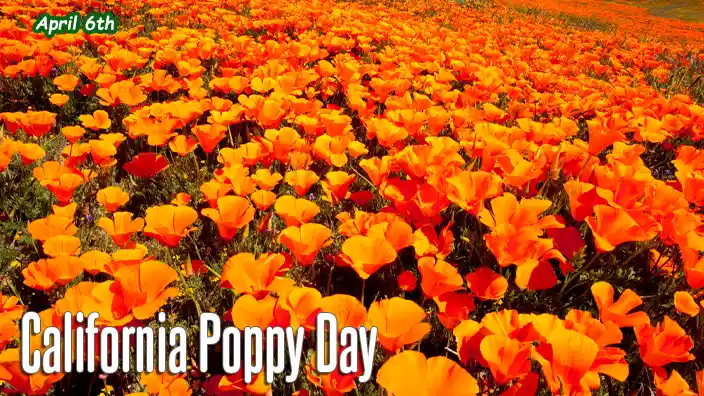
- California Poppies' Nap Time: As mentioned, California poppies close their petals at night or in inclement weather. This action, known as nyctinasty, helps protect the pollen inside from nighttime moisture and cold.
- Texas Bluebonnets' Toughness: These iconic Texan wildflowers have seed coats that are so resilient they can remain dormant for several years until conditions are perfect for germination. This survival strategy ensures their spectacular spring displays, even in challenging environments.
- Sunflowers Track the Sun: Young sunflowers exhibit a fascinating behavior called heliotropism. They turn their heads to follow the sun across the sky, optimizing their energy absorption before they mature and face east permanently.
- Fire Followers: Some wildflowers, like the fire poppy, only germinate after a wildfire. The heat from the fire helps crack their seed coats open, and the subsequent lack of competition and rich ash soil allows them to thrive.
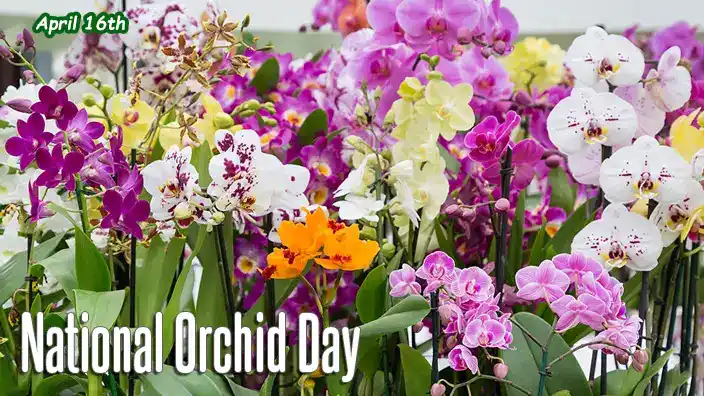
- Orchids' Deception: Many orchid species use deception to attract pollinators. For example, the bee orchid has flowers that mimic the appearance and scent of female bees, tricking male bees into trying to mate with them and facilitating pollination.
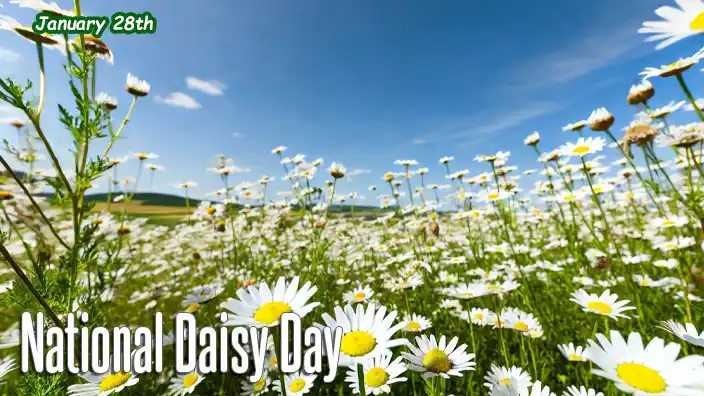
- Chocolate Daisy: The Berlandiera lyrata, commonly known as the chocolate daisy, releases a chocolate scent in the early morning. This unique fragrance is not just a treat for the human nose but also attracts pollinators.
- Night Blooming: The evening primrose opens its flowers at dusk and closes them again at dawn. This adaptation is designed to attract night-flying pollinators, such as moths.
These fun facts offer a glimpse into the intriguing and diverse world of wildflowers, highlighting their adaptability and their intricate ecological roles.
National Wildflower Week might be a short event, but its impact is long-lasting. By celebrating these botanical wonders, we're not just marking our calendars; we're contributing to the preservation of our planet's vital biodiversity. So, take a moment to stop and smell the wildflowers—your soul and the bees will thank you!