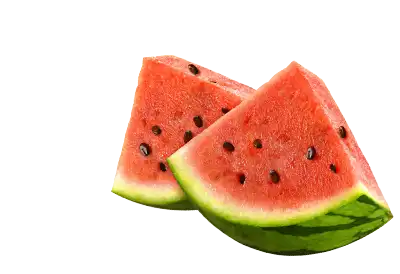
Life is sweeter with watermelon juice on your shirt
There are few sights that say "summer" quite like a freshly sliced watermelon sitting on a picnic table. Whether you're relaxing by the pool, hosting a backyard barbecue, or simply looking for a refreshing snack on a hot afternoon, watermelon has earned its place as one of the season's favorite fruits. National Watermelon Month celebrates this sweet tradition throughout July while recognizing the growers who make it possible.
With its crisp texture, refreshing flavor, and remarkably high water content, watermelon has become a symbol of summertime across the United States. Fortunately, unlike some seasonal celebrations, eating an extra slice during National Watermelon Month is highly encouraged.
What Is National Watermelon Month?
National Watermelon Month is celebrated throughout July in the United States and shines a spotlight on one of summer's most refreshing and recognizable fruits. The month-long observance encourages everyone to enjoy fresh watermelon while recognizing the farmers, growers, distributors, and agricultural communities that work hard to bring millions of these juicy giants from the field to our picnic tables.
The celebration was officially designated by the United States Senate and Congress, helping promote American watermelon production and raise awareness of the fruit's importance to U.S. agriculture. Since July is peak watermelon season across much of the country, the timing couldn't be better. Whether you buy one from a local farm stand, a grocery store, or a bustling farmers market, chances are you're enjoying it at its very best.
Watermelon has become a familiar guest at backyard barbecues, family reunions, beach outings, camping trips, and neighborhood picnics. Few foods are as closely associated with lazy summer afternoons and long, sunny days. It's refreshing, naturally sweet, and large enough to make you wonder if you accidentally brought home a small piece of farm equipment.
National Watermelon Month is also an opportunity to discover the incredible variety of watermelons available today. Alongside the traditional red-fleshed varieties are seedless favorites, miniature personal-sized melons, yellow and orange-fleshed cultivars, and heirloom varieties with unique colors and flavors. If you've only ever tried the classic supermarket watermelon, July is the perfect time to branch out.
Most importantly, the celebration reminds us that some of life's best moments are wonderfully simple. Gather family or friends, cut open a ripe watermelon, and enjoy a few laughs while trying to keep the juice from reaching your elbows. Success is optional. The fun is guaranteed.

The Long History of Watermelon
Watermelon may be one of the stars of modern summer picnics, but its story began thousands of years before anyone dreamed of backyard barbecues or beach coolers. In fact, watermelon has one of the longest and most fascinating histories of any fruit still enjoyed today.
Researchers believe the ancestors of today's watermelon originated in northeastern Africa, where hardy wild varieties grew in dry, hot climates. Unlike the sweet melons we enjoy today, these early watermelons were often pale, firm, and far less sugary. Their greatest value wasn't their taste but their ability to store water, making them an important source of hydration for people traveling through arid regions.
By around 2,000 BC, ancient Egyptians were cultivating watermelons along the fertile banks of the Nile River. Archaeologists have found watermelon seeds in ancient sites, and illustrations of the fruit appear in Egyptian artwork. Some historians even believe watermelons were placed inside the tombs of pharaohs so they would have food and water available in the afterlife. If nothing else, they certainly planned ahead.
As trade routes expanded, watermelon spread across the Mediterranean and into the Middle East, where farmers developed sweeter, larger varieties through careful cultivation. The fruit continued its journey into India, China, and eventually Europe, adapting to different climates and becoming a welcome addition to local diets.
European explorers later introduced watermelon to the Americas during the 16th century. The warm summers and fertile soils found in many parts of North America proved ideal for growing the fruit, and it wasn't long before watermelon became a common crop. Farmers appreciated its reliability, generous harvests, and popularity with customers who were always happy to carry home a melon that weighed as much as a curious toddler.
Over the centuries, selective breeding transformed watermelon into the fruit we know today. Growers developed sweeter flesh, thinner rinds, vibrant colors, and eventually seedless varieties that made enjoying watermelon much easier. While some people still insist that spitting seeds is part of the experience, plenty of others are perfectly happy letting modern agriculture handle that little inconvenience.
Today, watermelons are grown on every inhabited continent, with China producing the largest share of the world's crop. The United States is also a major producer, with states such as Florida, Georgia, Texas, California, and South Carolina harvesting millions of watermelons each year. Thanks to generations of skilled farmers and plant breeders, we now have hundreds of varieties ranging from compact personal-sized melons to giant competition entries that require more than one pair of hands to carry.
It's remarkable to think that a fruit once prized simply for the water it contained has become one of the world's favorite symbols of summer. Every juicy slice enjoyed during National Watermelon Month is part of a story that has been growing for thousands of years—and thankfully, today's varieties taste a whole lot better than their ancient ancestors.
Why Watermelon Is the Perfect Summer Fruit
There is a reason watermelon seems to appear everywhere as soon as summer arrives. When the temperature climbs and even walking to the mailbox feels like a workout, few things are more satisfying than biting into a cold, juicy slice of watermelon. It's refreshing, naturally sweet, and doesn't require turning on the oven, which is always a bonus when the weather is doing its best impression of a sauna.
One of watermelon's biggest advantages is its incredible water content. At about 92 percent water, every bite helps replenish fluids lost during hot summer days. While it shouldn't replace drinking water, it certainly makes staying hydrated a lot more enjoyable. After all, very few people have ever looked disappointed when someone walked into the backyard carrying a giant watermelon.
Watermelon also delivers an impressive collection of nutrients while remaining relatively low in calories. Inside every bright red slice you'll find:
- Vitamin C
- Vitamin A
- Potassium
- Lycopene
- Antioxidants
- Dietary fiber
These nutrients help support your immune system, contribute to healthy skin and vision, provide antioxidants that protect your cells, and make watermelon a refreshing addition to a balanced diet. Lycopene, the natural pigment that gives most watermelons their rich red color, has been studied for its antioxidant properties and is also found in foods like tomatoes.
Its natural sweetness makes watermelon an easy alternative to heavier desserts during the summer months. A bowl of chilled watermelon cubes can satisfy a sweet tooth without leaving you feeling like you need an afternoon nap. Of course, if you decide to eat half the watermelon in one sitting, that's between you and your waistband.
Watermelon is also wonderfully versatile. Enjoy it straight from the refrigerator, toss it into a fruit salad, blend it into a smoothie, freeze it into popsicles, or even throw a few slices on the barbecue. Yes, grilled watermelon is a real thing, and before you wrinkle your nose, plenty of people swear by it.
Perhaps the greatest quality of all is that watermelon has a remarkable ability to bring people together. Families gather around the picnic table while someone wrestles with a knife that suddenly seems far too small for the job. Children compete to see who can eat the fastest without wearing half of it. Someone inevitably declares they're "just having one more slice," right before reaching for three more.
In the end, watermelon isn't just the perfect summer fruit because it's healthy or refreshing. It's because every juicy bite seems to come with sunshine, laughter, and memories that are just a little bit sticky.
Where Watermelons Are Grown
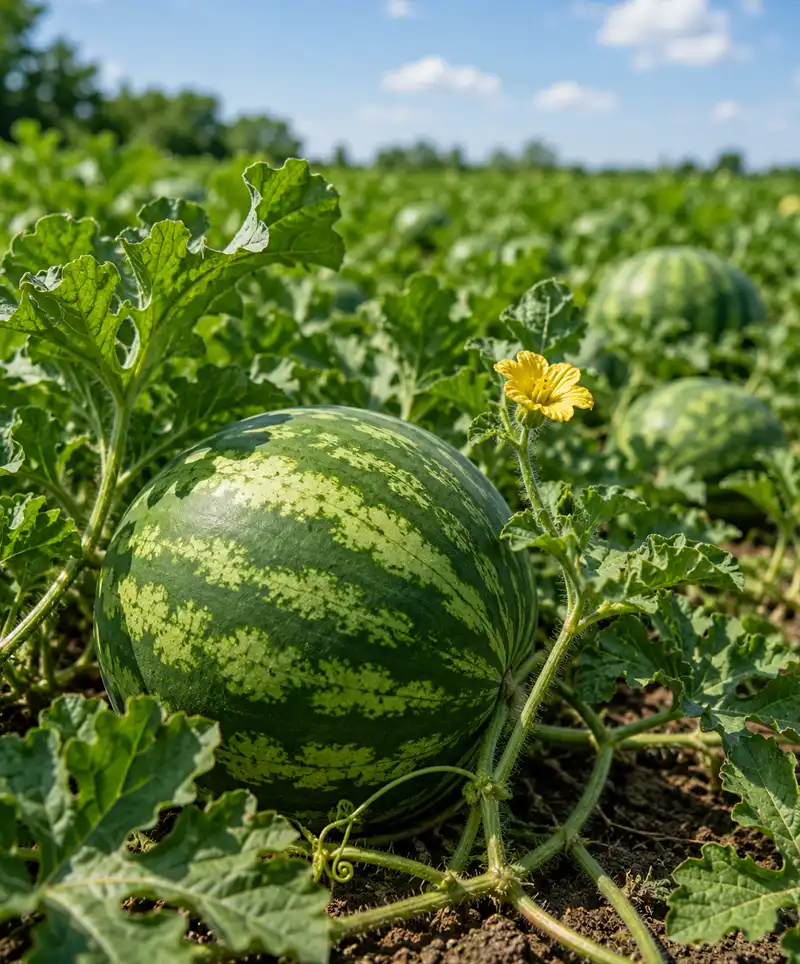
Watermelons may look as though they simply appear in grocery stores every summer, but every one of them begins life in a carefully tended field. Growing a good watermelon takes warm sunshine, fertile soil, plenty of space, and no small amount of patience. Farmers spend months planting, watering, protecting, and harvesting their crops to ensure each melon reaches the perfect balance of sweetness and juiciness. By the time one lands in your shopping cart, it has already enjoyed a much longer summer than you have.
Watermelons thrive in warm climates with long growing seasons, making much of the southern United States ideal for commercial production. As summer progresses, harvests move across different regions, allowing fresh watermelons to remain available for much of the season. It's one of nature's better ideas—especially for anyone who believes a refrigerator should never be without at least one chilled watermelon waiting inside.
Major watermelon-producing states include:
- Florida
- Georgia
- Texas
- California
- South Carolina
- Arizona
- Indiana
These farms supply grocery stores, roadside stands, farmers markets, restaurants, and countless family gatherings throughout the summer months.
Many growers harvest their crops from late spring through early autumn, with July representing the heart of the season. If you happen to spot a roadside stand piled high with freshly picked watermelons, it's usually worth stopping. At the very least, you'll come home with dessert. At best, you'll also get an arm workout carrying it to the kitchen.
More Than Just Red and Green
When most people picture a watermelon, they imagine a large green fruit with bright red flesh and a scattering of black seeds. It's the classic image that has appeared at countless picnics, family reunions, and summer cookouts for generations. While that traditional watermelon remains a favorite, it represents only a small part of the amazing variety available today.
Modern growers cultivate hundreds of watermelon varieties, each with its own appearance, flavor, texture, and size. Thanks to years of careful breeding, shoppers can choose everything from compact melons that fit neatly into a refrigerator to enormous varieties that require both arms—and perhaps a little determination—to carry home. If you've ever underestimated the weight of a watermelon in the supermarket, your back probably remembers the lesson.
One of the biggest changes over the past few decades has been the popularity of seedless watermelons. Although they still contain tiny, soft white seed coats, they eliminate the familiar ritual of picking out black seeds before every bite. For some people, that's progress. For others, it's the end of a proud tradition of seeing who could spit a seed the farthest across the backyard.
The surprises don't stop there. Slice open certain varieties, and instead of the expected deep red flesh, you'll discover brilliant shades of yellow or even orange. These colorful watermelons are every bit as refreshing as their red cousins, often with subtle differences in sweetness and flavor that make them fun to try during National Watermelon Month. They're also guaranteed to confuse anyone who insists, "That can't possibly be a watermelon."
Even the outside of the fruit can vary considerably. Some varieties have dark green skins, while others display lighter stripes, mottled patterns, or nearly solid colors. Shapes can range from perfectly round to oval or elongated, depending on the variety and how it was bred.
Gardeners and competitive growers have even turned watermelon cultivation into something of an art form. Giant watermelons weighing hundreds of pounds regularly appear at agricultural fairs, while in Japan, some growers produce perfectly square watermelons by allowing them to develop inside specially designed boxes. The unusual shape makes them easier to stack, though they still don't fit comfortably in most shopping carts.
Exploring different watermelon varieties is part of the fun of National Watermelon Month. Whether you choose the familiar red favorite or decide to surprise your family with a bright yellow watermelon, you're discovering just how diverse this remarkable fruit has become. One thing, however, remains reassuringly consistent: no matter the color, someone will almost certainly end up with watermelon juice running down their chin before the first slice is finished.

Delicious Ways to Enjoy Watermelon
Fresh slices remain the classic favorite, and for good reason. There's something wonderfully satisfying about cutting into a chilled watermelon on a hot summer afternoon and hearing that first crisp crack as the knife breaks through the rind. Moments later, everyone seems to gather around the kitchen counter as though they've been summoned by some invisible watermelon alarm. Before long, sticky fingers, smiling faces, and empty plates are all that's left.
As delicious as it is straight from the cutting board, watermelon is remarkably versatile. Its naturally sweet flavor pairs beautifully with both sweet and savory dishes, making it far more than just a picnic snack. Whether you're preparing a refreshing dessert, blending a cool drink, or experimenting with something a little more adventurous, watermelon has a surprising ability to fit right in. It might even become the hardest-working fruit in your refrigerator—assuming it survives long enough to make it that far.
Try using it in:
- Fresh fruit salads
- Smoothies
- Homemade popsicles
- Salsa
- Summer cocktails and mocktails
- Grilled watermelon
- Frozen sorbet
- Chilled soups
- Picnic desserts
Even the rind doesn't have to go to waste. Pickled watermelon rind has been enjoyed for generations in many parts of the United States.
Fun Facts About Watermelon
Watermelon comes with plenty of interesting trivia.
- Watermelon is botanically classified as a fruit but is grown much like a vegetable.
- More than 1,200 varieties are grown worldwide.
- Japan has developed square watermelons that are grown inside glass boxes.
- The heaviest watermelon ever recorded weighed well over 300 pounds.
- Watermelon belongs to the same plant family as cucumbers, pumpkins, and squash.
- National watermelon seed-spitting contests remain popular at fairs and festivals.
Thankfully, modern seedless varieties have dramatically reduced the risk of accidentally launching seeds across the family picnic.
How to Celebrate National Watermelon Month
Celebrating National Watermelon Month doesn't require careful planning, expensive equipment, or a special invitation. In fact, the hardest part is usually deciding which watermelon to take home. Give it a gentle tap if you like, inspect it with great seriousness, and nod knowingly. Whether or not you actually know what you're listening for, you'll look like someone who has purchased a watermelon or two in your time.
One of the best ways to celebrate is by visiting a local farmers market or roadside produce stand. Buying directly from local growers supports American agriculture and often rewards you with a watermelon that was harvested only a short time before reaching your table. Freshly picked fruit is difficult to beat, and chatting with the people who grew it often comes with helpful tips for choosing the sweetest melon.
If you've always bought the same variety, National Watermelon Month is the perfect excuse to be a little adventurous. Try a yellow-fleshed watermelon, pick up a compact personal-sized melon, or sample an heirloom variety if you can find one. You may discover a new favorite while giving your family something unexpected to talk about at dinner.
Of course, watermelon deserves more than a quick appearance after the main meal. Blend it into smoothies, freeze it into refreshing popsicles, add it to colorful fruit salads, or surprise your guests with grilled watermelon or fresh watermelon salsa. Its natural sweetness and refreshing flavor make it one of the easiest ingredients to work with during the hottest days of the year.
National Watermelon Month is also a wonderful excuse to gather family and friends outdoors. Whether you're hosting a barbecue, enjoying a picnic in the park, spending the afternoon at the beach, or simply relaxing on the back porch, watermelon somehow makes every summer gathering feel a little more complete. It's one of those rare foods that seems to disappear almost as quickly as it's served.
If children are involved, don't be surprised if the celebration becomes a little more competitive. Seed-spitting contests have entertained families for generations, and although seedless varieties have made the sport more challenging, determined youngsters always seem to find a way. Just make sure everyone agrees on which direction they're aiming before the competition begins.
You can even spend part of the month learning more about how watermelons are grown, the different varieties available, or the farmers who make every summer harvest possible. A greater appreciation for the journey from field to table somehow makes each slice taste even sweeter.
Most importantly, don't overcomplicate the celebration. Sometimes the best way to enjoy National Watermelon Month is simply to cut open a perfectly ripe watermelon, share it with people you enjoy spending time with, and laugh when someone inevitably announces, "I'm only having one slice," moments before reaching for another. After all, some traditions are simply too delicious to break.
Why National Watermelon Month Matters
National Watermelon Month is about much more than enjoying a sweet slice of fruit on a warm afternoon. It celebrates the hardworking farmers, farm workers, distributors, retailers, and local businesses who help bring millions of watermelons from fields across America to our tables each summer. Their dedication ensures that one of the season's most refreshing treats is available for family meals, picnics, festivals, and backyard barbecues.
The observance also encourages people to make healthy, fresh produce part of their daily lives. With its high water content, natural sweetness, and valuable nutrients, watermelon offers a refreshing alternative to many heavily processed snacks and desserts. It's one of those rare foods that feels like an indulgence while still doing something good for you.
National Watermelon Month is also a reminder that some of our favorite traditions don't have to be complicated. A chilled watermelon, a sharp knife, a picnic table, and good company are often all that's needed to create memories that last for years. Children still race to grab the biggest slice, grandparents still insist they know how to pick the perfect melon, and someone always ends up with watermelon juice on their shirt despite their best efforts.
Perhaps that's why watermelon has become such an enduring symbol of summer. It brings people together, supports American agriculture, encourages healthier eating, and reminds us that life's sweetest moments are often the simplest—and just a little bit sticky.
Frequently Asked Questions
Whether you're curious about the history of National Watermelon Month, wondering how the celebration began, or simply looking for a few interesting facts to share at your next summer gathering, you're not alone. These frequently asked questions cover some of the most common things people want to know about this juicy July celebration. Don't worry—there isn't a quiz at the end, although there may be a strong temptation to go and cut yourself another slice of watermelon afterward.
When is National Watermelon Month?
National Watermelon Month is celebrated throughout the entire month of July in the United States.
Why is July National Watermelon Month?
July is peak watermelon season across much of the country, making it the ideal time to celebrate the harvest and support American watermelon growers.
Who established National Watermelon Month?
The observance was officially designated through recognition by the United States Senate and Congress to promote watermelon production and American agriculture.
Is watermelon healthy?
Yes. Watermelon is rich in water, vitamins A and C, antioxidants such as lycopene, and contains relatively few calories.
Can you eat watermelon every day?
For most people, watermelon can be enjoyed regularly as part of a balanced diet. Like any food, moderation is always a sensible approach.
One More Slice Before You Go
National Watermelon Month is one of those celebrations that practically plans itself. Pick up a ripe melon, invite a few friends over, and enjoy one of summer's most refreshing traditions. Whether you prefer seedless slices, colorful fruit salads, or trying something new on the grill, July offers the perfect excuse to appreciate this iconic fruit and the hardworking growers who bring it to our tables.
After all, if someone asks why you're eating watermelon for the third time today, you can simply explain that you're celebrating responsibly.