A Day for the World's Favorite Tropical Fruit
Some foods are enjoyed politely. Mangoes are not among them.
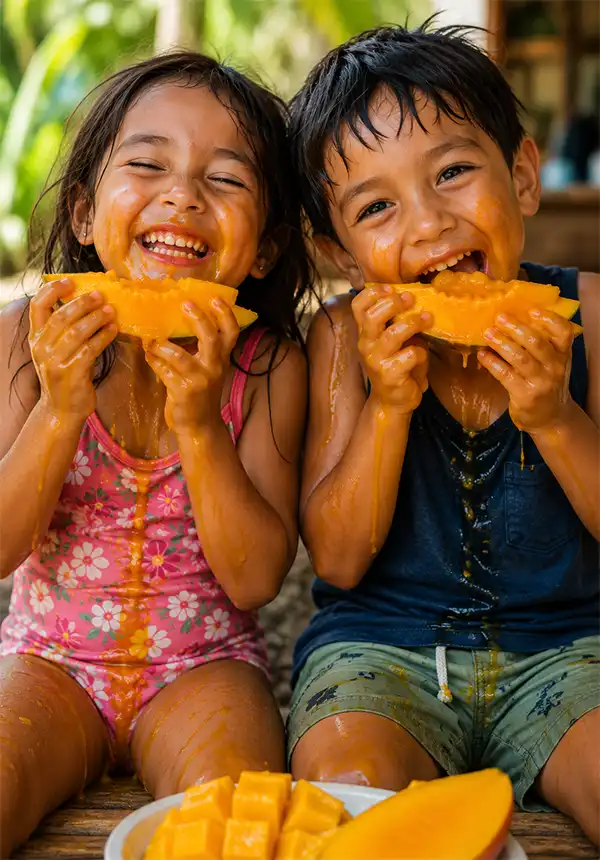
A perfectly ripe mango has a remarkable ability to turn otherwise respectable adults into sticky-fingered fruit enthusiasts who suddenly stop caring about dignity, table manners, or the condition of their favorite shirt. That's part of the charm, and it's exactly why National Mango Day deserves its own celebration.
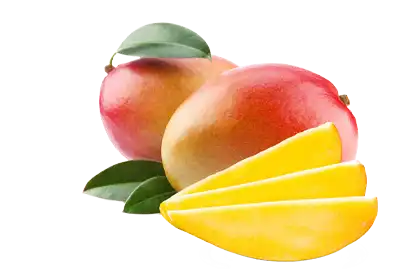
Observed each year on July 22, National Mango Day honors one of the most beloved fruits on the planet. Sweet, juicy, colorful, and packed with flavor, mangoes have been winning fans for thousands of years and continue to inspire a level of devotion usually reserved for sports teams, family recipes, and free Wi-Fi.
Whether you enjoy them sliced fresh, blended into smoothies, mixed into salsa, or transformed into decadent desserts, mangoes have a way of making ordinary days feel a little more tropical. National Mango Day is the perfect excuse to indulge in your favorite mango treats, try a new variety, and appreciate the fruit that proudly wears the title of the King of Fruits.
Just don't expect to stay clean. Mangoes have never shown much respect for napkins, shirts, or carefully planned eating strategies.
What Is National Mango Day?
National Mango Day is celebrated every year on July 22 and is dedicated to one simple but wonderful idea: enjoying mangoes.
The day shines a spotlight on one of the world's most popular tropical fruits and encourages people to indulge in everything from fresh mango slices and smoothies to mango salsa, desserts, and countless other mango-inspired creations. While it may not be an official public holiday that comes with a day off work, it does provide the next best thing—a perfectly acceptable excuse to eat mangoes without feeling the slightest bit guilty.
National Mango Day also serves as a reminder of the fruit's incredible popularity around the world. For thousands of years, mangoes have been enjoyed across cultures and continents, earning a reputation as the "King of Fruits" thanks to their rich flavor, sweet aroma, and remarkable versatility.
Unlike National Mango Month, which celebrates mangoes throughout June, National Mango Day focuses all that appreciation into a single juicy day of tropical goodness. Think of it as the grand finale, where mango lovers everywhere unite in a shared mission to consume as much delicious fruit as possible while pretending the sticky juice running down their arms was part of the plan.
At its heart, National Mango Day is about enjoying great food, sharing favorite recipes, discovering new mango varieties, and appreciating a fruit that somehow manages to taste like sunshine in edible form.
The Sweet Story Behind National Mango Day
Unlike mangoes themselves, which have a history stretching back more than 4,000 years, National Mango Day is a relatively modern celebration. The observance was created to recognize the popularity of one of the world's favorite fruits and to encourage people to enjoy mangoes at the height of their seasonal abundance.
While no single person can claim credit for making mangoes famous, growers, distributors, food organizations, and mango enthusiasts have spent decades introducing more people to the fruit's incredible flavor and versatility. As mango imports increased and new varieties became widely available, mangoes transformed from an occasional tropical treat into a familiar sight in supermarkets across North America and beyond.
National Mango Day emerged as a way to celebrate that success story. It provides an opportunity to spotlight mango farming, promote healthy eating, and encourage people to experiment with new recipes and varieties. More importantly, it gives mango lovers a perfectly legitimate reason to spend an entire day talking about, buying, preparing, and eating mangoes.
The timing couldn't be better. July falls during peak mango season for many suppliers, meaning fruit lovers can often find mangoes at their freshest, juiciest, and most flavorful. In other words, National Mango Day arrives precisely when mangoes are most likely to tempt shoppers into buying far more than they originally intended.
Of course, mangoes hardly need a marketing department. They managed to become one of the most widely consumed fruits on Earth long before social media, television commercials, or influencers started taking photos of their lunches. National Mango Day simply recognizes what millions of people already know: life is generally a little sweeter when mangoes are involved.
And if a few sticky fingers are part of the experience, well, history suggests that's a sacrifice humanity has been willing to make for thousands of years.
Why People Love Mangoes So Much
Let's face it—people don't write songs about broccoli.
Mangoes, on the other hand, inspire a level of affection that borders on obsession. Around the world, millions of people eagerly await mango season, count down the days until their favorite varieties appear in stores, and happily overlook the inevitable sticky mess that follows. That's not the kind of devotion most fruits can claim.
Part of the mango's appeal is its incredible flavor. A ripe mango delivers a combination of sweetness, juiciness, and tropical aroma that's difficult to compare to anything else. Depending on the variety, you might detect hints of peach, pineapple, citrus, honey, or even coconut. It's as if nature looked at a fruit bowl and decided to combine several of the best flavors into one package.
Then there's the texture. A perfectly ripe mango is smooth, soft, and almost buttery. It practically melts in your mouth, making every bite feel a little indulgent. Even people who aren't particularly interested in fruit often find themselves making an exception when mangoes are involved.
Mangoes also have a way of creating memories. For some people, they bring back childhood summers, family gatherings, vacations, or afternoons spent picking fruit straight from the tree. For others, the first bite of a ripe mango instantly transports them to a tropical destination—without the expense of airline tickets or the inconvenience of airport security.
Another reason people love mangoes is their versatility. Few fruits can move so effortlessly between breakfast, lunch, dinner, dessert, and snack time. One minute they're blended into a smoothie, the next they're starring in a salsa, and before long they've somehow ended up in ice cream.
Of course, part of the attraction may be that mangoes make us work for our reward. Between the peeling, slicing, and avoiding the pit, eating a mango requires a little effort. But perhaps that's why the payoff feels so satisfying. Nobody ever tells stories about the unforgettable banana they ate on a Tuesday afternoon.
In the end, people love mangoes because they offer more than just good flavor. They bring a little sunshine, a little fun, and occasionally a laundry challenge. That's a combination that's hard to resist.
Signs You've Found the Perfect Mango
Finding the perfect mango is a little like finding the perfect parking space. When it happens, you know it instantly, and for a brief moment, life feels surprisingly good.
Unfortunately, not every mango is ready for greatness. Some need a little more time, while others have already passed their prime and are quietly plotting their retirement. Fortunately, there are a few reliable signs that can help you identify mango perfection.
It Smells Amazing
One of the best indicators is your nose. A ripe mango often gives off a sweet, fruity aroma near the stem. If it smells tropical and inviting, you're probably on the right track.
If it smells like absolutely nothing, it may need more time.
If it smells like it belongs in a science experiment, keep moving.
It Gives Slightly When Squeezed
A ripe mango should yield gently to light pressure, much like a ripe peach or avocado. (Notice the phrase light pressure.) The goal is to test the mango, not determine whether it can survive re-entry from orbit. Every year, innocent mangoes are subjected to enough squeezing in grocery stores to qualify for hazard pay.
Color Can Be Misleading
Many people assume a red mango is ripe and a green mango isn't. Mangoes enjoy proving people wrong.
Different varieties ripen to different colors. Some stay mostly green even when perfectly ripe, while others turn shades of yellow, orange, or red. That's why aroma and firmness are usually more reliable indicators than appearance alone.
It Feels Heavy for Its Size
A juicy mango often feels surprisingly heavy when you pick it up. More juice generally means more flavor, and more flavor generally means a happier mango-eating experience.
This is highly scientific and should be trusted completely.
The Skin May Show Small Speckles
A few small freckles or speckles on the skin are often perfectly normal and can even indicate ripeness. Think of them as character marks rather than flaws.
It Doesn't Resemble a Baseball
A mango that feels as hard as a baseball probably needs additional time to ripen.
A mango that feels like a water balloon may have waited too long.
Nature is asking for moderation.
The Ultimate Test
The real proof comes after the first bite. A perfect mango is sweet, juicy, aromatic, and delicious enough to make you immediately forget any effort involved in peeling it.
It may also result in juice on your hands, your face, your shirt, and somehow the kitchen counter.
This is considered a sign of success.
When you find a truly perfect mango, you'll understand why people look forward to mango season every year. You may even find yourself buying several more, which is exactly how mangoes keep expanding their influence around the world.
 Mangoes in the Kitchen
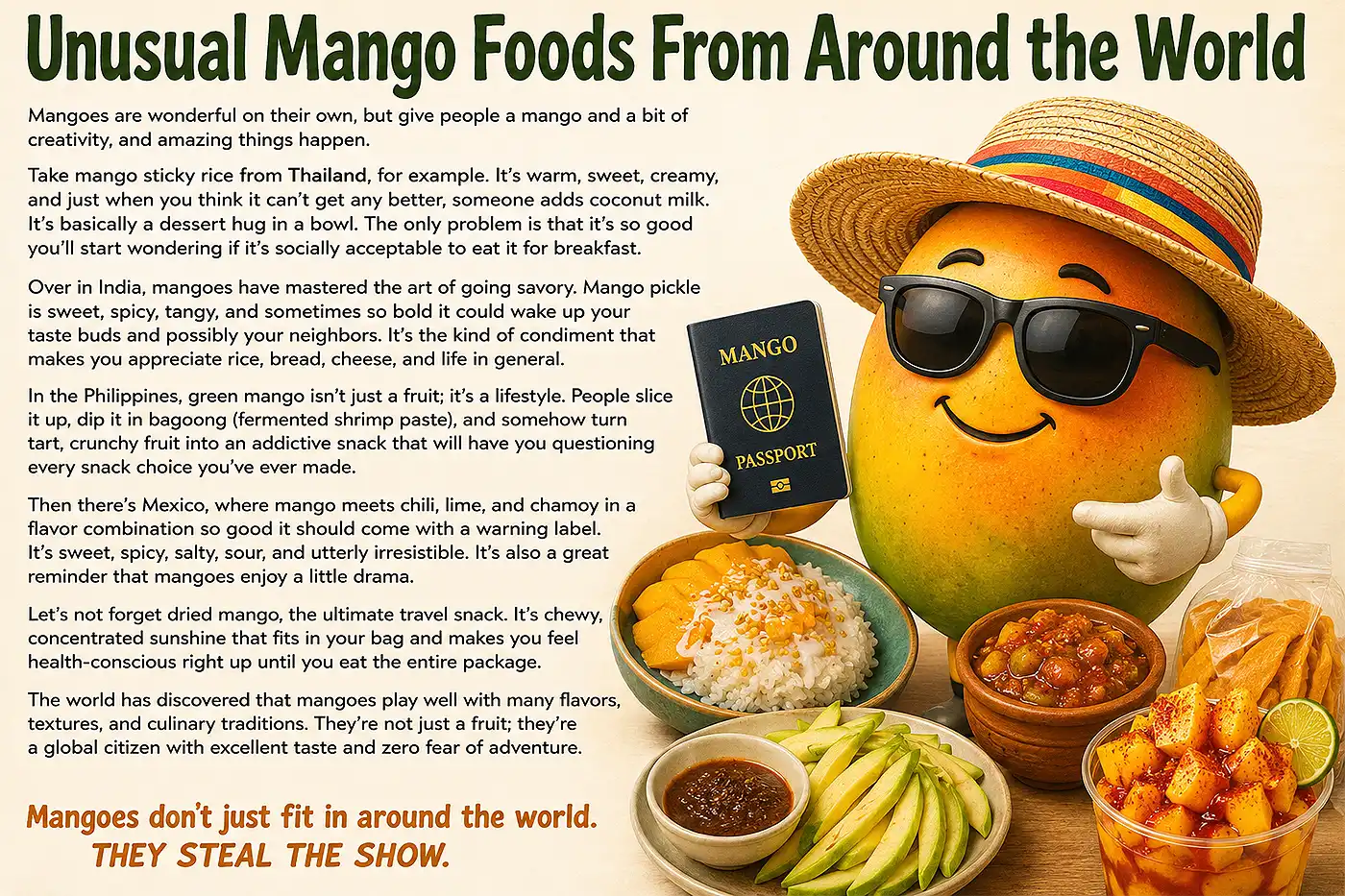
If mangoes had a résumé, the section titled "Kitchen Experience" would run for several pages. Few fruits are as versatile as the mango. It can be the star of a breakfast smoothie, the surprise ingredient in a savory dinner, the highlight of a refreshing snack, or the grand finale in a decadent dessert. Somehow, it manages to fit in almost everywhere while making everything taste a little more tropical.
Fresh and Fabulous
The simplest way to enjoy a mango is often the best. Peel it, slice it, and enjoy it fresh. No complicated recipe. No special equipment. Just you, a mango, and a growing realization that napkins were a good idea.
Smoothies That Taste Like Vacation
Mangoes are smoothie royalty. Blend them with yogurt, bananas, strawberries, pineapple, or coconut milk, and you'll have a drink that tastes like it should come with a beach chair and ocean view. The best part is that nobody needs to know it's actually healthy.
Mango Salsa
One of the most popular ways to use mangoes is in fresh salsa. Combined with tomatoes, onions, peppers, cilantro, and lime juice, mangoes create a sweet-and-spicy topping that works beautifully with fish, chicken, shrimp, or tortilla chips. It's proof that mangoes don't mind sharing the spotlight—provided they still get most of the attention.
Salads With Personality
A handful of mango slices can completely transform an ordinary salad. Their sweetness pairs wonderfully with leafy greens, avocados, nuts, grilled chicken, and seafood. Suddenly, lunch feels far less like a responsibility and more like a reward.
Desserts Worth Saving Room For
Mangoes have a natural talent for dessert.
Popular favorites include:
-
- Mango sorbet
- Mango ice cream
- Mango cheesecake
- Mango pudding
- Mango sticky rice
- Mango tarts
- Mango parfaits
These desserts are largely responsible for the phrase, "I couldn't possibly eat another bite... unless it's mango."
Chutneys, Sauces, and Preserves
Around the world, mangoes are transformed into flavorful chutneys, jams, preserves, and sauces. Their natural sweetness pairs beautifully with spices, creating combinations that complement everything from grilled meats to sandwiches.
Frozen Treats for Hot Days
Frozen mango chunks, popsicles, and mango ice cream are perfect for warm summer afternoons. Since National Mango Day falls in July, these frozen delights may qualify as both a celebration and a survival strategy.
The Universal Mango Rule
No matter how mangoes are prepared, one rule remains surprisingly consistent: if a dish contains mangoes, people tend to gather around it. Perhaps it's the flavor. Perhaps it's the aroma. Or perhaps everyone is simply hoping there will be enough left for seconds. Either way, mangoes have earned their place as one of the most beloved ingredients in kitchens around the world—and after one taste, it's easy to understand why.
Fun Facts About National Mango Day
National Mango Day may only last twenty-four hours, but it celebrates a fruit with a history, popularity, and fan base large enough to fill an entire month—or perhaps an entire town called Bruceville.
Before you grab another mango, here are a few fun facts that might make you appreciate this tropical favorite even more.
- National Mango Day is celebrated every year on July 22, giving mango lovers a dedicated day to enjoy their favorite fruit without needing an excuse.
- Mangoes have been cultivated for more than 4,000 years, making them one of the oldest cultivated fruits still widely enjoyed today.
- More mangoes are consumed worldwide each year than almost any other tropical fruit.
- India produces more mangoes than any other country on Earth and grows hundreds of different varieties.
- Some premium mango varieties are so highly prized that they are given as gifts and can sell for surprisingly high prices.
- There are more than 500 recognized mango varieties around the world, although only a fraction regularly appear in supermarkets.
- Mangoes belong to the same plant family as cashews and pistachios. This explains why family gatherings can become unexpectedly interesting.
- A mature mango tree can continue producing fruit for decades, with some trees remaining productive for more than a century.
- Mangoes are often called the King of Fruits, a title they appear to have accepted without becoming the least bit humble.
- The aroma of a ripe mango is often a better indicator of ripeness than its color. In other words, your nose may be smarter than your eyes.
- Some mango trees grow well over 100 feet tall, making them look less like fruit trees and more like tropical apartment buildings.
- Every National Mango Day, countless people confidently believe they can eat a mango neatly. History suggests otherwise.
- The world's mango fans consume millions of mangoes every single day, creating an astonishing amount of happiness—and laundry.
- No scientific study has yet determined the exact number of paper towels required to eat a perfectly ripe mango. Researchers remain optimistic.
National Mango Day reminds us that sometimes the simplest things are also the most enjoyable. After all, not many fruits can boast thousands of years of history, worldwide popularity, and the ability to make grown adults willingly wear mango juice down the front of their shirts.

Why National Mango Day Matters
At first glance, National Mango Day might seem like nothing more than a fun excuse to enjoy a delicious tropical fruit. To be fair, that's a large part of its appeal. Few people are going to complain about a celebration that encourages them to eat something sweet, juicy, and naturally healthy.
But National Mango Day is about more than simply finding creative ways to get mango juice on your shirt.
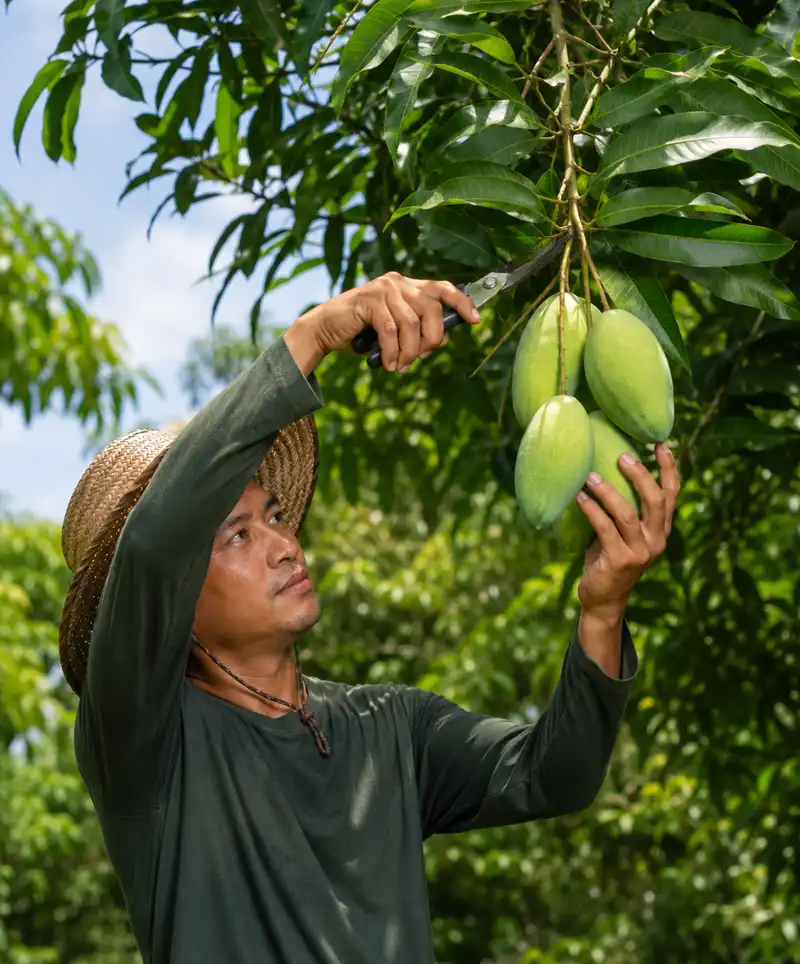
The observance highlights one of the world's most important fruit crops and recognizes the farmers, growers, distributors, and retailers who help bring mangoes from tropical orchards to kitchen tables around the globe. Every mango has a story that begins long before it reaches the produce section of your local supermarket.
The day also encourages people to enjoy fresh fruit and discover new foods. In an age when many snacks arrive wrapped in plastic and accompanied by ingredient lists that require a translator, mangoes offer something refreshingly simple. They're flavorful, nutritious, and require little more than a knife and a willingness to embrace a bit of stickiness.
National Mango Day also serves as a perfect companion to National Mango Month, which is celebrated throughout June. While National Mango Month explores the history, varieties, and worldwide popularity of mangoes, National Mango Day focuses on enjoying the fruit itself and appreciating everything that makes it so beloved. Think of the month as the warm-up act and the day as the grand finale.
Perhaps most importantly, National Mango Day reminds us that food can be fun. It gives families something to share, cooks something new to experiment with, and fruit lovers a perfectly legitimate reason to indulge in their favorite tropical treat.
In a world that often seems determined to make everything complicated, there's something refreshing about a holiday dedicated to enjoying a ripe mango and smiling while you do it—even if the laundry basket ends up participating in the celebration as well.
National Mango Day FAQ
National Mango Day may be all about enjoying one of the world's favorite fruits, but even the most dedicated mango fans occasionally have questions. Whether you're wondering how to pick the perfect mango, store it properly, or simply settle the age-old debate about whether it's possible to eat one neatly, this FAQ has the answers. Grab a napkin, perhaps a second mango, and let's dig in.
When is National Mango Day?
National Mango Day is celebrated every year on July 22. The day is dedicated to enjoying and appreciating one of the world's most popular tropical fruits.
Is National Mango Day the same as National Mango Month?
No. National Mango Month is celebrated throughout June and focuses on the broader history, varieties, and popularity of mangoes. National Mango Day on July 22 is a single-day celebration devoted to enjoying mangoes and all the delicious foods made from them.
Why do mangoes have their own holiday?
Mangoes are one of the most widely consumed fruits in the world. National Mango Day recognizes their popularity, cultural importance, nutritional value, and incredible versatility in the kitchen.
What is the sweetest mango variety?
Many mango enthusiasts consider the Alphonso mango from India to be among the sweetest and most flavorful varieties. Ataulfo, often called the Honey Mango, is another favorite known for its rich sweetness and creamy texture.
How should mangoes be stored?
Unripe mangoes should be kept at room temperature until they soften and develop a sweet aroma. Once ripe, they can be stored in the refrigerator for several days to help maintain freshness.
Can mangoes be frozen?
Yes. Mangoes freeze very well. Simply peel and cut them into chunks before freezing. Frozen mangoes are perfect for smoothies, desserts, and refreshing summer treats.
What foods pair well with mangoes?
Mangoes pair wonderfully with seafood, chicken, pork, yogurt, coconut, lime, berries, and spicy foods. Their natural sweetness makes them suitable for both savory and sweet dishes.
Are green mangoes edible?
Absolutely. In many countries, green mangoes are enjoyed as snacks or used in salads, pickles, chutneys, and savory dishes. They have a tart flavor that is very different from the sweetness of ripe mangoes.
Which country produces the most mangoes?
India is the world's largest producer of mangoes and grows hundreds of different varieties. Mangoes have been cultivated there for more than 4,000 years.
What is the best way to pick a ripe mango?
A ripe mango should have a pleasant fruity aroma near the stem and yield slightly when gently squeezed. Color alone is not always a reliable indicator because different varieties ripen to different shades.
Can you eat a mango without making a mess?
Scientists continue to investigate this possibility. So far, results remain inconclusive.
One More Sticky Bite Before You Go
National Mango Day may only come around once a year, but the joy of a perfectly ripe mango never really goes out of season.
Whether you enjoy them fresh from the cutting board, blended into a smoothie, piled onto sticky rice, or transformed into a favorite family recipe, mangoes have a remarkable way of turning an ordinary moment into something a little more memorable. Their sweetness, versatility, and worldwide popularity have earned them countless fans and the well-deserved title of King of Fruits.
More importantly, National Mango Day reminds us that some of life's greatest pleasures are also among its simplest. A good mango doesn't need fancy packaging, complicated instructions, or a marketing campaign. It simply needs to be ripe, juicy, and ready to make a glorious mess.
So when July 22 arrives, celebrate with confidence. Try a new variety, share one with a friend, or simply sit back and enjoy every delicious bite. Just remember to keep a napkin nearby and perhaps avoid wearing your favorite shirt.
After all, a little mango juice is a small price to pay for happiness.
And if you happen to finish a mango without getting sticky, please contact the scientific community immediately. They will want to study your technique.