There’s something almost philosophical about dark chocolate with almonds—it’s as if they’re the grown-up...
Once upon a time, someone looked at tennis and thought, “This would be perfect if it involved less running,...
Imagine trying to eat a cherry popsicle on a sweltering summer day without ending up with sticky red...
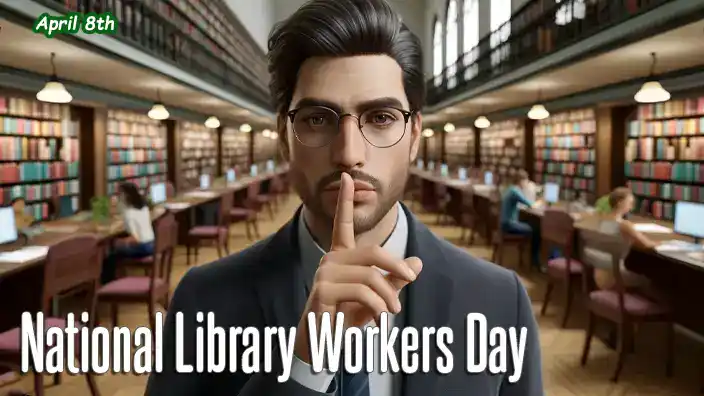
Armed with an uncanny ability to locate a single misplaced book in a sea of thousands, an...
National Meteor Watch Day is the only holiday where lying flat on your back and staring into space...
Ever answered a question with absolute confidence… only to realize you were spectacularly wrong?...
On November 6, 1869, Rutgers University defeated Princeton University, then known as the College of New Jersey, 6–4 in what is widely recognized as the first intercollegiate football game in American history. Played in New Brunswick, New Jersey, before approximately 100 spectators, the contest bore little resemblance to modern American football. The teams used a round ball, fielded 25 players each, and followed rules more closely related to soccer than today's gridiron game. Each successful score was called a "game," and Rutgers claimed victory by winning six of the ten games played. There were no helmets, shoulder pads, or multimillion-dollar television contracts, although the enthusiasm and occasional chaos would have been familiar to modern football fans.
The rivalry between the two New Jersey institutions had been simmering long before anyone kicked a football. Located roughly 20 miles apart, Rutgers and Princeton had competed fiercely in academics, athletics, and even a peculiar dispute involving possession of an old Revolutionary War cannon. Princeton had previously humiliated Rutgers with a 40–2 baseball victory in 1866, giving Rutgers additional motivation to seek revenge on the football field. Following the historic November 6 encounter, Princeton won a rematch later that month, evening the series at one victory apiece. A proposed third game was never played, leaving both schools with identical 1–1 records for the 1869 season.
Although the original contest looked more like an enthusiastic neighborhood soccer match than today's highly organized college football, it marked an important milestone in the development of American sports. Over the following decades, the game evolved through changing rules, new formations, and the introduction of distinctive features such as the line of scrimmage and forward pass. In 2019, Rutgers theater students recreated the historic encounter to celebrate the 150th anniversary of college football. From 25 students chasing a round ball in New Jersey to enormous stadiums filled with cheering supporters, college football has certainly come a long way. One suspects those original players would be particularly astonished by the price of stadium hot dogs.
On November 6, 1977, a devastating flood struck Toccoa Falls College in northeastern Georgia when the earthen Kelly Barnes Dam suddenly collapsed, releasing millions of gallons of water into the valley below. Located approximately 90 miles northeast of Atlanta, the dam had been constructed in the late nineteenth century and held back a reservoir high above the college campus. The institution had been established in 1911 by R. A. Forrest, who envisioned a Christian educational community surrounded by the natural beauty of the Appalachian foothills. For decades, the dam and its reservoir had been familiar features of the landscape, but in the early morning darkness of November 6, that peaceful setting became the scene of one of Georgia's deadliest dam failures.
Following a period of heavy rainfall, the dam gave way at approximately 1:30 a.m., sending a powerful torrent of water, mud, and debris down the narrow valley toward the college. The flood struck with terrifying speed, destroying buildings and sweeping away residents before many had an opportunity to escape. Students, faculty members, employees, and their families were caught in the disaster, which claimed 39 lives, including children. Some survivors escaped by climbing to higher ground or clinging to floating debris, while others were rescued amid the wreckage. Emergency crews and volunteers worked through the devastation searching for survivors and recovering victims. The tragedy exposed the potentially catastrophic consequences of aging dams, particularly when communities are located directly downstream.
The disaster prompted investigations into the dam's failure and contributed to increased attention to dam safety and inspection requirements across the United States. First Lady Rosalynn Carter visited Toccoa Falls College following the flood, offering encouragement to a community struggling with enormous grief. Despite the destruction and loss of life, the college continued its educational mission, eventually rebuilding and establishing memorials honoring those who died. Today, the November 6, 1977, Toccoa Falls flood remains a solemn chapter in Georgia's history and a powerful reminder of the importance of maintaining dams, monitoring structural safety, and preparing communities for emergencies. For the families who lost loved ones, however, its significance reaches far beyond engineering lessons and safety regulations.