Where Big Shoes, Bad Jokes, and Perfect Timing Steal the Show
If you’ve ever laughed at a pie to the face, wondered how many people can fit into one tiny car, or questioned the life choices of someone willingly wearing polka dots and a red nose—then congratulations, you already understand the spirit of International Clown Week.
Celebrated during the first full week of August, this delightfully odd occasion shines a spotlight on the performers who have spent generations making people laugh, gasp, and occasionally hide behind the couch. Clowns are part comedy, part theater, part chaos—and somehow, it all works.
A Tradition Older Than the Rubber Chicken
Clowning didn’t start with circus tents and oversized shoes. The roots go way back—ancient civilizations had jesters, fools, and comedic performers whose job was to entertain (and sometimes poke fun at authority without losing their heads… usually).
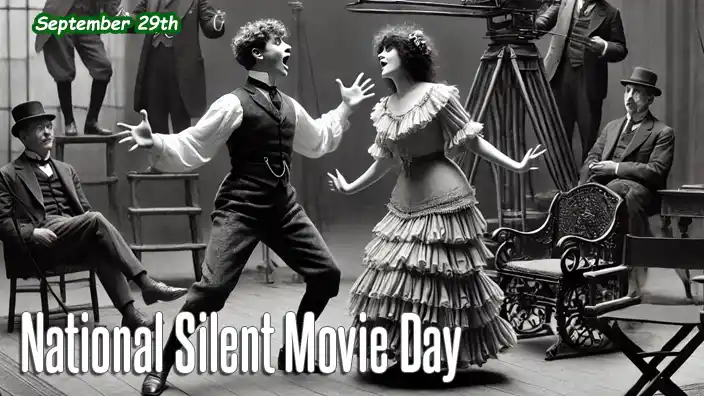
Fast forward to the golden age of the circus, and clowns became the stars of the show. Figures like Joseph Grimaldi helped shape modern clowning, introducing the exaggerated makeup and physical comedy we still recognize today. Later came silent film legends like Charlie Chaplin and Buster Keaton, whose slapstick brilliance proved that you don’t need words to get a laugh—just good timing and a willingness to fall down creatively.
By the time the circus boom hit full stride, clowns had become essential. You had your classic “whiteface” clown (the bossy one), the “auguste” clown (the lovable fool), and the “character” clown (somewhere in between, usually holding a mop or pretending to be a confused doctor).

Why We Celebrate (Besides the Obvious)
Let’s be honest—making people laugh is harder than it looks. Clowns don’t just stumble around randomly; there’s timing, training, and a surprising amount of discipline behind every pratfall. What looks like chaos is usually carefully choreographed down to the second. A well-timed trip, a perfectly delayed reaction, or a slow, exaggerated double-take can mean the difference between polite silence and a full-on belly laugh. Behind the greasepaint, many clowns study movement, mime, improvisation, and even elements of dance and theater. They rehearse routines over and over, refining every gesture until it feels effortless—even though it’s anything but.
Physical comedy, in particular, demands control. Falling safely, reacting convincingly, and keeping the rhythm of a routine going without breaking character takes real skill. It’s a bit like being an athlete, except your job is to miss the chair instead of sitting in it. On top of that, clowns must read their audience in real time, adjusting their performance to the crowd's mood. If a joke doesn’t land, they pivot. If the audience is roaring, they stretch the moment just long enough to keep the laughter rolling.
And then there’s the unspoken rule of clowning: commitment. Half-hearted silliness doesn’t work. A clown has to fully believe in the bit—whether they’re pretending to struggle with an invisible wall or conducting a wildly uncooperative orchestra. That level of dedication is what turns simple gags into memorable moments. So while it may look like carefree nonsense on the surface, good clowning is built on precision, practice, and a willingness to look completely ridiculous in the name of making someone else smile.
International Clown Week celebrates:
- The art of physical comedy
- The tradition of live performance
- The ability to bring joy to kids and adults alike
- And yes, the courage it takes to wear suspenders that loud in public
Clowns also play an important role outside the circus. Many work in hospitals, helping children cope with stress and fear through humor. It turns out that laughter really is good medicine—no prescription required.
The Many Faces of Clowning
Not all clowns are created equal—and that’s probably for the best. Some clowns are bright, cheerful, and full of energy, juggling and tumbling their way into your good graces. Others lean into the theatrical side, telling stories through exaggerated expressions and movement. And then… there are the ones that have fueled an entire generation’s fear of clowns. (Looking at you, Pennywise.) But let’s not hold that against the profession—every field has its bad apples.
Modern clowning has expanded far beyond the circus. You’ll find clowns in street performances, theater productions, festivals, and even classrooms where they teach physical comedy and improvisation.

How to Celebrate Without Joining the Circus
You don’t need a striped tent, a juggling license, or the ability to squeeze into a car the size of a shoebox to take part in International Clown Week. In fact, the best way to celebrate is to borrow a little of the clown’s mindset—lighthearted, playful, and just a touch ridiculous.
Start with the simplest approach: bring more laughter into your day on purpose. Watch a classic comedy and really pay attention to the timing, the expressions, and the physical humor. There’s a reason performers like Charlie Chaplin and Buster Keaton are still talked about today—they mastered the art of making people laugh without saying a word. That’s not easy, and it’s worth appreciating.
If you’re feeling a little adventurous (or your dignity is on vacation), try a bit of clowning yourself. No need to go full face paint—just lean into the silliness. Make exaggerated expressions, tell intentionally terrible jokes, or commit to a bit so completely that your family starts questioning your sanity. That’s half the fun. Clowning has always been about commitment—once you start the joke, you go all in.
Another great way to celebrate is by supporting live performers. Street entertainers, local theater groups, and festival acts often include elements of clowning, whether it’s physical comedy, improvisation, or audience interaction. These folks are keeping a very old tradition alive, usually while balancing on something that really shouldn’t be stood on.
For something a little more meaningful, look into organizations that bring humor into hospitals and care centers. Many professional clowns work in these environments, helping people—especially children—cope with difficult situations. It’s a powerful reminder that clowning isn’t just about laughs; it’s about connection.
You can also bring the celebration home in small, easy ways:
- Share a joke (the cornier, the better)
- Watch a family-friendly comedy together
- Dig up an old board game and let things get competitive in the silliest way possible
- Wear something outrageously bright just to see who notices first
And here’s an old-school idea that never fails: lighten up your own routine. Smile more. Laugh at your own mistakes. If you trip over your own feet, take a bow like you meant to do it. That’s classic clown energy right there.
At its heart, International Clown Week isn’t about costumes or performances—it’s about embracing humor, letting go of a little pride, and remembering that life doesn’t always need to be taken so seriously. And if you can do that without honking a horn in public… well, you’re already ahead of most clowns.
The Real Magic Behind the Makeup
Here’s the thing: beneath the paint, wigs, and questionable fashion choices, clowns are performers dedicated to one simple goal—making people feel better, even if just for a moment. And in a world that can get a little too serious, that’s no small feat.
So during International Clown Week, take a second to appreciate the folks willing to look ridiculous so the rest of us can laugh. That’s a pretty noble calling… even if it involves honking noises and oversized trousers.