March 23, 1953, in Chicago, Illinois
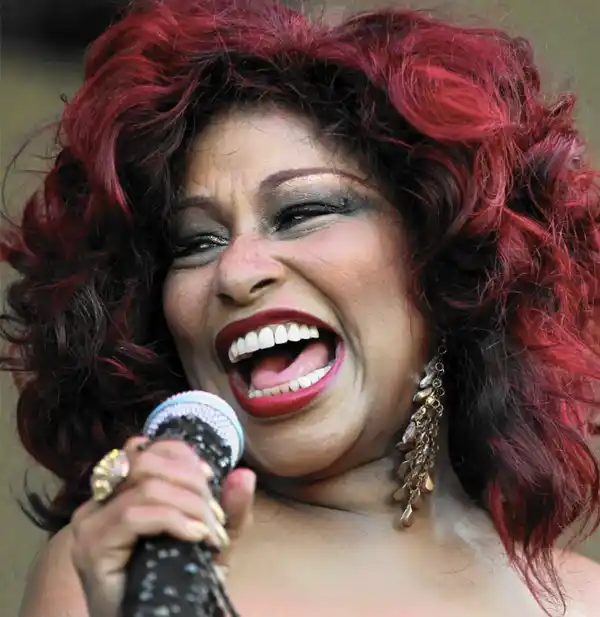
Some voices don’t just sing. They arrive. And when Chaka Khan arrives, the room straightens up and pays attention.
Born Yvette Marie Stevens on March 23, 1953, in Chicago, Illinois, Chaka Khan grew up surrounded by music, activism, and enough cultural energy to power a stadium tour. She began performing in her early teens and quickly found her footing in the vibrant Chicago music scene. By the early 1970s, she joined the funk band Rufus — and that’s when things truly caught fire.
With Rufus, she delivered powerhouse vocals that blended funk, soul, and rock in ways that felt both raw and polished. The 1974 hit “Tell Me Something Good,” written by Stevie Wonder, became a breakthrough moment. It didn’t just climb charts — it introduced the world to a voice that could be silky one second and thunderous the next.
By the late 1970s, Chaka stepped confidently into a solo career. In 1978, she released “I’m Every Woman,” a song that became more than a hit — it became a declaration. The track captured her charisma, independence, and vocal command in one irresistible package. Years later, the song would find new life through Whitney Houston, proving that great songs — and great performances — never really fade.
Then came the 1984 smash “I Feel for You,” originally written by Prince. The song blended R&B, pop, and hip-hop elements in a way that felt ahead of its time, complete with a rap intro and harmonica by Stevie Wonder. It showcased Chaka Khan’s adaptability. She wasn’t just riding trends — she was setting them.
Across decades, Chaka Khan has navigated shifts in the music industry with resilience. From vinyl to streaming, disco to digital, she has maintained a presence built on vocal strength and authenticity. She has also been open about personal struggles, including battles with addiction, and her willingness to speak candidly about recovery has added another layer of respect to her legacy.
Her voice is unmistakable: rich, textured, emotionally charged, and technically impressive. Few artists can glide through melisma one moment and belt with gospel authority the next. She doesn’t just hit notes — she owns them.
Over the years, she has collaborated with an impressive range of artists, crossed genres with ease, and influenced generations of singers. Contemporary R&B and pop vocalists owe more than a passing nod to the standard she set.
And through it all, she has remained unmistakably herself — bold, stylish, and never halfway about anything.