Raise a Glass to National Sangria Day
Every December 20, National Sangria Day celebrates a wonderfully sociable Spanish wine punch that has convinced generations of people that wine and fruit belong together in the same pitcher. Sangria combines wine, fresh fruit, and sometimes spirits, juice, or sparkling water to create a colorful beverage associated with Spanish hospitality, festive gatherings, and leisurely afternoons. Whether you prefer traditional red wine sangria, a refreshing white sangria, or a sparkling variation, there is something particularly cheerful about a drink that arrives carrying its own fruit salad. And while December might seem an unusual time to celebrate a beverage associated with sunshine and summer vacations, a pitcher of winter sangria can bring a welcome splash of color to the holiday season.
National Sangria Day is an informal food-and-drink observance rather than an official Spanish national holiday, and its precise origins are not well documented. Nevertheless, December 20 provides an excellent opportunity to explore sangria's history, learn how to prepare it, discover its many variations, and appreciate the traditions surrounding this internationally popular beverage. From Spanish tapas bars to American backyard gatherings, sangria has earned a reputation as a drink designed for sharing. After all, anyone who prepares an entire pitcher of wine, fruit, and other delicious ingredients is either expecting company or planning a remarkably ambitious evening.
What Is Sangria?
Sangria is a wine-based punch traditionally associated with Spain and Portugal, typically prepared by combining red wine with pieces of fresh fruit and, depending on the recipe, sugar, fruit juice, spirits, or sparkling water. Oranges, lemons, apples, and peaches are common additions, although regional preferences and individual creativity produce countless variations. The ingredients are usually mixed and allowed to chill so the fruit can contribute its flavor to the wine. The finished drink is generally served cold, often over ice, with some of the fruit included in each glass.
The name sangria is related to the Spanish word sangre, meaning blood, a reference to the rich red color of traditional red wine sangria. Despite its dramatic name, the beverage is considerably more welcoming than its vocabulary might suggest. Classic sangria often uses a dry, fruity red wine, with Spanish varieties such as Tempranillo or Garnacha providing a suitable foundation. Additional ingredients should complement the wine rather than overwhelm it, creating a balanced mixture of fruitiness, acidity, sweetness, and refreshment. The ideal result tastes like a thoughtfully prepared wine punch, not a bottle of syrup that has accidentally encountered a vineyard.
Although red wine sangria remains the best-known version, contemporary recipes frequently feature white wine, rosé, or sparkling wine. White sangria, often called sangría blanca, works particularly well with peaches, citrus fruits, apples, and other lighter flavors. Rosé sangria can incorporate strawberries and raspberries, while sparkling versions add a lively effervescence that makes them popular at celebrations. Alcohol-free sangria-inspired punches are another option, using grape juice, citrus juice, fresh fruit, and sparkling water to reproduce much of the flavor and presentation without the alcohol. The possibilities are extensive, provided the person holding the mixing spoon remembers that more ingredients do not automatically produce a better drink.
The History and Origins of Sangria
The history of sangria reflects a much older European tradition of combining wine with other ingredients. Ancient Greek and Roman societies sometimes flavored wine with herbs, spices, honey, or other additions, although it would be misleading to describe those preparations as sangria in the modern sense. Over subsequent centuries, wine punches and flavored wines developed in different parts of Europe, influenced by local agricultural products, trade, and drinking customs. Spain and Portugal developed their own traditions of serving wine with fruit and other flavorings, eventually producing the recognizable beverage now associated with the Iberian Peninsula.
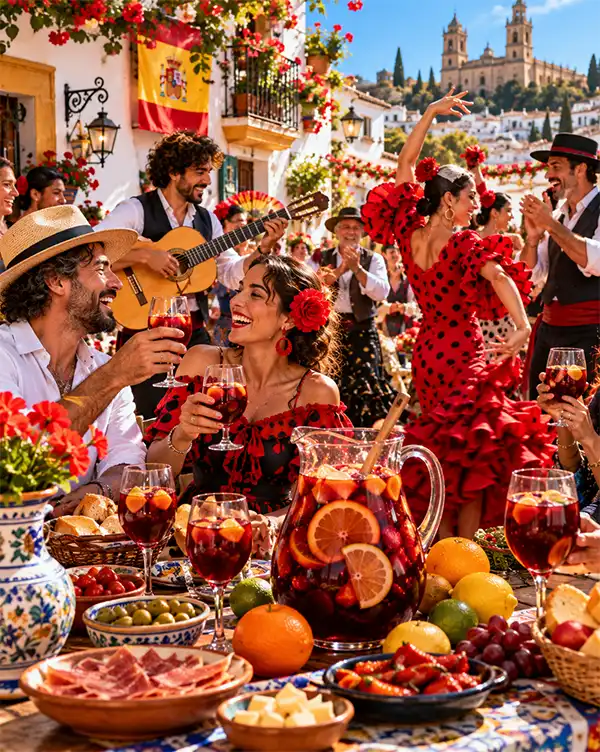
The precise moment when modern sangria emerged is difficult to identify because recipes evolved gradually rather than appearing through a single inventor or documented event. Spain's extensive wine-producing regions provided an abundant foundation for such drinks, while locally available citrus fruits and other produce offered natural flavoring ingredients. Sangria became associated with relaxed meals, warm-weather gatherings, and shared pitchers, although it should not be assumed that every Spanish household follows the same recipe. Indeed, ordering sangria in Spain can produce quite different results depending on the region, establishment, and intended audience. Some Spaniards are more likely to choose a simple glass of wine or tinto de verano, a refreshing combination of red wine and lemon-flavored soda, than a large pitcher of elaborately decorated sangria.
Sangria gained significant attention in the United States during the 1964 New York World's Fair, where it was served at the Spanish Pavilion and introduced to many American visitors. Although versions of sangria were known internationally before the fair, the event helped popularize the drink among American consumers. Its appealing appearance, approachable flavor, and suitability for parties contributed to its growing popularity in restaurants, bars, and homes. Before long, sangria had become a familiar fixture at summer cookouts, Spanish-themed dinners, and celebrations where someone inevitably announced that their grandmother possessed the only authentic recipe.
Is Sangria Really Spanish?
Sangria is strongly identified with Spain, but its history and legal definition also include Portugal. Under European Union regulations, the traditional product designation Sangria/Sangría is reserved for certain wine-based aromatized drinks produced in Spain or Portugal. Comparable beverages produced elsewhere in the European Union may use the term only with additional labeling that identifies their place of production, subject to the applicable rules. The regulations also establish requirements concerning ingredients and alcoholic strength for products sold under the regulated designation.
These labeling rules concern commercially marketed beverages rather than the pitcher someone prepares in a kitchen for friends and family. Home cooks remain free to experiment with their preferred wines, fruits, and flavorings. The important distinction is that sangria is both a traditional beverage associated with the Iberian Peninsula and a broader international style of wine punch. A homemade strawberry-and-peach version might not resemble a traditional Spanish recipe, but it can still be a delightful addition to a gathering. The fruit, fortunately, is unlikely to request proof of geographical origin before entering the pitcher.
Red, White, Rosé, and Sparkling Sangria
Traditional red wine sangria is the familiar classic, generally featuring red wine, citrus fruit, and other chopped fruit, with optional additions such as brandy or a little sweetener. A dry, moderately priced wine is often a sensible choice because the fruit and additional ingredients will alter its flavor. An expensive collector's bottle is rarely necessary, and using one may provoke considerable distress among wine enthusiasts. The objective is to produce a balanced and enjoyable punch, not to demonstrate that a prized vintage can survive being introduced to a chopped orange.
White sangria offers a lighter alternative, often prepared with dry white wine and fruits such as peaches, apples, pears, or citrus. Rosé sangria provides a colorful middle ground, especially when paired with berries and summer stone fruits. Sparkling sangria can be prepared with sparkling wine or by adding sparkling water shortly before serving. Carbonated ingredients are best introduced near the end of preparation so the drink retains its bubbles. Otherwise, the promised sparkling celebration may arrive with all the excitement of a deflated party balloon.
Seasonal variations make sangria particularly versatile. Summer recipes often feature peaches, berries, citrus, and refreshing sparkling additions, while autumn sangria may incorporate apples, pears, and cinnamon. Winter sangria can feature cranberries, oranges, pomegranate, and warming spices, making it especially appropriate for National Sangria Day on December 20. The drink can be adapted to complement different menus, temperatures, and occasions without abandoning its essential identity as a fruit-flavored wine punch.
How to Make Homemade Sangria
Preparing homemade sangria is relatively straightforward, although a little attention to balance makes a noticeable difference. Begin with a bottle of wine that you enjoy drinking on its own. Add freshly sliced fruit, such as an orange, lemon, and apple, along with a small amount of orange juice if desired. Depending on personal preference, a modest quantity of brandy or orange liqueur may provide additional complexity, while a little sugar or simple syrup can soften an overly tart mixture. Taste before adding sweetener, because the fruit, juice, and wine may already provide sufficient sweetness.
After combining the ingredients in a large pitcher, refrigerate the mixture for a few hours to allow the flavors to develop. Chilling also helps produce the refreshing character for which sangria is known. Avoid leaving delicate fruit in the wine for excessively long periods, as some ingredients can become mushy or contribute unwanted bitterness. When ready to serve, add ice to individual glasses and, if desired, finish the pitcher with chilled sparkling water. Using frozen fruit instead of some of the ice can also help keep the drink cool without diluting it as quickly.
One important consideration is alcoholic strength. Sangria may taste sweeter and less alcoholic than straight wine, particularly when fruit juice and sweeteners are added, but it can still contain a substantial amount of alcohol. Adding brandy or liqueur increases that strength further. Serving moderate portions, providing food, and offering alcohol-free alternatives helps ensure that everyone can participate comfortably. And, of course, anyone who plans to drive should choose a nonalcoholic beverage. The fruit may disguise the taste of alcohol, but it has never successfully negotiated with a breathalyzer.

Celebrating National Sangria Day on December 20
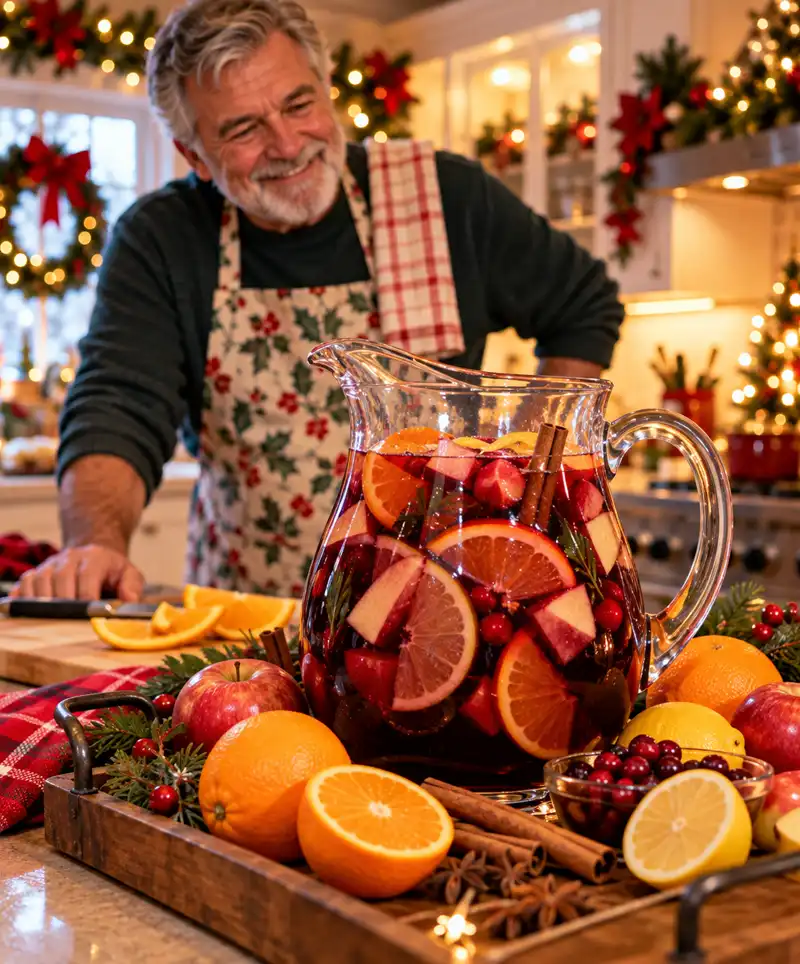
There are plenty of enjoyable ways to observe National Sangria Day, whether you are hosting a gathering, planning a Spanish-inspired meal, or simply interested in learning something new about this traditional wine punch. Because the observance falls just before Christmas, it offers an opportunity to experiment with festive ingredients and seasonal flavors. A winter sangria featuring orange slices, cranberries, pomegranate seeds, and cinnamon can look particularly attractive on a holiday table. The red fruit and citrus create a colorful presentation that requires surprisingly little decoration, especially if the pitcher itself is large enough to attract attention.
Hosting a sangria tasting is another possibility. Friends can prepare different recipes using red, white, or rosé wine, while an alcohol-free fruit punch ensures that nondrinkers are included. Small tasting portions allow guests to compare the flavors without making alcohol consumption the focus of the occasion. You might even arrange a friendly competition for the most creative combination of ingredients or the most attractive presentation. Naturally, there should be a prize for the person who remembers to bring the snacks, because an enthusiastic tasting party without food can become memorable for entirely the wrong reasons.
National Sangria Day also provides a wonderful excuse to explore Spanish cuisine. Serve a selection of tapas, learn about Spanish wine regions, or prepare a traditional dish that complements the fruity flavors of sangria. Those who enjoy culinary experimentation might create a signature recipe using locally available fruit, while others may prefer to follow a classic preparation. The important part is appreciating the beverage's cultural background and enjoying the social experience that has contributed to its international popularity.
What Foods Go Best With Sangria?
Sangria pairs naturally with many foods associated with Spanish dining, particularly tapas and other dishes designed for sharing. Patatas bravas, the popular Spanish dish of fried potatoes served with a flavorful sauce, offers a satisfying contrast to a refreshing glass of sangria. Manchego cheese, olives, roasted peppers, and Spanish tortilla are equally suitable additions to a tapas spread. Depending on the sangria recipe, grilled vegetables, seafood, chicken, or cured meats can also work well.
Red wine sangria generally complements richer dishes, including grilled meats, savory rice preparations, and robust cheeses. White sangria often works well with lighter foods such as seafood, salads, and fresh vegetables, while rosé sangria can accompany a broad range of appetizers and casual meals. Paella is another popular choice for a Spanish-themed gathering, although the many regional variations of this famous rice dish deserve appreciation in their own right. Pairing food and sangria is ultimately a matter of balance: neither should overpower the other.
For dessert, consider fresh fruit, almond-based pastries, or a modest selection of sweets that complement the drink's flavors. Extremely sweet desserts combined with heavily sweetened sangria can become overwhelming, so a lighter pairing may be more enjoyable. A successful sangria gathering does not require an elaborate banquet, but it does benefit from good food, pleasant company, and someone willing to wash the pitcher afterward. That last responsibility, strangely enough, rarely attracts volunteers.
Fascinating Sangria Facts
Sangria has traveled a long way from its Iberian roots, collecting colorful variations, culinary traditions, and a few misunderstandings along the way. Here are some fascinating facts about this popular Spanish wine punch that may provide excellent conversation material while everyone waits for the fruit to finish soaking.
- Spanish origins: Sangria is traditionally associated with Spain and Portugal.
- A bloody name: The word sangria comes from the Spanish sangre, meaning blood.
- World's Fair fame: Sangria gained American attention at the 1964 New York World's Fair.
- European protection: EU regulations restrict the traditional commercial Sangria/Sangría designation.
- Not always red: White, rosé, and sparkling variations are widely enjoyed.
- Fruit matters: Citrus, apples, peaches, and berries are popular ingredients.
- Seasonal flexibility: Sangria can feature summer fruit or winter spices.
- Best served chilled: Refrigeration allows flavors to mingle before serving.

A Little Sangria Humor
A drink that combines wine, fresh fruit, and a large pitcher practically invites a few jokes. Sangria may have a serious cultural history, but there is no reason its celebration cannot include a little laughter. After all, anyone who has watched a slice of orange repeatedly escape a serving spoon knows that preparing this beverage can occasionally resemble a small aquatic rescue operation.
- Why did the orange join the sangria? It wanted to be part of the zest crowd.
- What did the grape say to the peach? "This party is getting a little fruity!"
- Why is sangria such a good party guest? It always knows how to mix.
- What did the pitcher say when everyone arrived? "Pour yourselves together!"
- Why did the apple refuse to leave the sangria? It was having a grape time.
- What's sangria's favorite social activity? A good old-fashioned mixer.
- When life hands you lemons, add oranges, apples, and a little wine. Suddenly, things look considerably more festive.
Frequently Asked Questions About Sangria
Sangria may look like a simple combination of wine and fruit, but this famous Spanish wine punch has a surprising number of stories, traditions, and variations hiding beneath those floating orange slices. From its Iberian origins to the best wines, fruits, and preparation methods, there is plenty to discover about this refreshing beverage. Here are answers to some frequently asked questions about sangria, just in case someone at your next gathering starts interrogating the pitcher.
When is National Sangria Day celebrated?
National Sangria Day is celebrated annually on December 20. This unofficial food and beverage observance recognizes sangria, the popular wine-based punch traditionally associated with Spain and Portugal. Although sangria is often enjoyed during warm summer weather, the December celebration provides an opportunity to prepare festive winter variations featuring seasonal ingredients such as cranberries, oranges, apples, pomegranate, and cinnamon.
What is sangria made from?
Traditional sangria is generally prepared with red wine, fresh fruit, and optional ingredients such as fruit juice, sugar, brandy, or sparkling water. Oranges, lemons, apples, and peaches are common additions. The ingredients are mixed and chilled to allow the flavors to blend before serving. Modern variations may use white wine, rosé, or sparkling wine, making sangria a versatile beverage that can be adapted to different seasons and personal preferences.
Where did sangria originate?
Sangria is traditionally associated with Spain and Portugal, where wine-based drinks flavored with fruit developed over time. Although ancient Greeks and Romans also prepared flavored wines, modern sangria cannot be traced conclusively to a single ancient recipe or inventor. The beverage became internationally popular during the twentieth century, particularly after gaining attention at the Spanish Pavilion during the 1964 New York World's Fair.
What does the word sangria mean?
The name sangria is derived from the Spanish word sangre, meaning blood. The name refers to the deep red appearance of traditional sangria made with red wine. Although the beverage's name reflects its original color, modern versions may be golden, pink, or pale yellow when prepared with white wine, rosé, or other ingredients.
What is the best wine for making sangria?
A dry, fruity, moderately priced wine is generally a good choice for homemade sangria. Spanish red wines made from Tempranillo or Garnacha grapes are popular options because their fruit-forward flavors complement citrus and other fresh ingredients. White sangria can be prepared with wines such as Sauvignon Blanc or Pinot Grigio. Expensive wines are usually unnecessary because the additional ingredients substantially influence the finished drink.
How long should sangria sit before serving?
Homemade sangria generally benefits from being refrigerated for approximately two to four hours before serving. This allows the wine and fruit flavors to combine while keeping the beverage pleasantly chilled. Some recipes recommend longer refrigeration, but extended soaking can cause delicate fruit to soften or citrus peels to contribute bitterness. Sparkling water or other carbonated ingredients should be added shortly before serving to preserve their bubbles.
Does sangria contain more alcohol than regular wine?
The alcohol content of sangria depends on its ingredients and proportions. Sangria made with wine and nonalcoholic fruit juice may contain less alcohol by volume than the original wine, while recipes containing brandy, orange liqueur, or other spirits can be considerably stronger. Because the sweetness and fruit flavors may disguise the taste of alcohol, it is important to serve sangria responsibly and avoid assuming that a fruity drink is necessarily a weak one.
Can sangria be made without alcohol?
Yes. Alcohol-free sangria can be prepared using red or white grape juice, citrus juice, fresh fruit, and sparkling water. Some recipes use nonalcoholic wine as a substitute for traditional wine. These variations provide much of sangria's colorful presentation and fruity flavor without the alcohol, making them suitable for family gatherings, designated drivers, and guests who prefer nonalcoholic beverages.
What is the difference between sangria and tinto de verano?
Sangria is a wine-based punch containing fruit and sometimes additional spirits, juice, or sweeteners. Tinto de verano, meaning summer red wine, is a simpler Spanish beverage usually made by combining red wine with lemon-flavored soda or another carbonated mixer. Both drinks are served chilled, but tinto de verano generally requires fewer ingredients and less preparation time. It is also a familiar everyday refreshment in Spain.
What foods pair well with sangria?
Sangria pairs particularly well with Spanish tapas, including patatas bravas, Manchego cheese, olives, Spanish tortilla, and grilled vegetables. Red wine sangria often complements grilled meats and richer dishes, while white sangria works well with seafood, salads, and lighter appetizers. Paella is another popular choice for a Spanish-themed gathering. The best pairing depends on the sweetness, acidity, and fruit flavors of the sangria being served.
Why National Sangria Day Is Worth Celebrating
National Sangria Day is more than an excuse to prepare a colorful beverage. It celebrates a tradition rooted in Spanish and Portuguese wine culture, centuries of culinary experimentation, and the simple pleasure of sharing food and drink with others. Sangria's worldwide popularity demonstrates how a regional specialty can become part of international hospitality while continuing to inspire new interpretations. Whether prepared according to a traditional recipe or adapted with seasonal ingredients, it remains a recognizable symbol of relaxed gatherings and cheerful conversation.
The December 20 observance also offers an opportunity to bring a little warmth and color into the winter season. While much of the Northern Hemisphere is preparing for cold weather and holiday celebrations, a pitcher of sangria can provide a reminder of sunny afternoons, Spanish courtyards, and long meals enjoyed in good company. There is no requirement to travel to Madrid, Barcelona, or Lisbon to appreciate the flavors, although anyone volunteering to conduct field research should probably be allowed to proceed.
So, on National Sangria Day, explore the history of this famous wine punch, experiment with fresh fruit, prepare a delicious meal, and enjoy the occasion responsibly with friends or family. Whether your glass contains traditional red sangria, a festive winter variation, or an alcohol-free alternative, the spirit of the celebration remains the same: good flavors, good company, and a little creativity.
¡Salud! And remember, if the fruit begins demanding its own wine glass, you may have made the pitcher a little too strong.