The World's Juiciest Food Fight
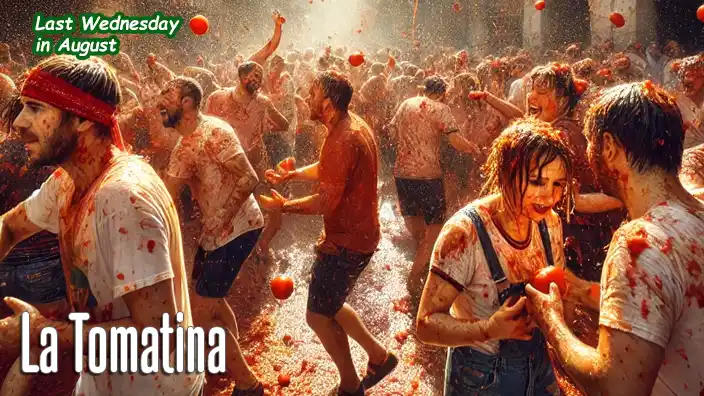
Every year, on the last Wednesday of August, the small town of Buñol in Spain transforms into a scene straight out of a tomato apocalypse. Thousands of people from around the globe gather for La Tomatina, a festival where the main event is, quite literally, the world’s biggest and messiest food fight. Imagine tens of thousands of ripe tomatoes flying through the air, creating a red sea of pulpy chaos—and you’ve got yourself La Tomatina.
Wasted Food?
At first glance, La Tomatina can look like one giant culinary catastrophe. More than one hundred tons of tomatoes flying through the air certainly raises an obvious question: What about all that wasted food?
Fortunately, the story isn't quite as alarming as it appears. The tomatoes used during La Tomatina are not the attractive, vine-ripened tomatoes you would find at your local grocery store or farmers' market. They are typically inexpensive, overripe, low-grade tomatoes grown specifically for the festival or produce that isn't suitable for normal retail sale because of its size, appearance, or quality. In other words, these aren't tomatoes that would normally end up on your sandwich or in your salad.
Using lower-grade tomatoes also serves a practical purpose. Softer tomatoes burst more easily when thrown, making the event considerably safer—and much messier—for everyone involved.
After the festival, crews quickly wash the streets, and the tomato pulp is carried away through the town's drainage system. The naturally acidic tomatoes even help clean the cobblestones, leaving many streets surprisingly spotless once the cleanup is complete.
That doesn't mean everyone agrees with the tradition. Some people argue that any edible produce should be used as food rather than entertainment, while others point out that La Tomatina supports the local economy by attracting thousands of visitors each year and providing business for hotels, restaurants, shops, and local vendors.
Like many long-standing traditions, La Tomatina reflects a balance between cultural celebration, tourism, and changing attitudes about sustainability. Whether you see it as harmless fun or an unusual use of tomatoes, there's no denying that it has become one of the world's most recognizable festivals.
What Is La Tomatina?
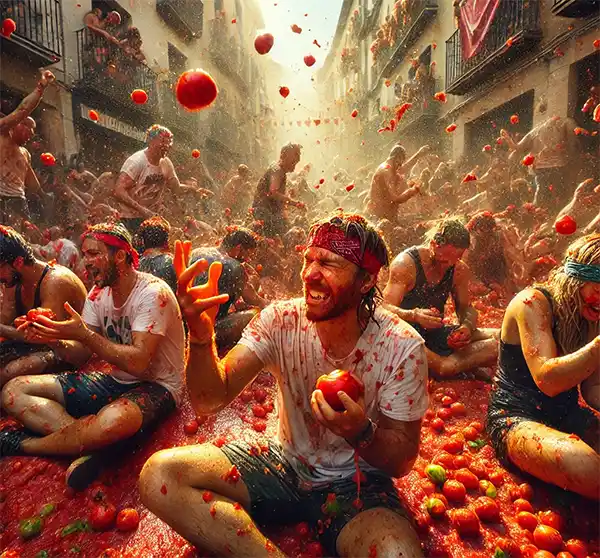
La Tomatina is an annual festival held in the town of Buñol, in Spain's Valencia region, on the last Wednesday of August. For one unforgettable hour, the narrow streets of the town become the setting for what is widely recognized as the world's largest tomato fight. Thousands of participants gleefully hurl ripe tomatoes at one another, creating a sea of bright red pulp that has become famous around the globe.
What began as a spontaneous local incident has grown into one of Spain's best-known festivals, attracting visitors from dozens of countries every year. Because of its popularity, attendance is now limited, and participants must purchase tickets in advance to take part in the event.
Despite the apparent chaos, La Tomatina is far from an uncontrolled free-for-all. The festival is carefully organized by local authorities, with strict safety rules, designated start and finish times, medical staff on hand, and cleanup crews ready to restore the streets once the fun is over.
The tomatoes themselves are brought into town by truck shortly before the event begins. Once the starting signal sounds, participants have exactly one hour to engage in the friendly food fight. When the final horn is heard, everyone immediately stops throwing tomatoes, and the cleanup begins almost as quickly as the battle itself.
While the tomato fight is unquestionably the main attraction, La Tomatina is much more than sixty minutes of cheerful mayhem. The day is filled with music, food, laughter, and community celebrations that bring together both locals and visitors. Restaurants, cafés, and businesses welcome the influx of guests, turning the entire town into one enormous street festival.
For many people, La Tomatina is a once-in-a-lifetime experience. For the residents of Buñol, however, it is a cherished tradition that combines local pride, tourism, and a healthy appreciation for not taking life too seriously. After all, there aren't many places where complete strangers can throw tomatoes at one another, laugh about it, and leave as friends.
How Did La Tomatina Begin?
Like many long-standing traditions, the exact origins of La Tomatina have become a little blurred over time. While there are a few different versions of the story, the one most widely accepted takes us back to the summer of 1945.
During a local parade in Buñol's town square, a group of young people decided to join the festivities. In the excitement, they accidentally bumped into one of the participants—often described as someone wearing an oversized carnival costume or giant-head figure. Tempers flared, a scuffle broke out, and someone grabbed tomatoes from a nearby vegetable stall.
Within moments, tomatoes were flying in every direction.
The unexpected food fight ended almost as quickly as it had begun, but the participants had so much fun that they returned the following year with their own supply of tomatoes to recreate the event. What started as a spontaneous prank soon became an annual tradition eagerly anticipated by the town's younger residents.
Not everyone appreciated the tomato-flinging festivities. During the 1950s, Spain's government under General Francisco Franco considered the event too disorderly and banned it several times. Determined locals continued the tradition anyway, often staging unofficial tomato fights whenever they could.
Perhaps the most memorable protest came in 1957, when residents organized a mock funeral for a tomato. Complete with a coffin, procession, and exaggerated displays of mourning, the tongue-in-cheek demonstration drew attention to the ban and highlighted just how much the community had come to cherish the unusual celebration.
Eventually, common sense—and perhaps a healthy appreciation for harmless fun—prevailed. Local authorities officially recognized La Tomatina, allowing it to continue as an organized festival. Over the following decades, word spread far beyond Spain's borders, transforming a small-town prank into one of the world's most famous festivals.
Today, what began with one flying tomato has grown into an event that attracts visitors from around the globe. It's a wonderful reminder that some of history's most beloved traditions weren't carefully planned—they simply happened because people were having fun.
From Local Prank to International Festival
For many years, La Tomatina remained a relatively local celebration enjoyed mainly by the residents of Buñol and neighboring communities. Visitors were welcome, but few people outside Spain had even heard of the festival. That began to change during the latter half of the twentieth century as newspapers, travel magazines, and television crews discovered the delightfully unusual event.
As photographs of thousands of people covered head to toe in bright red tomato pulp appeared around the world, curiosity quickly turned into international interest. Travelers began adding Buñol to their itineraries, eager to experience the world's biggest food fight for themselves.
By the 1980s and 1990s, La Tomatina had become one of Spain's most recognizable festivals. Improvements in international travel, along with television documentaries and later the internet and social media, introduced the event to millions of people who had never set foot in Spain. Images of smiling participants launching tomatoes through the air became instantly recognizable, helping transform the festival into a global phenomenon.
Today, La Tomatina attracts visitors from every corner of the world. It's not unusual to find people from North America, South America, Europe, Asia, Australia, and Africa all standing shoulder to shoulder, united by a common goal: throwing tomatoes at complete strangers in the friendliest way possible.
The festival's popularity eventually became its biggest challenge. Buñol is a charming town with a population of fewer than 10,000 residents, and its narrow streets simply couldn't accommodate the growing crowds. To ensure everyone's safety, organizers introduced a ticketing system that limits attendance to around 20,000 participants. Tickets now sell out well in advance, making a little planning almost as important as good aim.
Despite its worldwide fame, La Tomatina has never lost its local character. The people of Buñol remain at the heart of the celebration, welcoming visitors while proudly preserving a tradition that began with a single spontaneous prank nearly eighty years ago.
What started with one tomato tossed in frustration has become one of the world's most photographed festivals—a reminder that sometimes the simplest ideas are the ones that leave the biggest impression. Or, in this case, the biggest stain.
The Official Rules (expand slightly)
Despite appearances, La Tomatina isn't a chaotic free-for-all where anything goes. The festival is carefully organized to ensure that everyone has a great time while staying as safe as possible. Participants are expected to follow a handful of simple rules, and surprisingly, they're taken quite seriously.
- Squash Before You Throw
The golden rule of La Tomatina is to crush each tomato before throwing it. A ripe tomato quickly turns into harmless pulp, while a firm one can be surprisingly painful. A quick squeeze helps keep the festival fun rather than uncomfortable. - Tomatoes Only
It may sound obvious, but only tomatoes are allowed. Water balloons, bottles, rocks, fruit, vegetables, and anything else that could cause injury are strictly prohibited. This is one food fight where tomatoes are the only acceptable ammunition. - Respect Your Fellow Participants
Everyone is there to enjoy themselves. Fighting, shoving, or intentionally hurting others has no place at La Tomatina. Friendly laughter is encouraged—actual arguments are not. - Don't Rip Clothing
Years ago, ripped shirts became something of an unofficial tradition, but it often led to injuries and damaged clothing. Today, tearing another participant's clothing is against the rules. Besides, your clothes will probably never recover from the tomatoes anyway. - Pay Attention to the Horn
The festival begins with the blast of a horn, and another horn sounds exactly one hour later to signal the end of the tomato fight. Once the second horn sounds, everyone must immediately stop throwing tomatoes—even if you've been saving the perfect throw. - Give the Trucks Room
Several trucks drive slowly through the crowded streets delivering fresh tomatoes throughout the event. Participants are expected to move aside and allow the vehicles to pass safely. Trying to climb onto the trucks or block their path is strictly forbidden. - Dress for the Occasion
This isn't an official rule, but it's excellent advice. Wear old clothes that you don't mind throwing away, sturdy closed-toe shoes with good grip, and protective goggles if you value seeing where the next tomato is coming from. White clothing is especially popular because it provides a dramatic "before and after" photo.
Most Important of All...
- Have fun
La Tomatina has survived for generations because it remains a good-natured celebration rather than a competition. There are no winners, no losers, and no prizes waiting at the finish line. The only real goal is to laugh, make memories, and leave looking like you've spent an hour wrestling a giant bowl of salsa.

Tips for First-Time Tomato Warriors
If La Tomatina is on your travel bucket list, a little preparation can make the difference between having the time of your life and spending the afternoon wondering where your shoes disappeared. Here are a few tips from those who have survived—and happily returned for more.
- Wear Clothes You Can Say Goodbye To: That favorite designer shirt? Leave it at home. Tomato juice has an impressive ability to find every fiber in your clothing, and while many people manage to wash everything clean, there's no guarantee. Wear old clothes that you won't mind donating to history if necessary.
- Closed-Toe Shoes Are Your Friends: Flip-flops and sandals might seem comfortable in the Spanish summer, but they're a poor choice once the streets are covered in slippery tomato pulp. Wear sturdy, closed-toe shoes with good grip. You'll thank yourself after the hundredth squashed tomato.
- Goggles Aren't Just for Scientists: Tomato juice contains natural acids that can sting if they get into your eyes. A cheap pair of swimming or safety goggles may not make you look glamorous, but you'll spend far less time blinking and far more time enjoying yourself.
- Travel Light: Leave valuables at your hotel whenever possible. Phones, wallets, passports, jewelry, and expensive cameras don't mix well with thousands of enthusiastic tomato throwers. If you must carry something, use a waterproof pouch that can be securely fastened.
- Arrive Early: Buñol fills with visitors long before the first tomato is thrown. Arriving early gives you time to explore the town, enjoy breakfast, soak up the atmosphere, and find a good place to begin the festivities before the streets become packed.
- Stay Hydrated: Late August in eastern Spain can be hot. Between the sunshine, the crowds, and an hour of energetic tomato tossing, it's easy to become dehydrated. Drink plenty of water before and after the event.
- Be Ready to Laugh at Yourself: No matter how carefully you plan, you'll almost certainly end up wearing more tomato than you throw. That's part of the experience. By the end of the hour, everyone looks equally ridiculous, and that's one of the reasons the festival is so much fun.
- Don't Try to Win: Here's a little secret: there isn't a winner. Nobody counts how many tomatoes they throw, and no judge awards points for accuracy. La Tomatina isn't about defeating an opponent—it's about sharing an unforgettable experience with thousands of complete strangers who are just as happy to be there as you are.
- Bring Your Sense of Humor: More than anything else, pack a good attitude. You'll get splattered by people you've never met, you'll probably slip at least once, and you'll discover tomato pulp in places you didn't know existed. If you can laugh through it all, you'll understand why so many visitors return year after year.
By the time the final horn sounds, you'll be tired, sticky, and wondering how one small Spanish town managed to convince thousands of adults that getting pelted with tomatoes is the perfect way to spend an afternoon. Then you'll wash off, smile, and probably start thinking about coming back next year.
Interesting Facts About La Tomatina
Think you've heard everything there is to know about the world's biggest tomato fight? Think again. Behind the flying tomatoes and cheerful chaos are plenty of surprising details, quirky traditions, and little-known facts that make La Tomatina even more fascinating. Here are a few juicy tidbits you can share—preferably after you've washed the tomato pulp out of your ears.
- It Lasts Exactly One Hour
The tomato fight may feel like complete chaos, but it's surprisingly well organized. Once the starting horn sounds, participants have exactly one hour to throw as many tomatoes as they can. When the second horn blasts, everyone stops immediately—no "just one more" throws allowed. - More Than 100 Tons of Tomatoes
Each year, roughly 120 to 150 metric tons of tomatoes are delivered to Buñol by truck. That's enough tomatoes to fill several large swimming pools—or make an absolutely ridiculous amount of ketchup. - Buñol Becomes One Very Crowded Town
Buñol has a permanent population of fewer than 10,000 residents, yet during La Tomatina the town welcomes around 20,000 participants from around the world. For one day each year, visitors outnumber the locals by a wide margin. - White Shirts Are Everywhere
Many participants intentionally wear plain white T-shirts. By the end of the festival, every shirt has become a one-of-a-kind work of tomato art, making for some unforgettable before-and-after photographs. - The Tomatoes Aren't Imported from Italy
Despite the temptation to make pasta jokes, the tomatoes used for La Tomatina are sourced from within Spain. They're inexpensive, overripe varieties that aren't intended for supermarket shelves, making them perfect for spectacular splats. - The Streets End Up Surprisingly Clean
After the final horn, fire trucks and local residents quickly begin washing away the tomato pulp. The natural acidity of the tomatoes helps loosen dirt from the cobblestones, and within a surprisingly short time, the streets are often cleaner than they were before the festival began. - It's One of Spain's Most Famous Festivals
Spain is known for spectacular celebrations, including the Running of the Bulls, Las Fallas, and Semana Santa processions. Yet La Tomatina has earned its place among the country's most recognizable events, attracting visitors from every continent. - It Has Inspired Copycat Festivals
La Tomatina's popularity has inspired tomato fights and similar food festivals in several countries, including Colombia, Costa Rica, India, China, and the United States. While many are great fun, the original celebration in Buñol remains the one that started it all. - You Need a Ticket
Years ago, anyone could simply show up and join the fun. Today, attendance is limited for safety reasons, and tickets usually sell out well before festival day. If you're planning to go, waiting until the last minute is about as wise as wearing a tuxedo to the tomato fight. - There Are No Winners
Unlike most competitions, La Tomatina has no trophies, medals, or championship titles. Everyone gets covered in tomatoes, everyone laughs, and everyone leaves equally messy. That's about as fair as any sporting event could hope to be. - Tomatoes Bring the World Together
On festival day, language barriers seem to disappear beneath layers of tomato pulp. Visitors from dozens of countries laugh together, pose for photographs, and share an experience unlike any other. It proves that sometimes the simplest ideas—even throwing tomatoes at complete strangers—can create the strongest memories.
Why La Tomatina Still Matters Today
At first glance, La Tomatina might seem like nothing more than an excuse for thousands of people to throw tomatoes at one another. Look a little closer, however, and you'll find that the festival represents something much more meaningful than an hour of cheerful chaos.
La Tomatina is a celebration of community. Every year, the people of Buñol open their town to visitors from around the world, welcoming them to take part in a tradition that has become part of the town's identity. For one day, differences in nationality, language, age, and background are set aside as everyone joins in the same delightfully messy experience.
The festival also reminds us that not every celebration has to commemorate a historic victory, honor a famous person, or raise awareness for a serious cause. Sometimes, the simple act of laughing together is reason enough to celebrate. In a world that often feels rushed and stressful, spending an hour doing something completely ridiculous can be surprisingly refreshing.
La Tomatina also plays an important role in Buñol's economy. The annual influx of visitors supports local hotels, restaurants, cafés, shops, and businesses, providing a welcome boost that extends well beyond the festival itself. What began as a spontaneous prank has become one of the town's most valuable tourist attractions.
Over the years, the event has evolved to reflect changing attitudes about safety and sustainability. Attendance is carefully managed, the tomatoes used are not premium supermarket produce, and organizers work hard to ensure the festival remains enjoyable while minimizing its environmental impact. The result is a celebration that honors tradition while adapting to modern expectations.
Perhaps most importantly, La Tomatina reminds us not to take life too seriously. Every participant finishes the day looking equally ridiculous, covered from head to toe in tomato pulp. There are no winners, no losers, and no one leaves with perfectly clean clothes—but almost everyone leaves with a smile.
In the end, that's why La Tomatina continues to capture the world's imagination. It's proof that one unexpected moment in a small Spanish town can grow into a tradition that brings laughter, friendship, and unforgettable memories to people from every corner of the globe. Sometimes, the messiest celebrations are the ones that leave the brightest memories.

La Tomatina FAQ
Whether you're planning a trip to Spain or simply wondering why thousands of people willingly spend an hour getting pelted with tomatoes, you're not alone. Here are answers to some of the most common questions about La Tomatina and the famous festival that turns the streets of Buñol bright red every August.
When is La Tomatina held?
La Tomatina takes place on the last Wednesday of August each year in the town of Buñol, near Valencia, Spain.
Why do people throw tomatoes?
The festival began after a spontaneous tomato fight during a local celebration in 1945. What started as an impromptu prank gradually evolved into an annual tradition and is now one of Spain's best-known festivals.
Do I need a ticket to participate?
Yes. Because of the festival's enormous popularity, attendance is limited to around 20,000 participants. Tickets must be purchased in advance and often sell out well before the event.
Are the tomatoes safe to throw?
Yes. Participants are required to squash each tomato before throwing it, making it much softer and reducing the risk of injury. The tomatoes are also overripe, which helps them burst on impact.
Are good tomatoes being wasted?
No. The tomatoes used for La Tomatina are inexpensive, overripe, and generally unsuitable for sale in supermarkets. They are purchased specifically for the festival and are not the premium-quality tomatoes you would normally buy for cooking.
How long does the tomato fight last?
The main event lasts exactly one hour. A horn signals the beginning of the fight, and a second horn marks the end. Once the final horn sounds, everyone must stop throwing tomatoes immediately.
What should I wear?
Wear old clothes that you don't mind getting stained, sturdy closed-toe shoes with good grip, and protective goggles if possible. Most participants expect to get completely covered in tomato pulp.
What happens after the festival?
Once the tomato fight ends, participants wash off using public showers or hoses provided by local residents. Cleanup crews quickly clear the streets, and many visitors continue the celebration by enjoying local food, music, and the festive atmosphere around Buñol.
Can children take part?
Children may attend under specific conditions, but the main tomato fight is designed for adults and older participants. Families planning to attend should check the current festival rules and age requirements before purchasing tickets.
Why is La Tomatina so popular?
La Tomatina combines history, tradition, humor, and a sense of community into one unforgettable event. It gives people from around the world a chance to share a unique experience, proving that sometimes the simplest ideas create the best memories.
A Final Hurl
Whether you travel to Buñol to cross an item off your bucket list or simply enjoy reading about one of the world's most unusual festivals, La Tomatina proves that celebrations don't always have to be serious to become legendary. What began as a spontaneous food fight between a handful of local youngsters has grown into an international tradition that attracts visitors from every corner of the globe.
For one glorious hour each August, business suits, job titles, nationalities, and everyday worries disappear beneath a shower of squashed tomatoes. Strangers laugh together, friendships are made, and everyone finishes looking equally ridiculous—a rare achievement in today's world.
So, if you ever find yourself in Spain on the last Wednesday of August, grab an old shirt, lace up a sturdy pair of shoes, remember to squash before you throw... and don't be surprised if the happiest memory you bring home is one that needs a really good wash.
🍅 Sometimes, life is simply better with a little tomato on it.